







Tree Protection Fencing
Tree protection fencing keeps plant, materials and site traffic away from retained trees and their roots on development and construction projects. HERMEQ supplies three systems, all built from temporary mesh fencing panels. The scaffold tube system is the most heavy duty option and goes up quickly on site. The timber post system carries the panels on wooden posts set into the ground and is a cost effective fixed line. The mesh and stabiliser system is the lightest of the three and is used mostly on smaller projects.
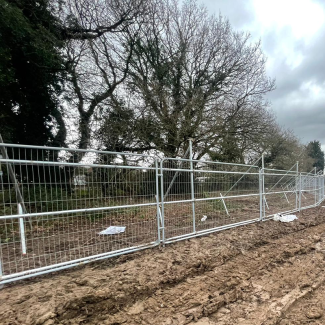
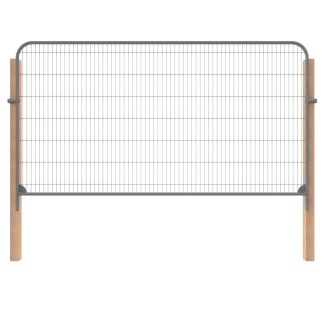
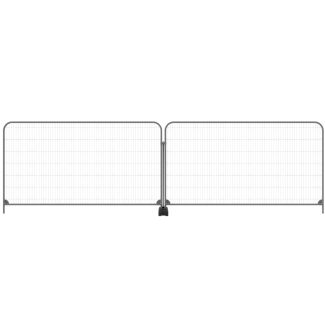
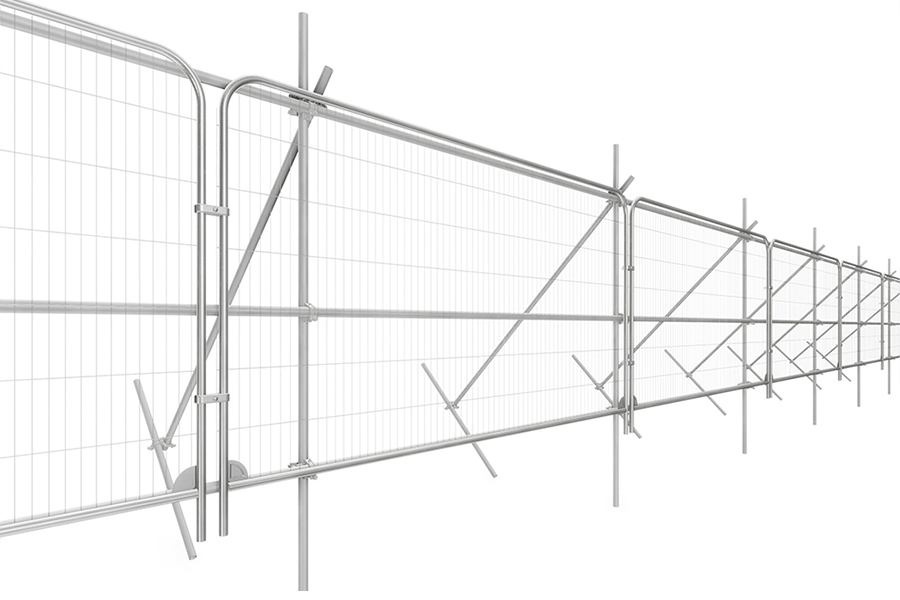
Scaffold tube, timber post and freestanding tree protection fencing
What separates the three systems is how each holds the mesh panels up: a braced frame of scaffold tube, timber posts set in the ground, or feet and stabilisers that let the run stand free. All three use the same Heras fencing panels, so the choice comes down to the ground, the length of the programme and how close the trees sit to plant and vehicles.
Scaffold tube tree protection fencing
Scaffold tube tree protection fencing is the most rigid of the three, because every panel is braced against a frame of tubes and couplers. Choose it for long programmes and for trees beside haul roads, plant routes, compounds and site entrances, where the fence is most likely to be knocked by machines or leaned on by loads.
Timber post tree protection fencing
Timber post tree protection fencing suits soft landscape such as grass, verges, gardens and open ground, where posts can be driven or dug in on the fence line without meeting hard surfaces or buried services. Choose it where the line is settled and will not need to move before landscaping, and where the fence is away from the busiest plant routes.
Mesh and stabiliser tree protection fencing
Mesh and stabiliser tree protection fencing stands on rubber feet, with clips and stabilisers bracing the run and ground pins holding it where the ground takes them. Choose it for short jobs, for trees beside hardstanding, footpaths and car parks where posts cannot go in, and for fence lines that have to move as the phases of a development change.
Tree protection on development sites, road schemes and streets
Where the trees stand decides whether the protection is temporary fencing for the length of the works or a permanent street fitting.
Housing and development sites
On housing and commercial developments, retained trees are normally covered by a tree protection plan, prepared by an arborist and submitted with the planning application or required by a condition of the permission. The plan marks each tree to be kept, the root protection area around it and the line of the fence, and the local authority can ask to see the fencing in place before works begin.
Roads, civils and hedgerows
Road schemes and civils work bring long runs of fencing beside retained hedgerows, scrub and tree lines, usually along the edge of the land made available for the works. On national road schemes the reference is Transport Infrastructure Ireland's guidelines for the protection and preservation of trees, hedgerows and scrub, and the scheme's landscape and environmental drawings show which vegetation is retained and where it is fenced off.
Street trees in towns and car parks
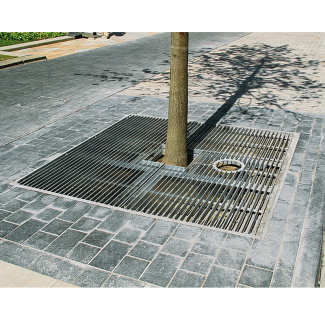
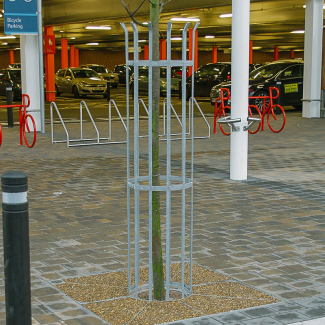
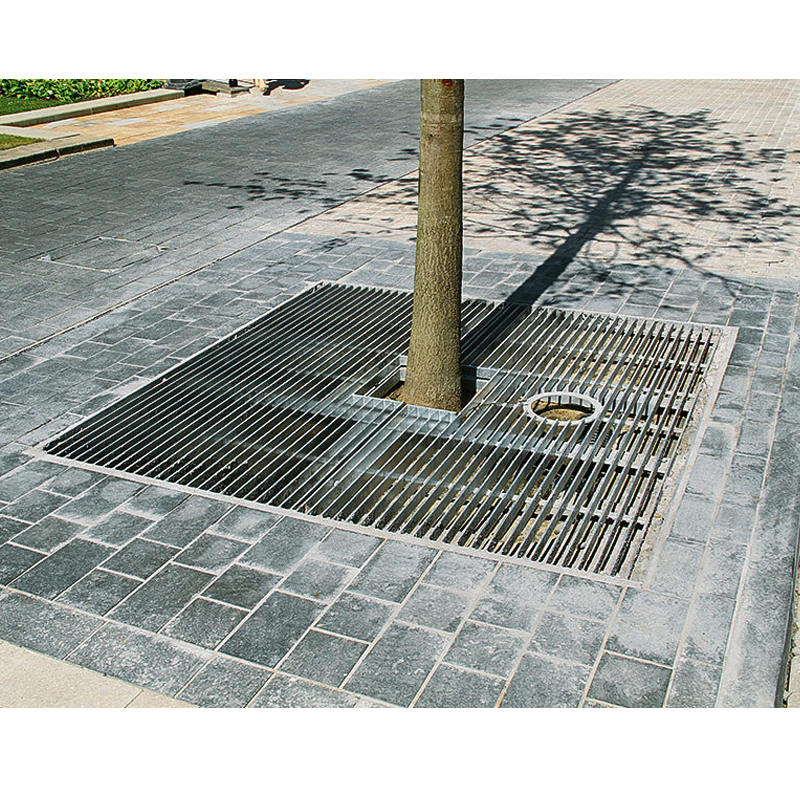
A tree set in a footpath, a town centre or a car park needs a metal tree guard or mesh tree protector that stays in place. Temporary fencing is built to come down at the end of a job, so these trees take permanent public realm steelwork. Galvanised and powder coated tree grilles sit over the root area level with the footpath, and their open grating lets water reach the roots while keeping people from tripping on them. Galvanised metal tree guards bolt to the grille or stand alone around the trunk to keep pedestrians and vehicles off the bark.
Setting out a tree protection zone fence
Fence line and the root protection area
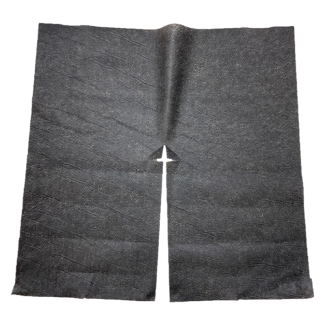
The fence follows the line drawn on the arborist's tree protection plan, which runs along the outer edge of each root protection area worked out for the trees on site. Set every post, pin and scaffold tube on that line or outside it, and never dig or drive a fixing inside the zone, because that cuts the roots the fence is there to protect.
Measuring the run
Measure the fence line itself, walked on site or scaled from the plan, and not the spread of the canopy, which is a different line from the edge of the root protection area. Enter the total run in the length calculator on the product page, which gives the component breakdown for that system.
Exclusion zone signs and fixings
Each enclosure is marked as a construction exclusion zone, with signs fixed along the run and at every point where people or plant approach it. The clips and fixings for the run are in the temporary fencing accessories range.
Popular Categories

Site Hoarding
View Products >

Heras Fencing
View Products >

Site Gates
View Products >
Frequently Asked Questions
Tree protection fencing goes up before any site clearance, demolition or topsoil stripping, and before plant and materials arrive on site. It stays in place until the works near the trees are finished, which on most developments means the landscaping stage.
Nothing that compacts, cuts or poisons the roots goes inside the fence. That rules out plant tracking or parking, stored materials and spoil, fuel, oil and chemicals, cement mixing and washing out, and fires near enough for heat to reach the canopy.
It can be moved where the tree protection plan allows, usually as one phase of a development finishes and the next opens, and only with the agreement of the project arborist. The new line still sits at or beyond the edge of the root protection area. Where works have to come inside that edge, the plan normally calls for ground protection over the roots in place of the fence.
Tree protection fencing is checked as part of the regular site inspection, and again after high winds, deliveries or plant movements close to the line. The check covers gaps between panels, loose clips and couplers, displaced feet or stabilisers, missing signs and any materials or vehicles inside the zone.
The fencing comes down only when the tree protection plan allows, normally once heavy works and plant movements near the trees are finished. Panels, feet and fixings go back into stillages for the next job, and any post holes in soft ground are backfilled with topsoil.