







Storage Tanks
HERMEQ supplies storage tanks for water, heating oil, diesel, HVO fuel, AdBlue, lube oil, waste oil, brine and molasses, in rotationally moulded plastic and in mild or galvanised steel. Capacities run from 900 litres for a domestic heating oil tank to 100,000 litres for a steel diesel tank, for domestic, commercial, agricultural and industrial settings.
The range covers potable and non-potable water tanks above and below ground, insulated tanks for exposed sites, bunded, single skin and fire protected oil tanks, and diesel and AdBlue tanks with pumps, meters and gauges for dispensing on site.
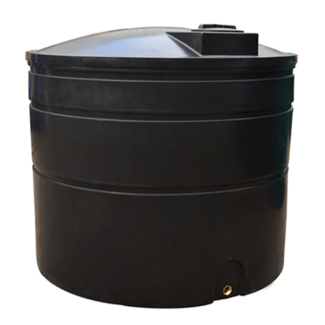
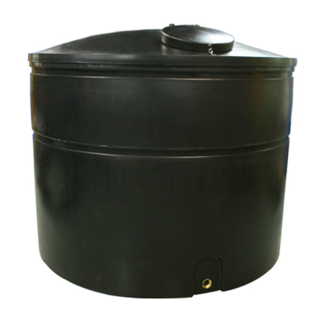
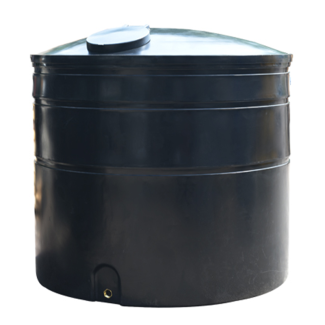
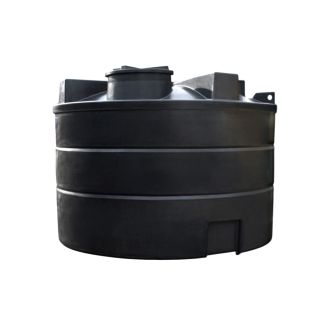
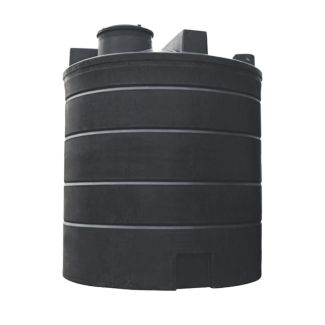
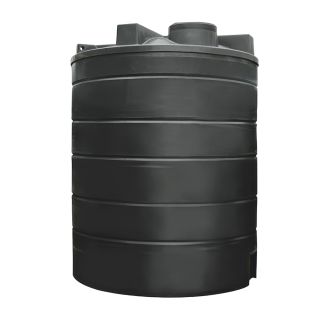
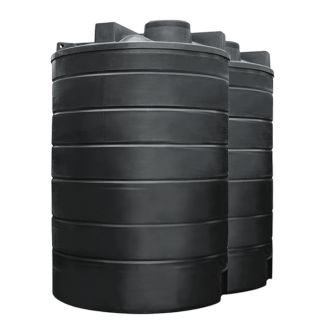
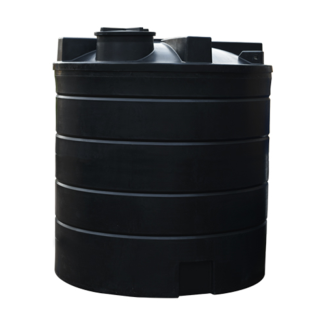
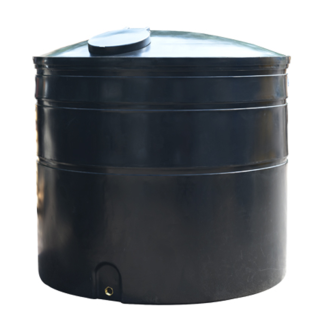
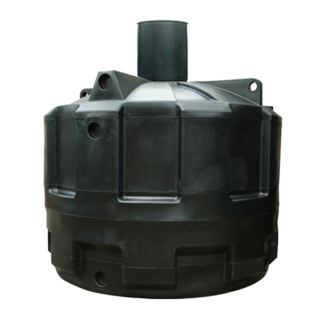
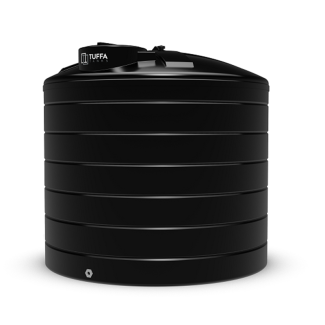
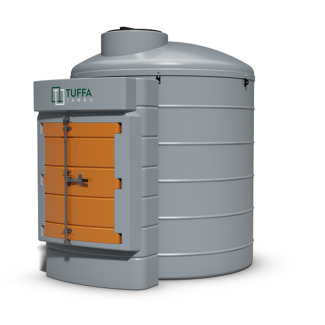
Water storage tanks
Choose a water tank first by where it will stand, above ground, below ground or somewhere exposed, and then by whether the water is for drinking. Bowsers and water pumps are in the water storage range.
Above ground water tanks
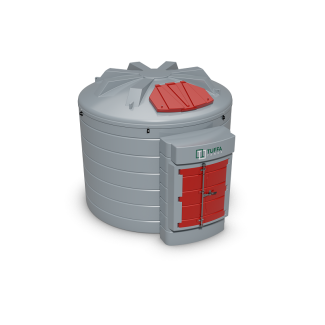
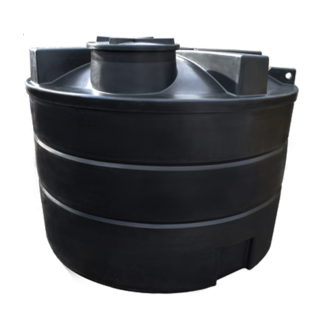
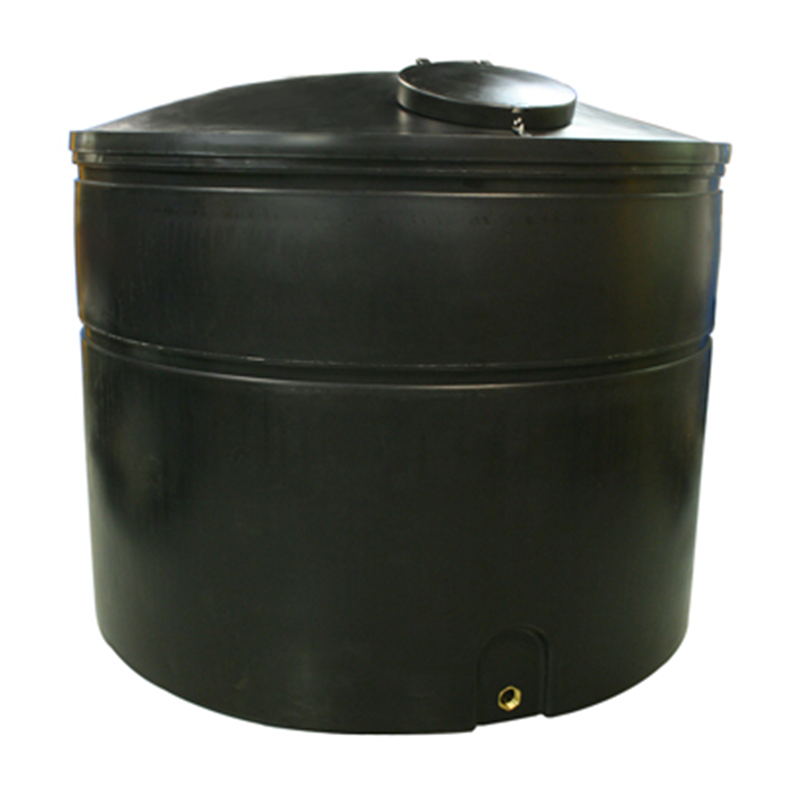
Rotationally moulded plastic water tanks for above ground use run up to 25,000 litres, each size in a potable or a non-potable version, for houses, farms, commercial premises and industrial units. A medium-sized above ground water tank suits a single building or a yard washdown point and can stand indoors or out. Farms, horticulture and irrigation schemes that need a larger reserve between refills move up to a 10,000 litre water tank or one of the larger sizes built for agricultural, industrial and irrigation supply. Water that has to travel with a crew belongs in road legal portable water tanks.
WRAS approved potable water tanks
These tanks are moulded from WRAS approved MDPE to the Water Regulations Advisory Scheme, with UV stabilisation for outdoor and industrial settings. Choose WRAS approved potable water tanks for a commercial or agricultural drinking water supply where the specification or the client asks for a tank with that approval.
Industrial water tanks
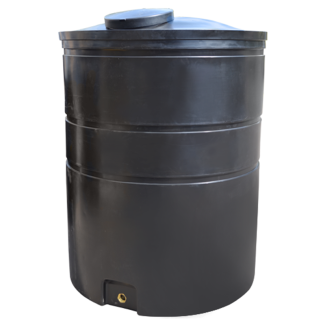
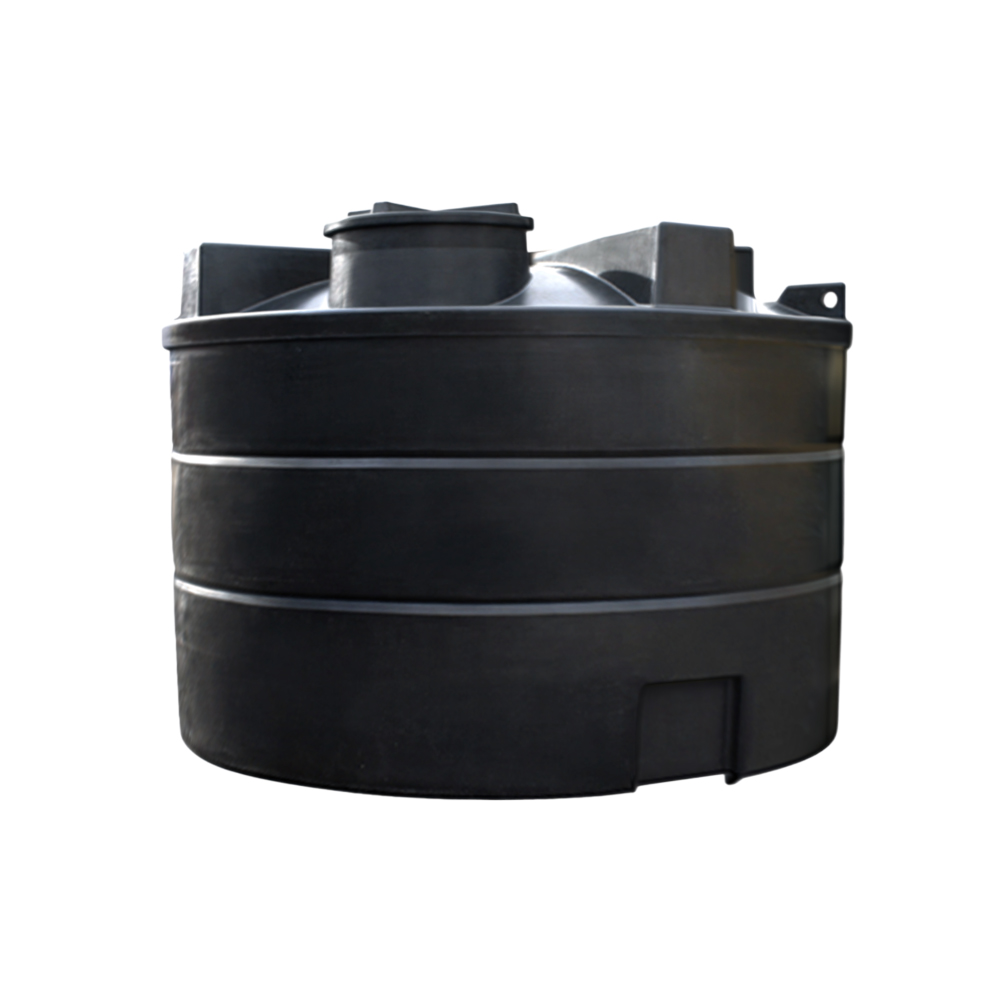
The industrial water tanks are non-potable and frost-proof, so they stand outside through the winter without cracking, and their opaque plastic cuts algae growth in sunlight. They are the outdoor tank for bulk process water, washdown water and rainwater on commercial and agricultural sites.
Underground water tanks
Where a yard, a car park or a garden cannot give up room for a tank, underground water tanks store potable water below ground for domestic, commercial and agricultural use.
Insulated water tanks
Double-wall insulated water tanks have multilayer foil insulation built into the wall, so no separate insulation kit is needed, and they come potable or non-potable. Choose them for exposed sites, unheated buildings and outdoor installations where the water needs protection from hard frost in winter and heat in summer, and as an alternative to an insulated GRP tank.
Potable and non-potable water tanks
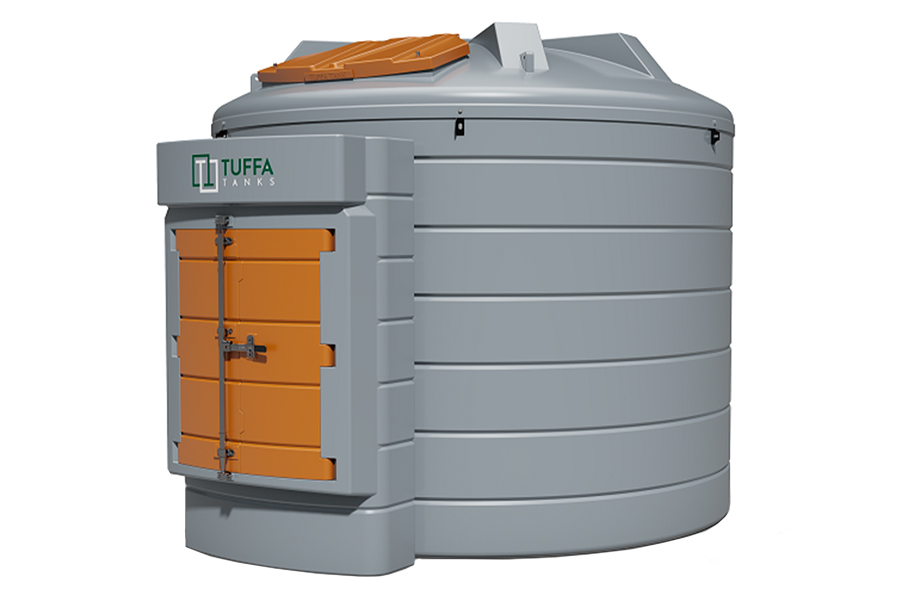
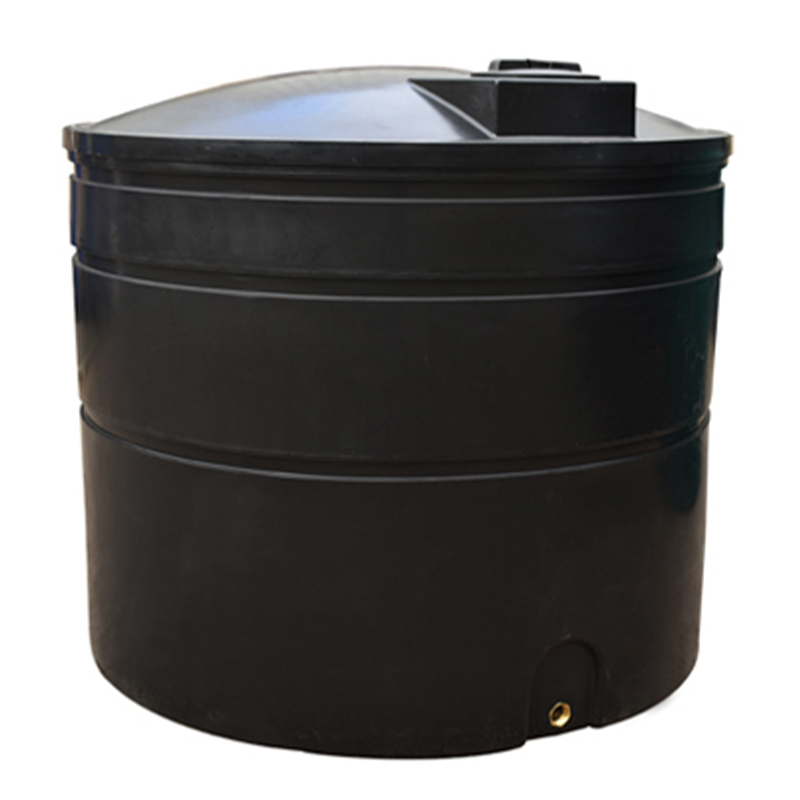
A potable tank is moulded from material approved for contact with drinking water, so it is the tank for drinking water and food preparation. Non-potable tanks hold rainwater, washdown water, irrigation water and process water. Once a tank has stored non-potable water it cannot be brought into drinking water service, so where a supply might be used for drinking later, buy the potable version from the start. Every above ground size and the insulated tanks come in a potable version, the underground tanks are potable only, and the WRAS approved tanks add that approval where a specification calls for it. The industrial water tanks are non-potable only, for rainwater, washdown and process water.
Bunded and single skin oil tanks
Secondary containment, or bunding, is an outer tank around the inner one that holds the oil if the inner tank leaks or is overfilled, and the choice between the three heating oil tanks below turns on how much a leak would cost and how near the tank stands to a building.
Bunded oil tanks
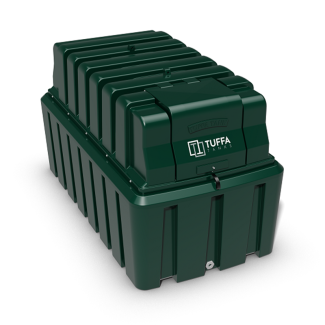
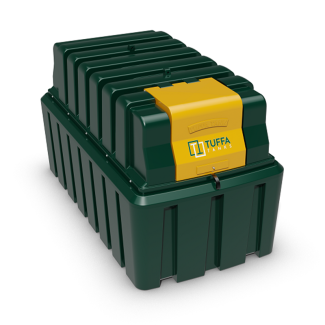
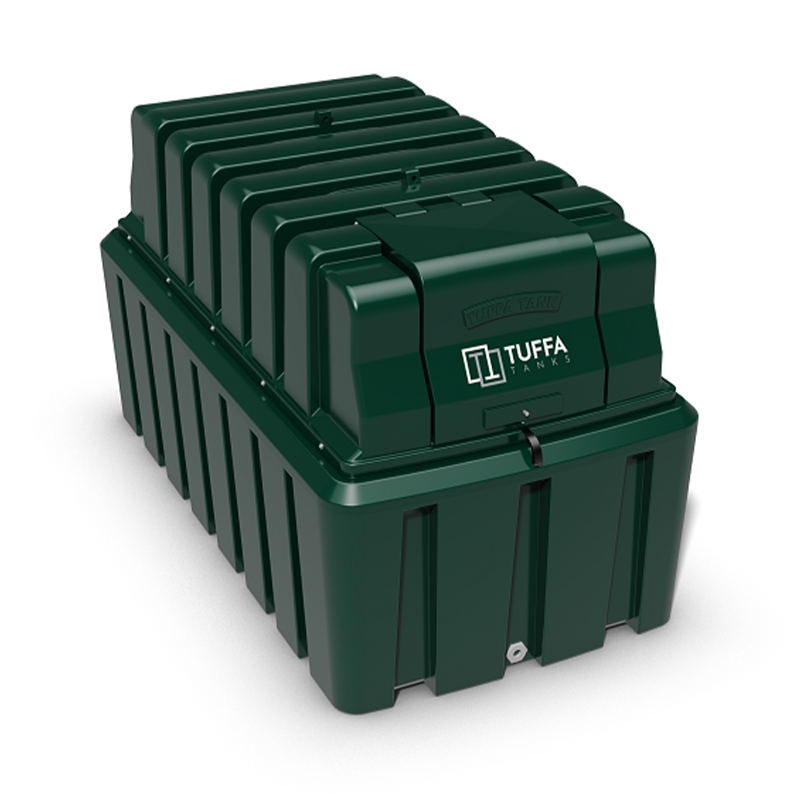
Bunded oil tanks are the heating oil tank for commercial premises, farms and homes, and the one to choose wherever spilled oil could reach a drain, a watercourse, a well or open ground. They come in mild steel or UV stabilised plastic in sizes up to 15,000 litres.
Single skin oil tanks
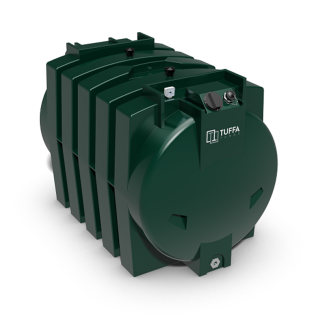
Single skin oil tanks are the economical heating oil tank for domestic premises, made in mild steel or rotationally moulded MDPE. They are the right buy where the site already has its own containment, such as a bund wall or a bunded enclosure built around the tank.
Fire protected oil tanks
A tank that has to stand close to a house, an outbuilding or a boundary needs protection from a fire nearby, and fire protected oil tanks come in steel or plastic, with flame-retardant material fitted into the tank to act as a barrier. They are bunded as well, so one tank answers both the fire risk and the risk of a leak.
Fuel storage tanks for diesel, HVO and AdBlue
Diesel tanks are chosen by capacity and by whether the tank stays in one place, and every plastic and steel diesel tank in the range is listed for diesel, HVO fuel and HVO blends, so a fleet changing fuel can keep the tank it has.
Plastic diesel tanks
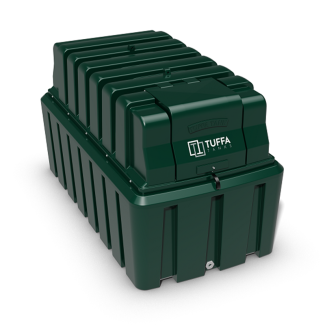
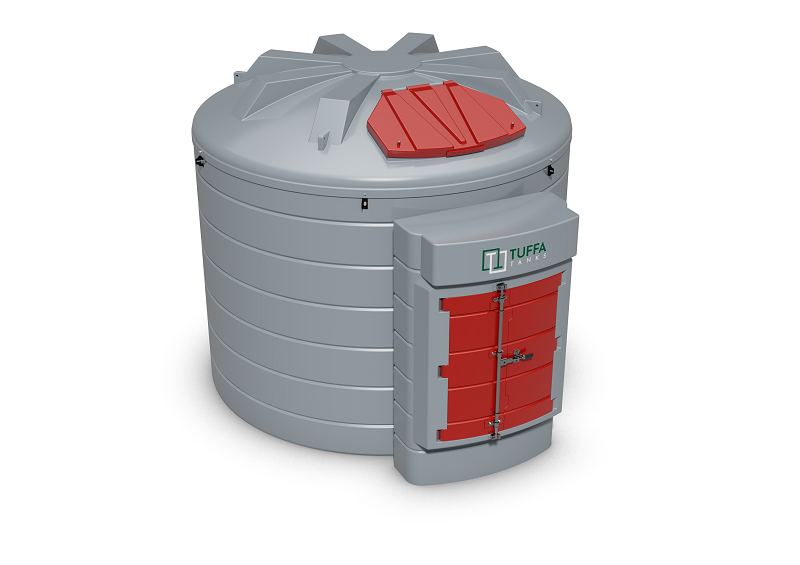
For most construction sites, farms, quarries and plant yards, plastic diesel tanks are the practical choice: bunded, UV stabilised polyethylene that does not corrode, in sizes up to 30,000 litres.
Steel diesel tanks
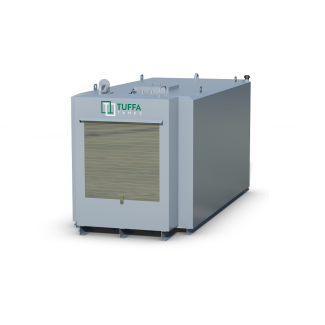
Hand-fabricated in mild steel and integrally bunded, steel diesel tanks run from 5,000 to 100,000 litres for power generation, large construction projects, depots and agricultural and commercial fuel stores. Choose steel where a generator needs a large reserve, where the site needs a fuel station with high flow pumps and hose reels, or where the capacity goes beyond the plastic range.
Galvanised bunded fuel tanks
The galvanised bunded fuel tank is a self-bunded, double-skinned tank with a removable inner tank and full edge protection, built to lock and to lift by crane or forklift. It is the tank for fuel that moves with the work from one job or compound to the next, and it is also listed for waste oil and chemicals. Drummed chemicals and other hazardous liquids belong in chemical and hazardous substance storage.
AdBlue dispensing tanks
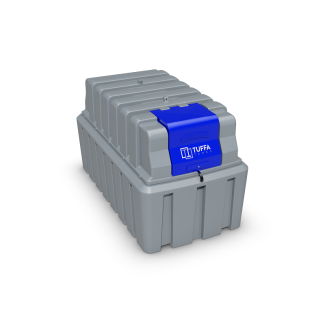
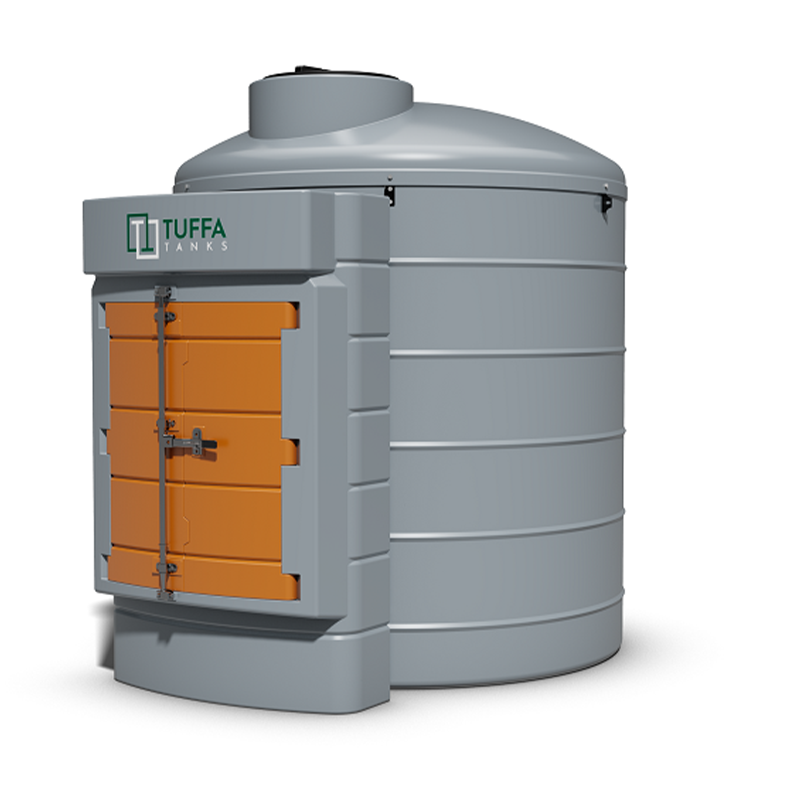
AdBlue tanks store and dispense AdBlue for refilling vehicles on site, in UV stabilised HDPE that keeps the fluid stable and extends its usable life, in sizes up to 15,000 litres. AdBlue is easily contaminated, and a contaminated fill can damage a vehicle's exhaust treatment system, so it needs its own tank and pump and never goes through a diesel tank or equipment that has handled fuel.
Lube oil, waste oil, brine and molasses tanks
Lube oil tanks
Lube oil tanks store and dispense engine, gear, machine, spindle and refrigeration oils in workshops, plant depots and fleet garages, in sizes up to 10,000 litres. Each tank is matched to an air operated or electric pump for the viscosity of the oil: air pumps suit workshops that already run compressed air, and electric pumps suit those that do not.
Waste oil tanks
Waste oil tanks hold drained engine and gear oil at garages, haulage yards and bus depots until a permitted waste collector takes it away. They are bunded against leaks and overfilling and made from recycled polyethylene.
Brine tanks
Brine, a solution of salt and water, is heavier than water, so the same volume puts more load on the tank wall, and brine tanks are moulded with extra thick MDPE walls to carry it. Brine for winter road treatment or any other use goes in a brine tank, never in a tank built for water.
Molasses tanks
Molasses, the by-product of refining sugar beet, is fed to livestock as a source of fermentable energy, and it keeps best in the dark and cool, which limits mould and stops it thickening. Molasses tanks are CE marked and made from UV stabilised, corrosion-resistant polymer, in sizes up to 20,000 litres.
Rainwater harvesting tanks
A rainwater harvesting system on a house, farm, commercial or industrial roof uses a non-potable tank: a non-potable above ground water tank for most buildings, and an industrial water tank where the store stands outdoors all year.
Fit a filter on the inlet to keep leaves and grit out, and an overflow piped to a drain or soakaway for when the tank is full. Size the tank from the roof area feeding it and the volume drawn each week for washdown, irrigation, toilet flushing or livestock, so that it fills in wet weeks and carries the site through dry ones.
Tank materials, siting and fittings
Plastic and steel tanks
Most tanks in the range are rotationally moulded in one piece from MDPE, or from HDPE for AdBlue, which does not rust, is UV stabilised for outdoor use and suits water, heating oil, diesel, brine and molasses. Mild steel is used for heating oil tanks and for the largest diesel tanks, where hand fabrication reaches capacities and fittings beyond a moulded tank.
Outlets, pumps and gauges
The smaller above ground water tanks and the WRAS approved tanks come with a choice of BSP outlet size, and the larger outlet fills bowsers, troughs and pumps faster. Oil and diesel tanks can be ordered with a top or bottom outlet, a Watchman contents gauge and pumps that run from a vehicle battery, mains power or compressed air. For fleets and large sites, the steel tanks add high flow pumps and hose reels, and pulse meters and fuel management systems record how much fuel is drawn and by whom.
Popular Categories

Stillages, Bins & Cages
View Products >

IBC Containers & Steel Drums
View Products >

Wire Mesh Pallet Cages
View Products >
Frequently Asked Questions
Can petrol be kept in a fuel storage tank?
Petrol is far more flammable than diesel and goes only into a tank listed for it. In this range that is the galvanised bunded fuel tank, which is listed for petrol as well as diesel, waste oil and chemicals. The plastic and steel diesel tanks and the heating oil tanks are not listed for petrol.
What base does a storage tank need?
An above ground tank needs a flat, level, load-bearing base that supports the whole of its underside and extends beyond its footprint, such as a concrete slab or paving on a compacted bed. A full tank weighs many times more than an empty one, and stones, gaps or a slope under it put point loads on the wall. An underground tank is bedded and backfilled to the instructions supplied with it.
How often should a water storage tank be cleaned?
Inspect a drinking water tank at least once a year for sediment, algae and damage to the lid or fittings, and clean and disinfect it whenever the inspection finds any of them or the water may have been contaminated. A non-potable tank is cleaned when sediment builds up towards the outlet. A close-fitting lid and an opaque tank wall lengthen the interval between cleans.
What size storage tank do I need?
Work out the daily or weekly use, multiply it by the longest gap between refills or deliveries, and add a margin for delays. For diesel and heating oil, the tank should take a full delivery on top of the fuel still in it. For water, the above ground tanks come in 5,600, 6,000, 7,200, 10,000, 15,000, 20,000 and 25,000 litre sizes, each potable or non-potable, with the smallest non-potable tank holding 5,500 litres.
When is an IBC a better choice than a tank?
An IBC suits smaller volumes, short jobs and liquids that have to move by forklift, because it sits on its own pallet. A storage tank is the better choice for a fixed supply, larger volumes, and fuel or oil that needs a bunded tank with pumps and gauges. Reconditioned 1000 litre IBCs are in the drums and IBCs range.