







Grass Pavers & Gravel Grids
Grass pavers are cellular paving for pedestrians and all levels of traffic, laid where a structurally sound, well drained base is to be installed in places such as yards, car parks and access roads. Grass and gravel areas that carry heavy traffic or footfall become rutted and muddy over time.
The range stabilises and reinforces those areas and keeps a grassed or gravel finish. It covers truck paving for HGVs, coaches and forklifts, recycled plastic grass and gravel grids for driveways, paths and car parks, and grass protection mesh that lies on existing turf, so there is a grade for every vehicle from the family car to the laden lorry.
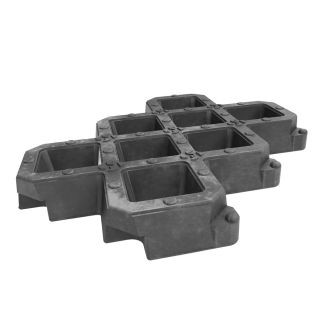
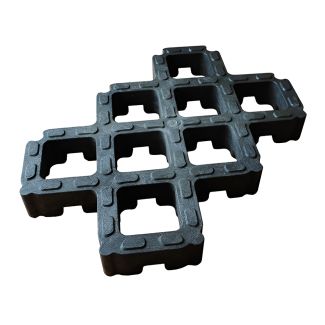

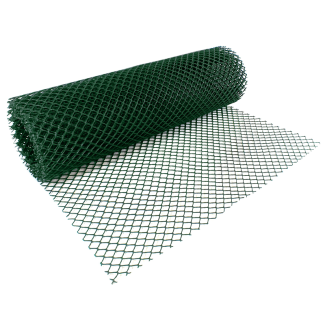
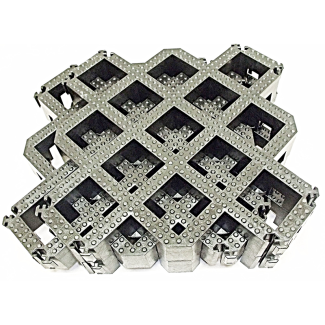
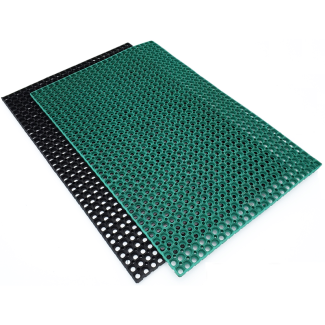

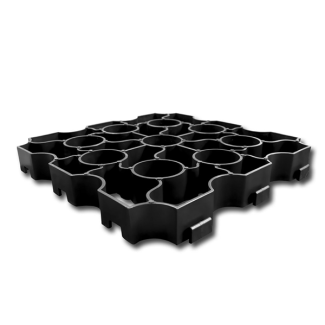
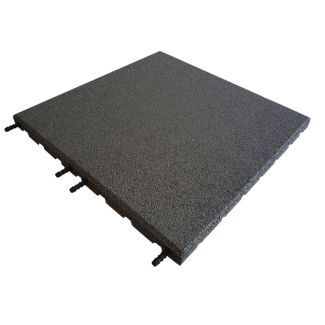
Grass pavers, gravel grids and grass protection mesh
The range divides by the traffic it carries: grass protection mesh takes light vehicles on existing grass, plastic grids take cars and vans on a built base, and truck paving takes HGVs on a built base.
Truck paving for HGV yards, coach parks and fire routes
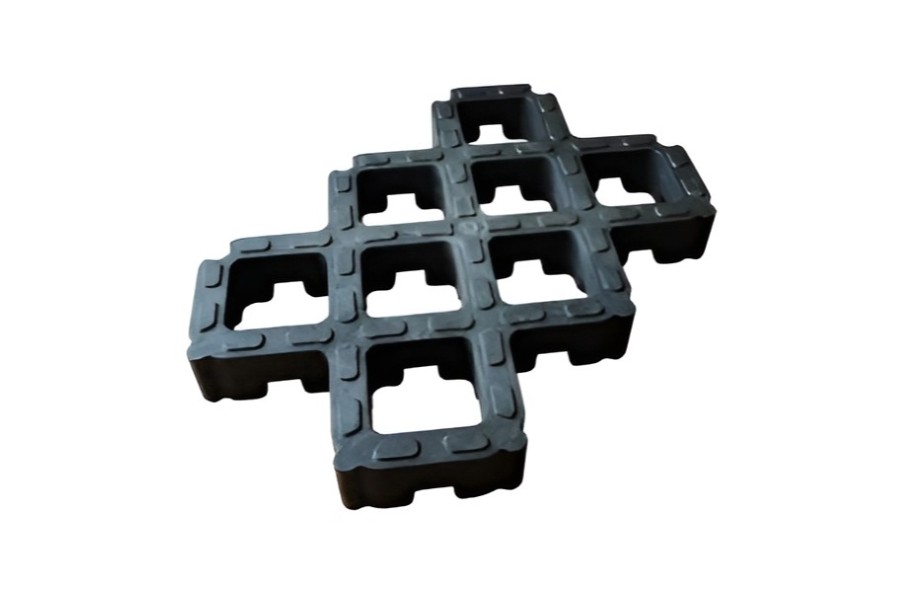
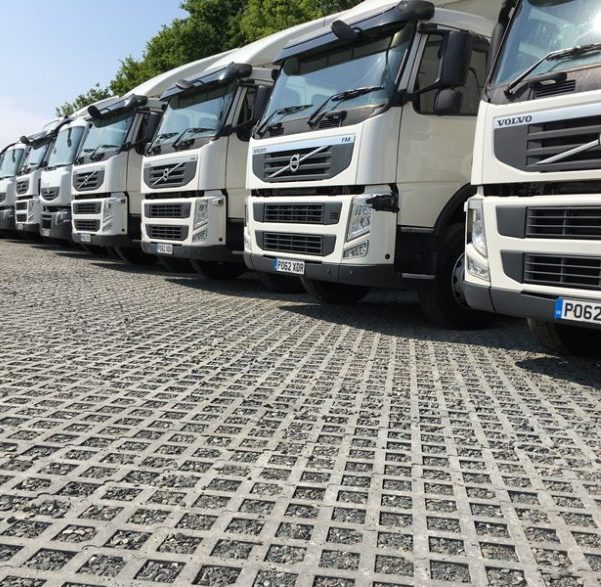
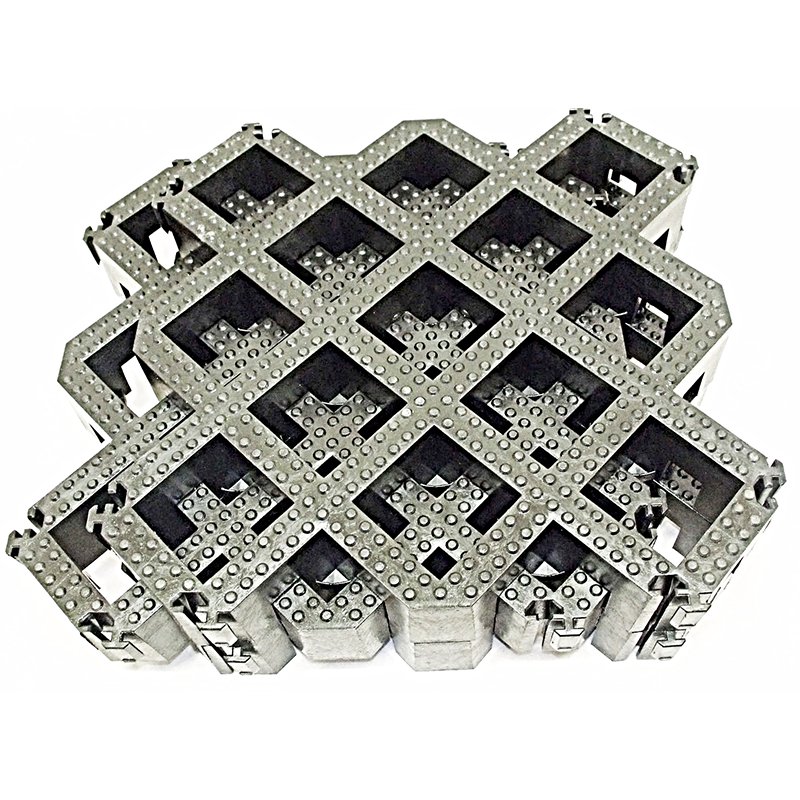
Truck paving, also known as HGV paving or heavy duty cellular paving, is an interlocking plastic cell laid over an engineered base for roads, yards and parking that take lorries, coaches, forklifts and fire appliances. Cell Pave truck paving is made from recycled PVC for construction, civils and industrial work. Pro Pave interlocking truck paving fixes each unit to its neighbours into one reinforced surface that takes a gravel or soil fill. TruckPave cellular paving is made for permanent grassed or gravel HGV access roads and coach parks, while the heavy duty interlocking paver tiles suit HGV parking where wheels brake and turn hard on the surface.
Plastic grass and gravel grids
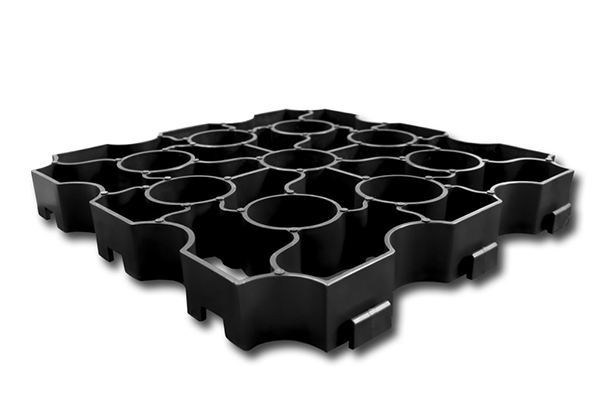
Plastic grass grids, also sold as gravel grids, ground reinforcement grids, grass paving grids or porous paving, are lighter interlocking panels for driveways, paths, car parks and access routes. The X Grid plastic grid for gravel and grass is made from recycled plastic and holds its fill in place, so the surface stops rutting, potholing and shifting under wheels.
Grass protection mesh
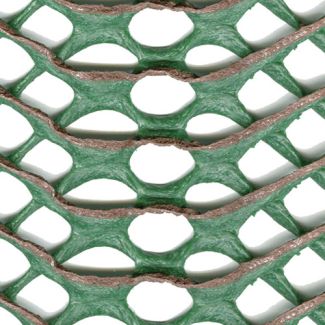
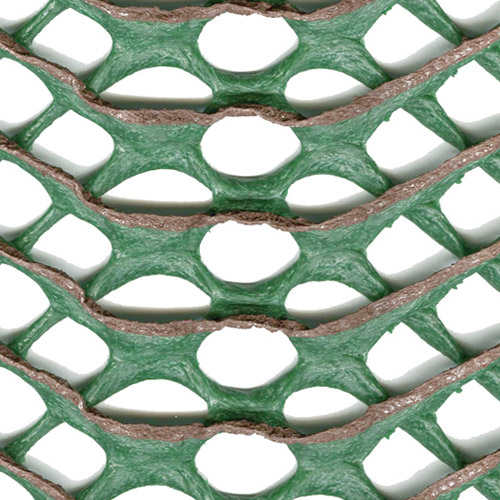
Grass protection mesh, called turf mesh or grass reinforcement mesh on many sites, is a UV stabilised polyethylene mesh laid and pegged over existing turf. Grass grows up through the mesh and knits into it, so the area stays green while it carries vehicles and pedestrians. The grass protection mesh is supplied in rolls for vehicle access routes, recreation areas and livestock areas. The grass protection mesh system is a flexible mesh tested for slip resistance, and it suits ground shared by people on foot and vehicles moving heavy loads over grass.
Grass protection mesh or cellular paving
The choice turns on how often the area is used and whether the ground can be dug out. Mesh suits ground that already carries a healthy sward and sees occasional or seasonal traffic, such as overflow parking, event access, caravan parks and roadside verges. It is laid on the surface with no excavation, the grass grows into it, and an area can be stabilised quickly ahead of a season or an event.
Cellular pavers are the answer for permanent routes with daily traffic. The ground is excavated, a compacted free-draining base is built, and the cells are laid on it and filled, so the load passes through the paver into the base below. Where lorries are expected, or the subsoil is soft or holds water, pavers on a built base are the right choice, because mesh takes its strength from the turf and soil it is laid on.
Plastic grass pavers and concrete grass blocks
Concrete grass blocks, sold under names such as Turfstone and Grasscrete, are precast or cast in place concrete units with open pockets for soil and grass. Recycled plastic cellular pavers do the same job with a different build. The units interlock into one connected surface and are light enough to carry and lay by hand, so a groundworks gang can pave an area without lifting plant. Pro Pave is designed to be lifted and reused on another job, and the heavy duty interlocking paver is a cost-effective alternative to cast concrete systems for HGV parking.
A concrete grass block remains the choice where the specification calls for a fixed, hard paved look with a visible concrete pattern between the grass. Where the aim is a green or gravel surface that carries traffic, goes down quickly and can be relaid later, plastic pavers suit the job.
Grass grids for driveways, car parks and HGV yards
Driveways and domestic parking
A drivable grass driveway, or a gravel drive that does not spread stone onto the footpath, is work for the X Grid plastic grid. Cars turn on the spot at the gate and in front of the house, so the grid needs a firm, well compacted base in those areas most of all.
Car parks and overflow parking
Permanent car parks with daily use take plastic grids on a built base, and where coaches and delivery lorries park there too, the area moves up to truck paving.
HGV yards, coach parks and fire access routes
A grassed fire access route or HGV yard needs truck grade paving such as TruckPave, not a driveway grid, because the route has to carry a laden fire appliance or lorry that turns and brakes on it. A fire route may see a tender only in an emergency, so it is easy to treat it as light duty and lay the grid used on the nearby drives. The route width, turning areas and the vehicle it must carry come from the building's fire safety design under Part B of the Building Regulations, and the paving grade follows from that vehicle.
Load rating, infill and sub-base
Rating for the heaviest vehicle
The range runs from the grass protection mesh system, rated up to 8 tonnes, to Cell Pave and Pro Pave truck paving, rated up to 160 tonne GVW. Rate an area for the heaviest vehicle that will ever cross it: a domestic drive still takes the heating oil delivery and the skip lorry.
Grass fill or gravel fill
Grass fill gives a green finish, but it has to be seeded, watered, mown and given time to establish, and it does best on bays and routes that are not driven over all day. Gravel fill can take traffic as soon as it is laid and compacted, needs less upkeep, and suits busy lanes and shaded corners where grass struggles to grow.
Sub-base, geotextile and drainage
Cellular pavers sit on a compacted, free-draining granular sub-base, its depth set by the traffic and the ground, with a thin bedding layer to level the cells. Over soft or clay subsoil, a geotextile separation layer keeps the stone and the soil apart so the base holds its strength, and geogrids stiffen ground that needs more support. A filled paver is permeable, so rainwater soaks through it into the ground, and that is why these surfaces are specified for SuDS where a planning condition asks for a permeable surface.
Popular Categories

Geotextile Membranes
View Products >

Geogrids
View Products >

Geomembranes & Pond Liners
View Products >
Frequently Asked Questions
No. Grass pavers arrive as empty plastic cells and the mesh arrives in rolls. The cells are filled with a soil and sand mix and seeded for a grass finish, or filled with gravel, while mesh is laid over grass that is already growing.
Keep vehicles off until the grass has rooted down into the cells and the soil beneath. The time this takes depends on the season, the weather and the seed mix, so judge it by the grass and not the calendar. A sward that has rooted well and been mown a few times is ready for traffic.
Yes. A gravel-filled plastic grid such as the X Grid, laid on a level, compacted base, gives a firm and free-draining pad for a garden shed or small timber building. Set the grid level, fill it flush with gravel and compact it before the building goes on.
Yes. Plastic grids and pavers can be cut with a saw to fit against kerbs, walls, drainage channels and curved edges. Keep cut pieces as large as possible and hold the outer cells with a kerb or edging so they cannot creep.
Green and natural grids suit a grass fill, because the plastic is hidden as the grass grows over it. Black grids suit gravel, where they disappear beneath dark or mixed stone. The colour has no bearing on the load the grid carries.