







Trench Covers & Road Plates
Trench covers and road plates let pedestrians and vehicles pass over open trenches and excavations while the work below carries on. The steel range spans gauges from 6mm to 25mm in four types of road plate: plain, anti-slip, anti-skid and Safe Plate. The steel plates have a lifting eye in each corner for handling by machine. Where a cover must be easy to see as well as carry a load, the LowPro trench covers and the driveway trench cover board are high-visibility composite boards that take foot traffic and vehicles over trenches on footpaths and driveways.
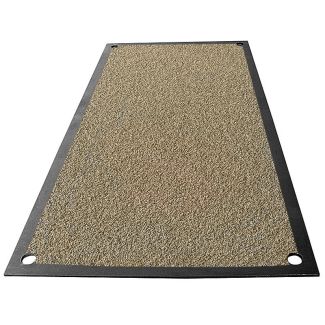
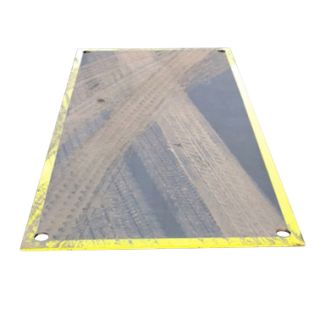
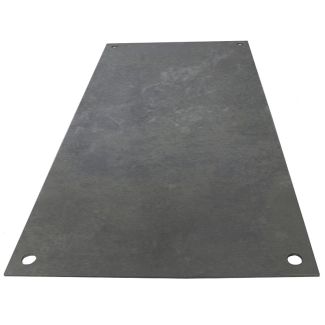
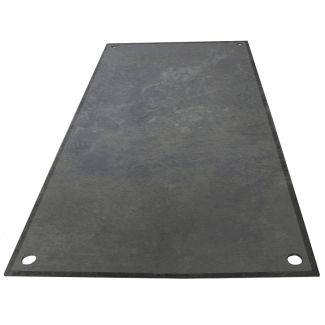
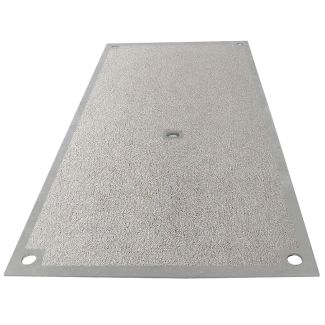
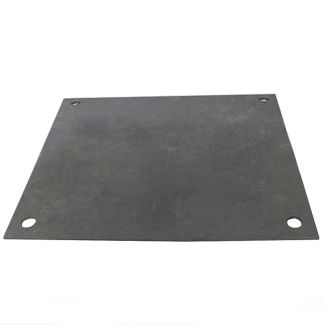
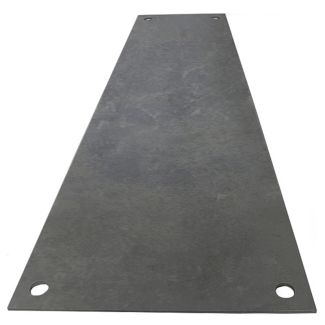
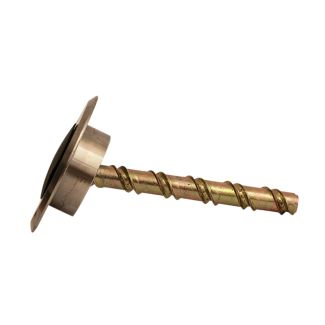



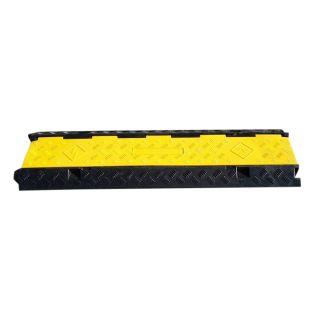
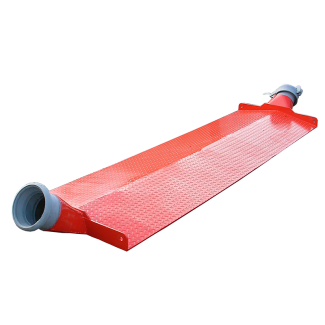
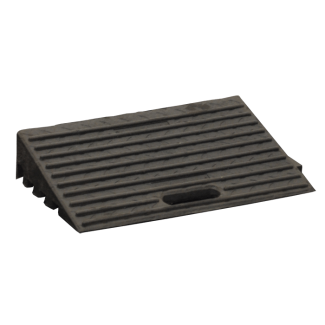

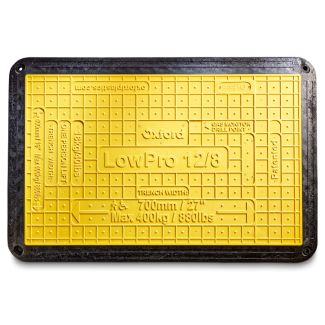
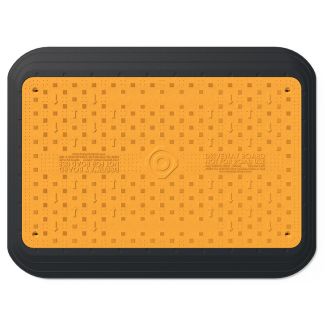

Steel road plates, trench covers and driveway boards
The range sorts by what crosses the trench: footway boards and pedestrian trench covers for foot traffic, driveway boards for cars and vans at a house entrance, composite road plates for lorries where the cover is laid by hand, and steel road plates for road crossings, site roads and plant.
Plain steel road plates
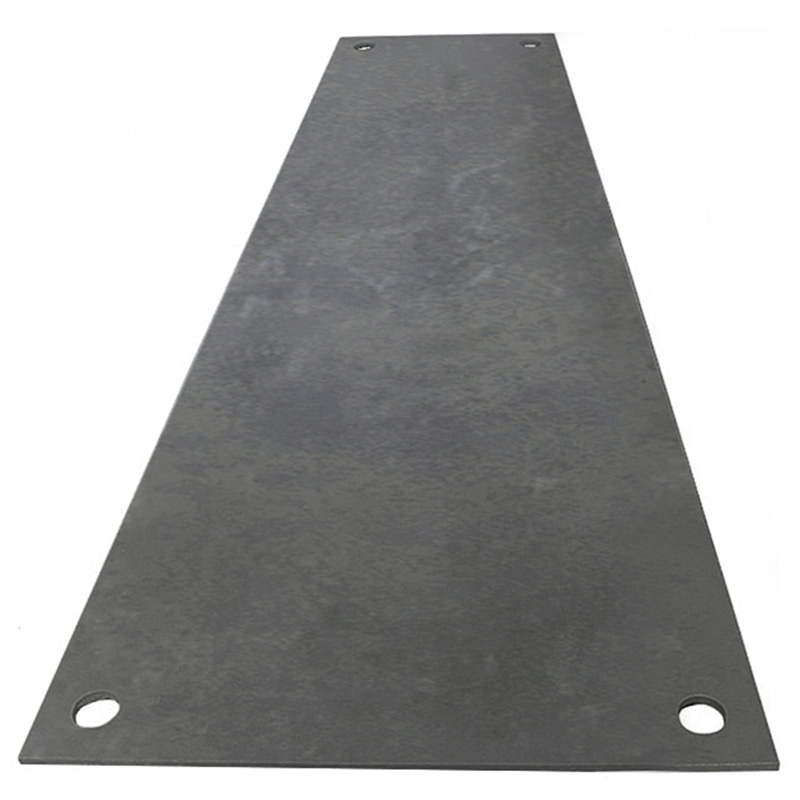
Plain steel road plates are the general-purpose cover for excavations on site roads, compounds and road crossings, in a full spread of lengths and gauges. They are the choice where a bare steel surface suits the traffic, and for plates that move from job to job and are handled often.
Anti-slip road plates
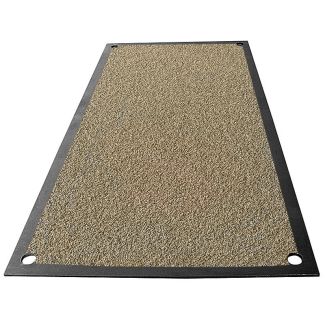
Anti-slip road plates have a coarse aggregate coating bonded to the steel, which gives a gritted surface for feet and tyres. Choose them for plates crossed by pedestrians and vehicles alike, and for plates that stay down through wet weather at site entrances and on footpaths.
Anti-skid road plates
Anti-skid road plates carry a resin and bauxite bonded coating that gives tyres traction as they brake, turn and pull away. They are the plate for road crossings in live traffic, at junctions and on slopes.
Chamfered edge road plates
Road plates with chamfered edges have sloped edges, so wheels ride on and off with less of a step and less noise. Choose them for busy roads and town streets, where traffic crosses the plate all day beside houses and businesses.
Safe Plate hi-vis road plates
The Safe Plate hi-vis road plate has an anti-slip surface and hi-vis paint on the lip, so the edge of the plate stands out to people walking and driving. It is made for pedestrianised streets and areas of slow-moving traffic.
Safe Lift road plates
The Safe Lift road plate is an anti-skid steel plate with lifting points at the corners and in the centre, lifted with its own adaptor. It suits crews who lift and relay plates every day.
Steel trench covers for long, narrow trenches
Steel trench covers are long rectangular mild steel plates shaped for cable, pipe and duct trenches. On a narrow run they cover more length per plate than a square road plate, so fewer plates close the trench.
Composite road plates
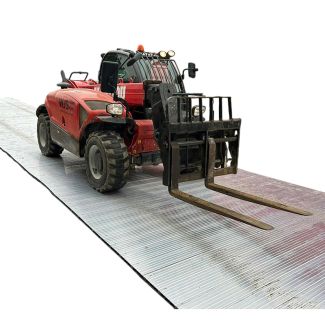
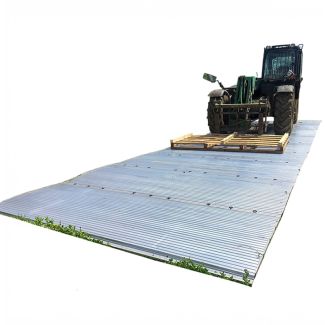
The composite road plate is a modular system of light inner and end sections that two people lay without a machine, for vehicle traffic up to lorries. Inner sections are added to suit the length of the opening, and end sections finish each run.
Pedestrian trench covers and footway boards
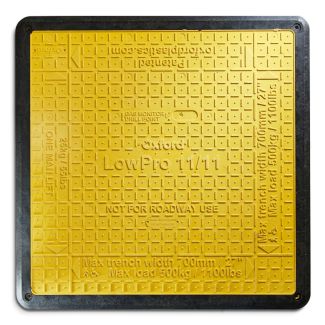
The LowPro 11/11 pedestrian trench cover is a hand-laid board for foot traffic over narrow trenches, with a flexible edge that lowers the step where the board meets the footpath. The Tuff Tread footway board is a one-person lift for the same work. For a footpath that also has the occasional car crossing it, the LowPro 12/8 composite trench cover is a light anti-skid board that takes light vehicles as well as pedestrians.
Driveway boards
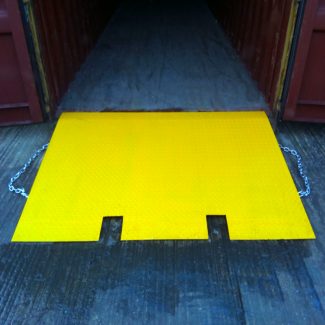
Driveway boards keep a house entrance open to cars and vans while a utility trench crosses it. The driveway board is a plastic board with a non-slip pattern and anti-trip edges that takes cars and vans. The LowPro 15/10 driveway trench cover board is a composite board with a flexible edge, designed for a wider span.

Steel or composite road plates
The choice turns on how the cover is placed and what crosses it. Steel road plates are the material for road crossings, site roads and plant, with the widest choice of sizes, gauges and finishes, and they are set and lifted by machine: by chain on the lifting eyes, by magnetic lifter or with the Safe Lift adaptor. That suits roadworks and groundworks where an excavator or lorry crane is already on the job, and openings that call for a heavier gauge.
Composite and plastic covers are made to be carried and laid by one or two people. The composite road plate carries lorries over a 700mm trench and is still light enough to lay by hand. Composite suits footpaths, driveways, residential streets and utility work where a van crew opens and closes trenches through the day without a machine on site.
A single job can use both: steel plates where the trench crosses the road, and composite covers where the same trench runs along the footpath or across a drive.
Sizing trench covers to the trench and the traffic
Two things set the cover: the width it spans with firm bearing on each side, and the traffic that crosses it.
Trench width and bearing on firm ground
A plate must span the full width of the trench and bear on firm, level ground beyond both edges, because a trench edge loaded by a wheel can break away if the plate stops short of solid ground. Measure the opening at its widest point, including any overbreak, and choose a plate long enough to give a generous overlap on each side.
Plate gauge and the traffic crossing it
Gauge rises with the load and with the span. The lighter steel trench covers and plates carry foot traffic and light vehicles over narrow openings, and road crossings for lorries and wheeled or tracked plant take the heaviest gauges in the range. Where the load or span falls outside a straightforward case, the plate is set by a temporary works design.
Road plates on public roads
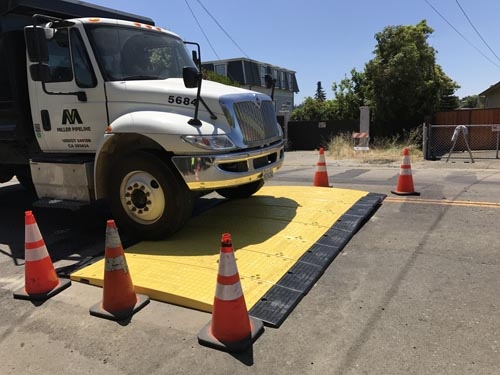
Plates on a public road are planned as part of the road opening licence from the local authority and the temporary traffic management layout under Chapter 8 of the Department of Transport's Traffic Signs Manual. Plates in a live lane are fastened down so they cannot creep under braking traffic.
Securing and lifting road plates
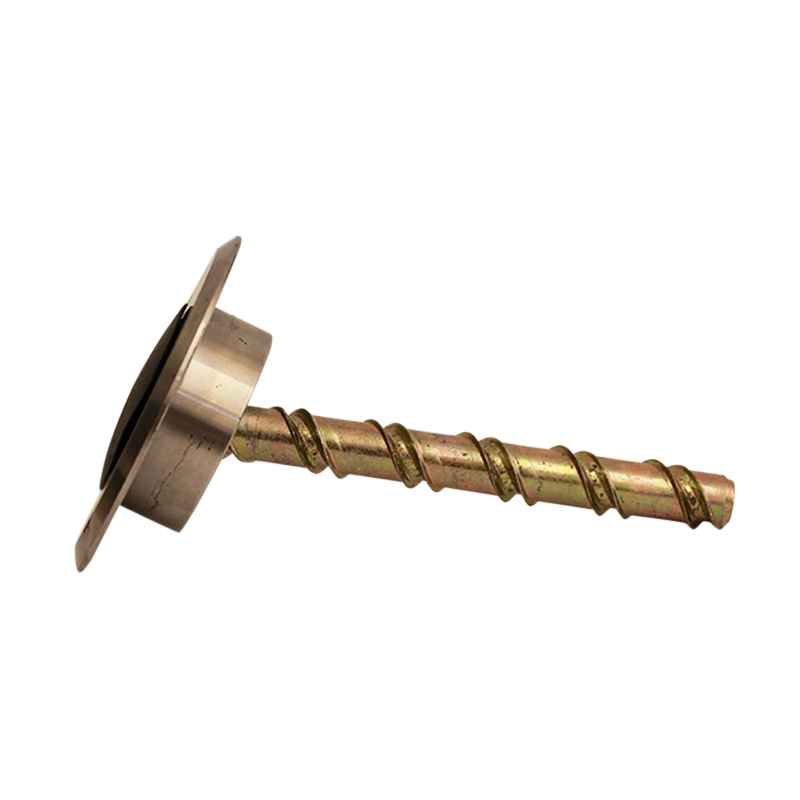
Steel road plates are fastened through their corner holes with a securing collar and a pin or screw into the ground or road below, and they are lifted by chains on the lifting eyes or with a magnetic lifter.
Road plate securing collars
Road plate securing collars sit in the plate's lifting holes and hold the fixing neatly so the plate stays where it was laid. They fit lifting holes of 65mm to 80mm, larger than the lifting holes on the anti-slip and anti-skid plates, so check the hole size on the plates before ordering.
Magnetic lifters for steel plates
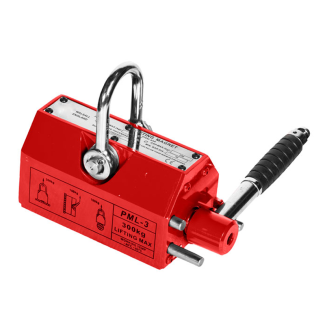
A permanent magnetic lifter picks a steel plate up from its surface with no power supply and no chains through the corner eyes. Lifters come in ratings from 100kg to 2000kg, and the one chosen is rated above the weight of the heaviest plate it will lift. They lift steel only, so composite covers are handled by hand.
Popular Categories

Road Forms
View Products >

Bog Mats
View Products >

Rebar & Steel Plate
View Products >
Frequently Asked Questions
The two names are often used for the same thing. Road plate usually means a square or rectangular steel plate that vehicles drive over, while trench cover is used for any cover over a trench, including long narrow steel plates and the lightweight composite boards made for footpaths and driveways.
Not always. The LowPro covers have a flexible edge that grips the surface, so in most cases they sit without bolting or anchoring. The driveway board has fixing holes for where it must be fixed down.
Yes, provided the edge of the plate does not leave a trip and the footpath keeps a clear, level route for people with buggies and wheelchairs. Steel plates on a footpath are usually ramped at the edges with cold-lay material, and the Safe Plate's hi-vis lip marks the edge for people walking.
GRP is glass reinforced plastic, one of the composite materials used for lightweight road plates and trench covers. Composite, GRP and plastic road plates are moulded covers light enough to carry and lay by hand. The composite road plate and the LowPro covers in the HERMEQ range belong to this group.
Where cars turn and brake on a plate and people walk across the same plate, an anti-skid or anti-slip finish gives grip to both. In a car park used by the public, the Safe Plate makes the edge of the plate easy to see. A works yard used mainly by plant and site vehicles is well served by plain steel, with chamfered edges where traffic crosses the plate all day.