







Estate Fencing & Railings
HERMEQ supplies estate fencing, metal railings and steel fencing for domestic boundaries: front gardens, driveways, country homes and new-build housing. The range covers traditional estate fencing and estate railings with horizontal rails, alongside bow top, ball top and vertical bar railings made as panels of upright bars.
These permanent boundaries have grown in popularity on houses over the last few years. They give a property a clean, traditional edge, they go up in pre-made bays fixed between posts, and most of the range is galvanised and powder coated steel, which gives it a long life outdoors.
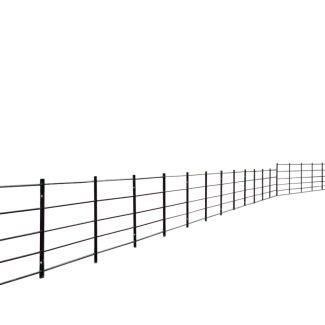
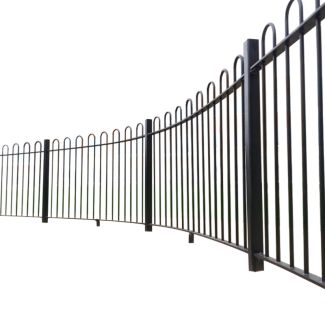
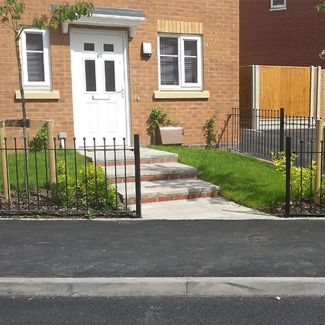
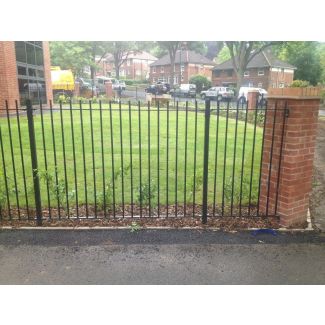

Estate railings, bow top and ball top railings
The range divides into two families: horizontal-rail estate fencing, where rails run along the boundary between slim posts, and vertical-bar railings, made as panels of upright bars set between posts.
Estate railings and traditional estate fencing
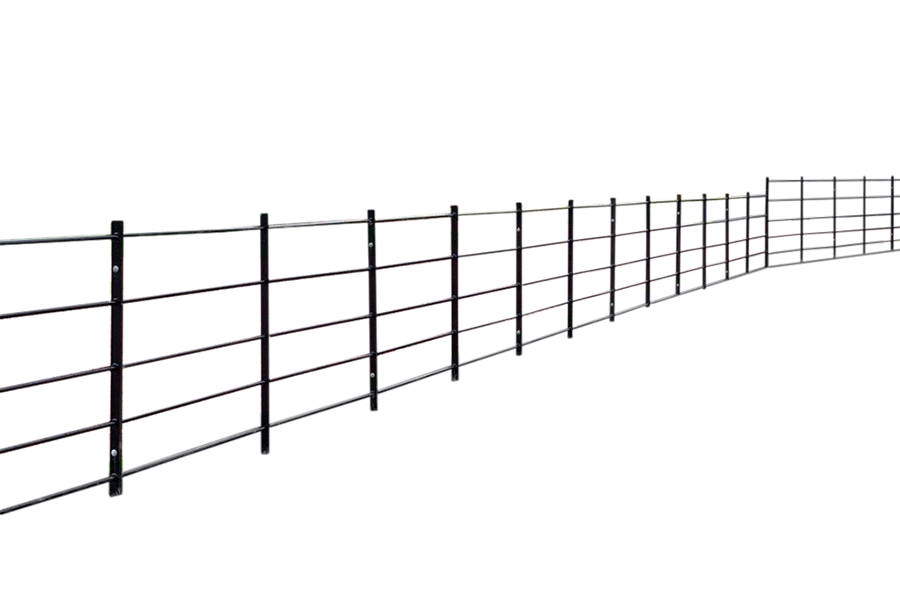
Estate fencing, which the trade also calls estate rail or park fencing, is the horizontal-rail boundary long seen around parkland and country houses, and it is now common on new-build housing projects too. Choose it for a long boundary or an open frontage where the land beyond should stay in view. The range includes traditional estate fencing and estate railings in pre-manufactured bays, with 1.0 m high estate railing bays for a lower boundary.
Bow top railings
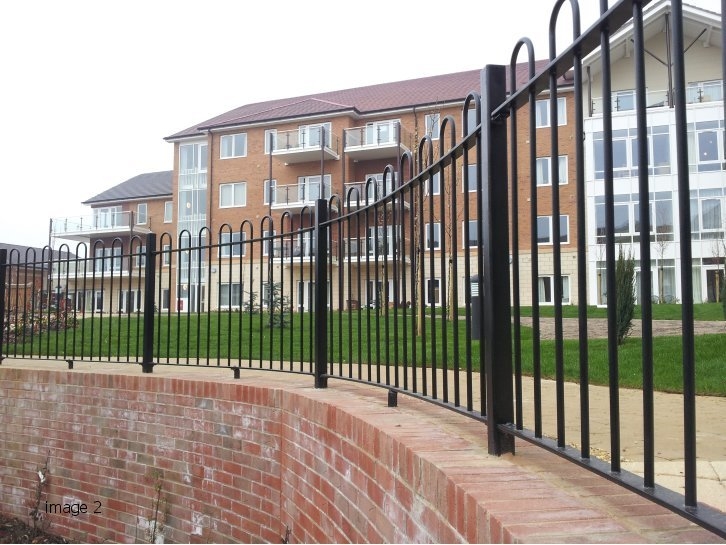
Bow top railings, also sold as hoop top railings, join the upright bars in rounded arches along the top of each panel. The soft outline suits front gardens and boundaries seen up close from the footpath, where a decorative edge sits well against brick or render. They are a common choice where a family garden meets the street.
Ball top railings
Ball top railings finish each upright bar with a ball on top, a detail that has become popular on new builds. Choose them for a more formal frontage, or where the railing should read as part of the architecture of the house.
Vertical bar railings
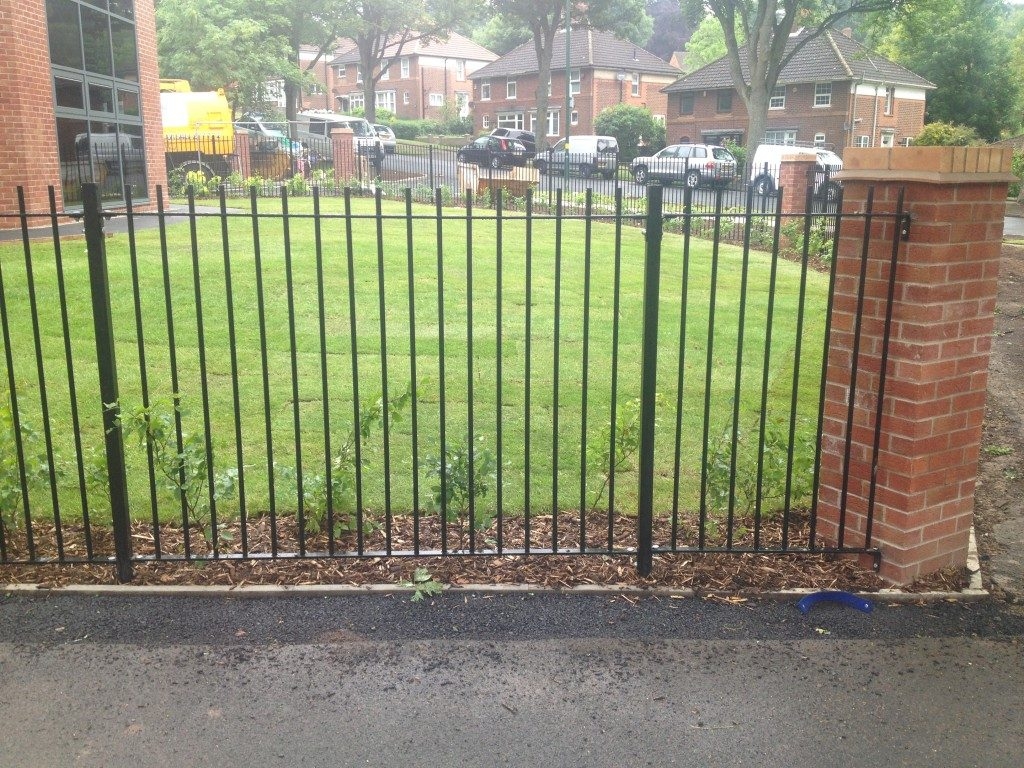
Vertical bar railings are the plainest of the panel styles, with straight upright bars and no decorative top. They suit modern houses and frontages where a clean, even line matters more than ornament, and they sit quietly alongside contemporary materials such as render and large glazing.
Traditional or modern estate fencing
Traditional horizontal-rail estate fencing is the right choice for country homes, long rural boundaries and open driveways, where the fence should mark the line and leave the view across the land open. Its rails read as a light line along the ground, so the style carries over long distances without closing in the property. A vertical-bar panel railing is the right choice for new-build frontages and front gardens, where the boundary sits close to the house and the footpath. Upright bars give a crisper street line, and they leave fewer footholds than horizontal rails, which matters where children play in a garden beside a road. The decision rests on the property: open land and a long run favour the traditional look, while a short, close frontage favours the panel railing. Where a boundary must keep people out, such as a yard or a commercial perimeter, palisade fencing and V mesh perimeter fencing are built for that job, and both sit in the wider permanent fencing range.
Metal fencing and railings for gardens, driveways and new builds
Each setting puts its own demand on the run: where the boundary line falls, where the openings go and how the railing sits against the house.
Front gardens and house frontages
A front garden boundary is seen from the road and from the house at once, so the style should suit the front of the building: bow top or ball top against traditional brick, vertical bar against a plainer modern elevation. Set the line on the legal boundary, which is not always the back edge of the footpath, and place the pedestrian gate where the path to the door meets it. Rear garden boundaries that call for a different style are covered by the garden fencing range.
Driveways and entrances
On a driveway the railing runs up to the opening, so the end posts on either side set the gate width. Plan the opening around the vehicles that use it and the swing of the gate, then choose vehicle access gates sized to it. Lower railings beside the entrance keep sight lines clear for drivers pulling out onto the road.
New-build housing developments
Across a housing development, one style and one height on every plot gives the scheme a single street line. Fix the plot boundaries from the site layout before ordering, since any change to a boundary changes the run, its ends and its gate positions.
Country homes and rural boundaries
A country property often has a long boundary that passes field gates, trees, drains and changes of level. Walk the line and mark each of these before the run is priced, because each one decides where a post, an end or an opening has to go.
Railing height, finish and measuring a run
1.0 m or 1.2 m high
Bow top and ball top railings come in both heights, so the same style can be matched to how much enclosure the boundary needs. The lower height suits an open frontage where the house should stay in view from the road. The taller height gives more enclosure for a garden used by children or a dog, or for a boundary beside a busy road.
Galvanised and powder coated finish
Bow top, ball top and estate railings are galvanised and then powder coated black as standard. The zinc coating protects the steel and the powder coat adds a second layer against rust, so the railings arrive finished and there is no painting on site.
Measuring the run for a calculator order
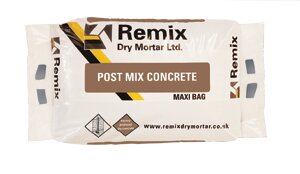
Measure the full length of the run, then count the free ends, the corners and every gate opening, with the width of each opening, since ends and corners need their own posts and openings come out of the railing length. Note the fall of the ground along the line as well. With these figures, the calculator pages for bow top, ball top and estate railings price the run, and the ball top calculator also adds gates, end posts and Postcrete, so a complete run is ordered in one go. Posts are set in Postcrete, a rapid-setting post mix that needs no mixing.
Popular Categories

V Mesh Fencing
View Products >

Palisade Fencing
View Products >

Wire & Chain Link Fencing
View Products >
Frequently Asked Questions
Both names describe the same style of horizontal-rail steel boundary, first used around parkland and country estates. In the HERMEQ range, the estate railings come as 2 m wide pre-manufactured bays, galvanised and powder coated black, and are ordered through a calculator. Buyers looking for upright bars rather than horizontal rails want bow top, ball top or vertical bar railings.
The price per metre depends on the style, the height and the number of end posts, corners and gates in the run, because each adds parts beyond the railing itself. A short front garden with a gate and two ends costs more per metre than a long straight run. The calculator pages price a run from its length and the options chosen.
The ball top railings calculator includes gates as an option, so a gate is ordered with the railings it matches. For wider driveway openings, the vehicle access gates range covers entrances that take a car.
Yes, railings and a hedge work well together: the boundary is open at first and becomes screened as the planting grows. Set the planting line far enough inside the railings to allow for the hedge's full width and for trimming from your side. Put the posts in first and plant afterwards, so post holes are not dug through new roots.
Estate railings come as pre-manufactured bays that connect with the fixings supplied. Set out the line with a string, dig the post holes, stand each post plumb and set it in Postcrete, then fix the bays as the run progresses. Working from a fixed point such as a corner or a gate post keeps the spacing true along the run.
Under the Planning and Development Regulations 2001, a railing or fence in front of a house is generally exempted development up to 1.2 m high, and up to 2 m elsewhere around the house, provided it is not a metal palisade or other security fence. A planning condition, common on some housing estates, or protected structure status can remove the exemption, so check with the local authority if either applies. Bow top and ball top railings at 1.0 m or 1.2 m sit within the front garden limit.