







Erosion Control Matting
Erosion control matting, also called anti erosion matting, protects bare soil at the surface and reduces erosion until vegetation has established. The range covers coir matting, jute mesh, pre-seeded grass seed mats, the Techmat series and synthetic 3D geomats, with grades for drainage ditches, shore and bank protection, areas with rising and falling water levels, and landscaping.
Alongside the matting, HERMEQ supplies sediment pollution control products for stormwater run-off from construction sites. Silt pockets, drain guards and pipe socks hold back sediment before it reaches drains and watercourses. Much of the range is made from natural fibres and is biodegradable.
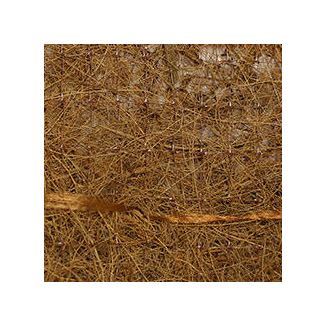
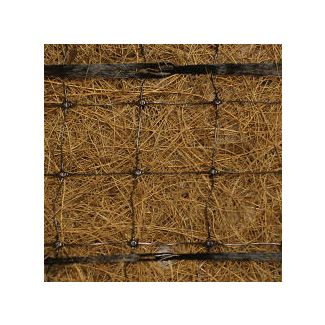
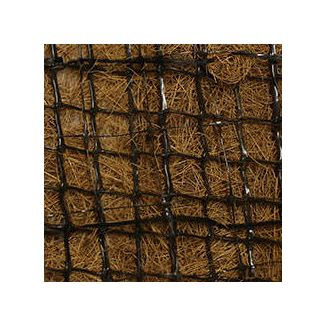
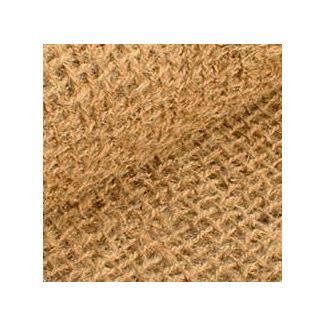
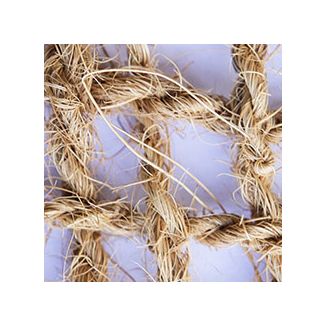
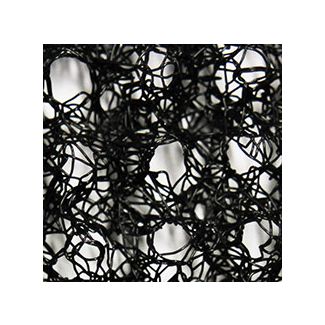

Coir, jute and synthetic erosion control mats
The range divides into natural fibre mats of coir and jute, which break down once grass has taken over, and synthetic mats that stay in the ground for longer or for good.
Coir matting and coir erosion control blankets
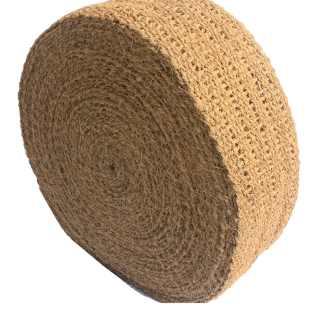
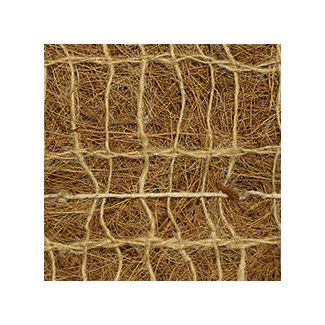
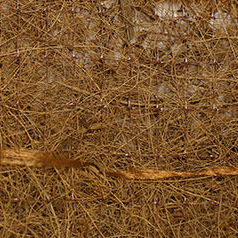
Coir mats are a layer of coconut fibre held between jute or polypropylene nets and stitched together. Coir matting is the usual choice for seed and soil protection on disturbed ground, banks and landscaped slopes. Its continuous fibre layer gives closer cover than an open mesh, so choose it over jute where the soil is loose or run-off is heavier.
Jute mesh and hessian matting
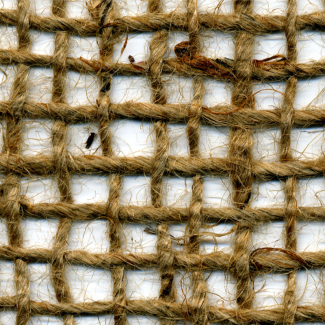
Jute mesh is an open weave of pure geo-jute, the same fibre as hessian, made for erosion control. It moulds closely to uneven ground, protects seed and soil from wind, rain and run-off, and keeps a sheltered micro-climate at the surface while seedlings grow up through the weave. It suits bare surfaces on gentler slopes and landscaped areas where a light, fully natural cover is enough.
Pre-seeded grass seed mats
Pre-seeded grass seed mats are biodegradable mats sown evenly with seed and fertiliser at manufacture, so the seed stays where it was placed through handling, transport, laying and settlement. On a steep slope, loose seed sown under a blanket can wash out before it roots, and the pre-sown mat removes that risk by putting down cover and seed in one operation.
Techmat erosion control mats
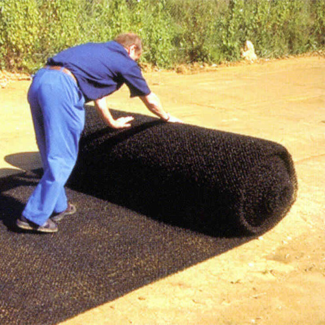
Techmats are rolled erosion control mats made in a series of grades for drainage ditches, shore and bank protection, ground with rising and falling water levels, and landscaping. The grades differ in weight and construction, starting from the Techmat CB350. The Techmat CN400 is a 400 gsm grade and the Techmat CN700 a thicker mat for harder-working ground. The Techmat CB350J is a biodegradable netting grade within the same series.
Reinforced and non-biodegradable Techmats
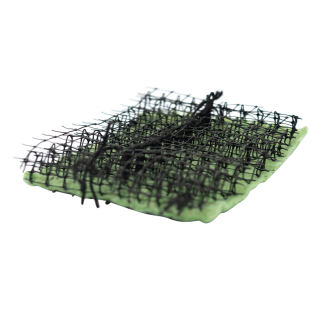
The non-biodegradable Techmat P3500M is a synthetic mat for designs that need the matting to keep working after a natural fibre would have gone. The metal mesh reinforced Techmat P500RFM is a three-dimensional mat of extruded monofilaments bonded to a metal mesh, for banks and slopes that need the strength of the mesh as well as cover for the soil.
3D geomats for permanent grass reinforcement
The 3D erosion control geomat is a synthetic mat of densely fused strands that imitates a root matrix, binding and trapping soil particles and fertile humus within its structure. Grass roots grow through it and lock into it, so the turf and the mat work as one reinforced layer. Choose it where grass cover alone will not hold the ground against weather and water.

Biodegradable or permanent erosion control matting
The choice turns on how long the ground needs help. Biodegradable erosion control matting, which covers the jute mesh, the pre-seeded grass seed mats, the Techmat CB350J and coir mats on jute nets, is right wherever established vegetation will hold the soil on its own: the mat protects the surface while the grass roots, then breaks down and leaves nothing to remove. Jute mesh decomposes once vegetation has established, within two to three years.
Permanent synthetic matting is the choice where vegetation alone will not hold against flowing water, as in channels and on banks below the flood line, or where the design needs the mat to last longer than one or two seasons.
Where the root matrix itself needs reinforcing for good, the 3D geomat stays in the root zone permanently and keeps working with the grass for the life of the slope.
Bank stabilisation matting for slopes, riverbanks and ditches
The right matting for each job depends on how water reaches the soil: as rain and sheet run-off on a slope, as current and wave action on a bank, or as concentrated flow in a ditch.
Steep slopes and embankments
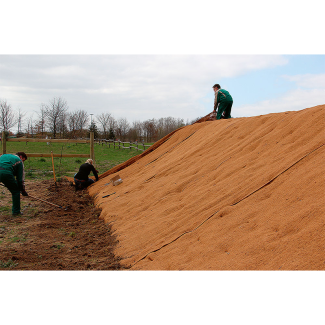
On cuttings, embankments and spoil slopes, the threat is rain splash and sheet run-off on loose soil before grass has rooted. Close contact between the mat and a smooth, prepared surface matters more here than mat weight, because water that gets underneath does the damage. Pre-seeded mats suit faces too steep to hold loose seed, and the 3D geomat or a reinforced Techmat suits faces that stay steep after the grass is established. Where the topsoil needs confining as well as covering, coir stabilisation fencing builds retaining geocells that hold it in place.
Riverbanks and shorelines with changing water levels
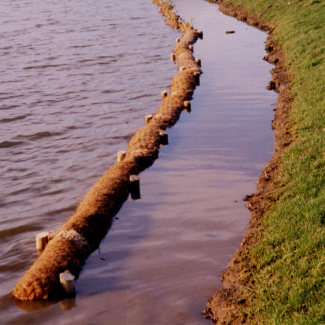
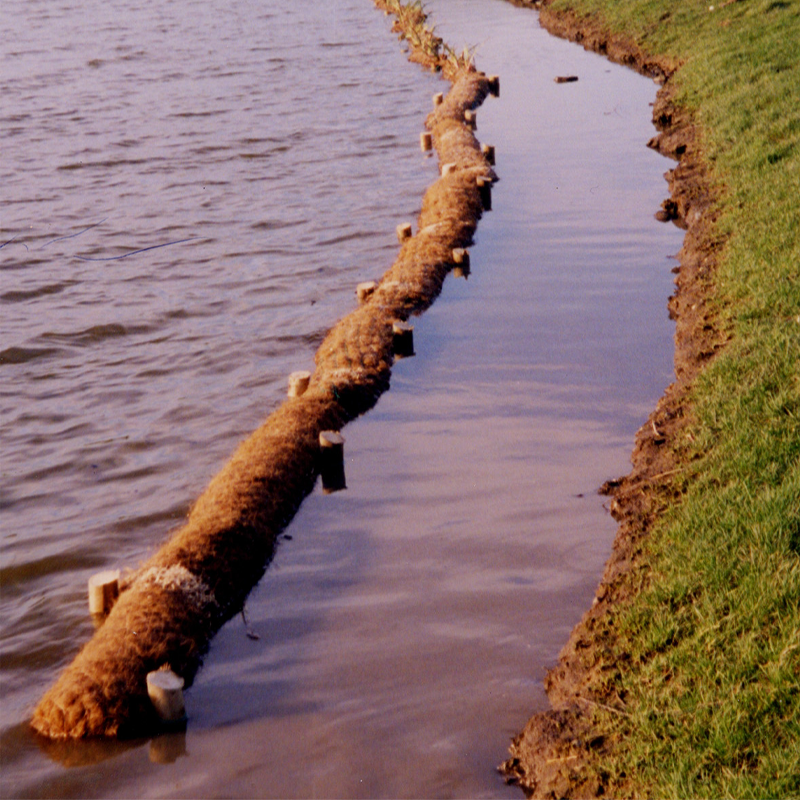
A bank that floods and drains loses soil at the face, scoured by current and rain, and at the toe, undercut by waves and flow. Matting covers the face, and coir logs along the toe take the wave energy and scour. Where topsoil on the upper bank is likely to slip while vegetation establishes, coir stabilisation fencing holds it in place. The full range for the water's edge is under water margin protection.
Drainage ditches and channels
A heavier grade such as the Techmat CN700, or the non-biodegradable Techmat P3500M, suits the invert and lower sides, where flow is fastest. Rolls are laid in the direction of flow, with each upstream roll lapped over the one below it so that water cannot lift the joint.
Silt fence and sediment control for site run-off
Matting stops erosion where the soil is bare, but water leaving the works still carries sediment from haul roads, stockpiles and excavations, so a site plan needs cover at the source and a line of control between the works and the nearest drain or watercourse. Beside rivers and streams, Inland Fisheries Ireland's guidelines for construction works in and adjacent to waters set out how that sediment is kept out of the channel.
Silt fences and straw bales
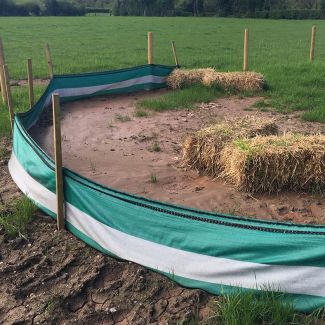
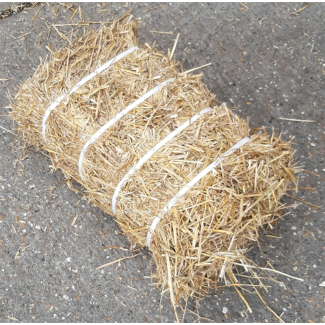
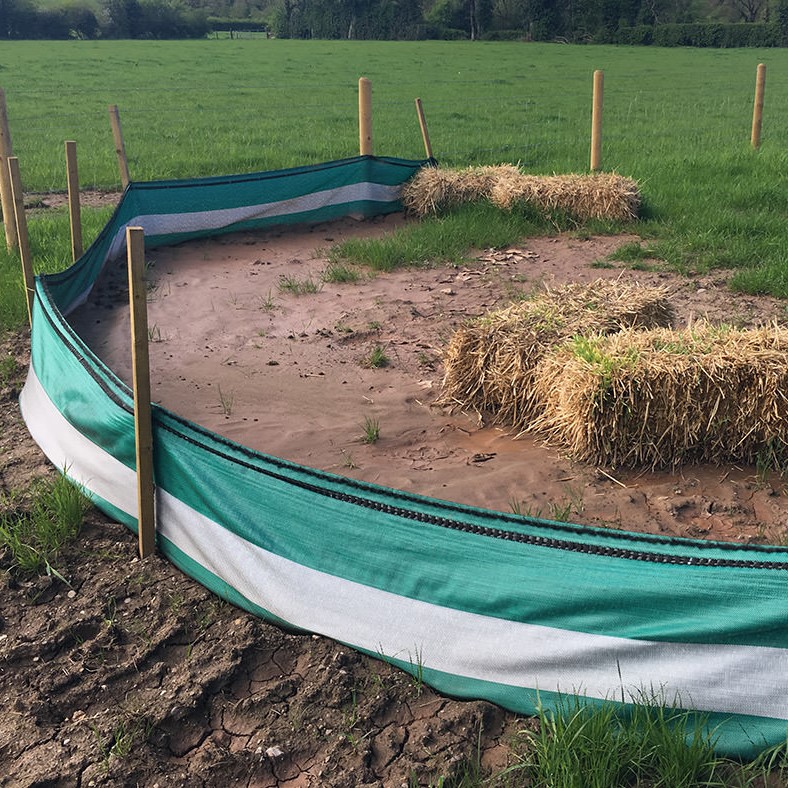
A silt fence is trenched in along the downslope edge of construction, farming and forestry works, and lets water pass while holding sediment back. The silt fencing geomembrane is a woven, porous, UV stable fabric for the same temporary barrier during groundworks. Straw bales intercept small amounts of sediment from disturbed areas of limited extent, and need careful anchoring and regular checks.
Drain guards and silt pockets
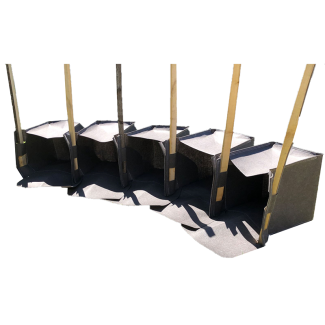
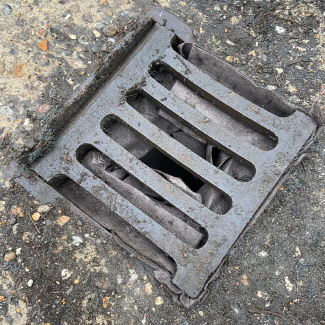
Drain guards sit directly in the gully pot and filter sediment and oil from surface water without stopping the drain from working. Silt pockets are mats of interlocking, open-fronted pockets that slow passing water and trap eroded material, used as check dams, silt traps and no-dig silt fence, and for gully erosion reinstatement.
Pipe socks for pumped water
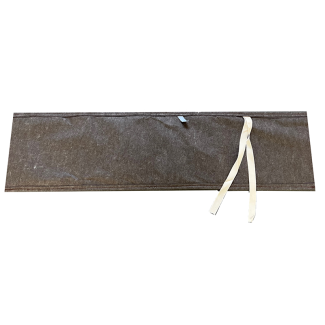
Water pumped from excavations, trenches, lift shafts and bunds carries sediment and often an oil sheen. Pipe socks filter it at the discharge, and on smaller jobs with minor pollution problems they are the simpler alternative to a silt bag or dewatering bag.
Silt curtains for work in water
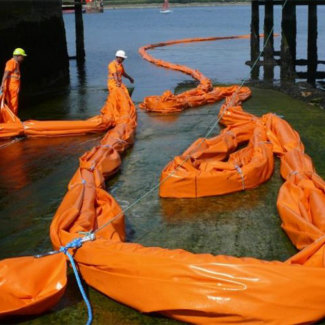
Floating silt curtains, also called silt nets or turbidity curtains, hang in the water column and control the spread of suspended solids during piling, dredging, bank re-profiling, quarrying and marine construction.
Popular Categories

Geotextile Membranes
View Products >

Grass Pavers & Gravel Grids
View Products >

Geogrids
View Products >
Frequently Asked Questions
They do when they are laid on prepared, firm soil and held in full contact with it, so that rain and run-off pass over the blanket and not underneath it. Checking the matting after the first heavy rain and re-pinning any lifted edges deals with most problems.
The usual practice is to bury the top edge in an anchor trench along the crest, backfill and compact it, then roll the mat downslope without stretching it. Adjoining rolls are overlapped, and the mat is pinned with ground pins or pegs across its width, at the overlaps and along the edges, with closer pinning on steeper or more exposed ground. The bottom edge is pinned or keyed in at the toe.
For blankets, mesh and most mats, the soil is prepared, seeded and fertilised first and the matting is laid over it, so the seed sits against the soil under the cover. With open three-dimensional mats, the mat can be laid first and then filled with topsoil and seed.
Yes. Natural fibre and synthetic mats cut cleanly on site with a sharp knife or heavy shears, which is how rolls are trimmed around trees, outfalls and the ends of a run. Metal mesh reinforced mats need wire cutters for the mesh.
Across the range, rolls run from 1.2 m to 2.4 m wide and from 30 m to 70 m long. Each product page gives the roll size for that grade, and the roll size sets how many rolls a slope, bank or ditch of a given area needs once the overlaps between rolls are allowed for.