







Heras Fencing
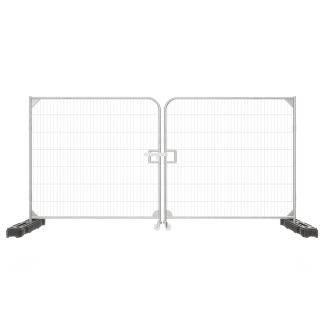
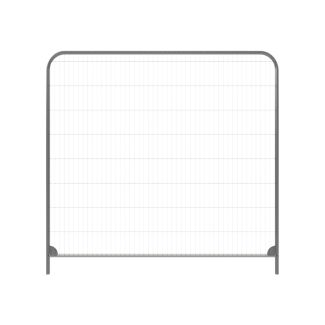
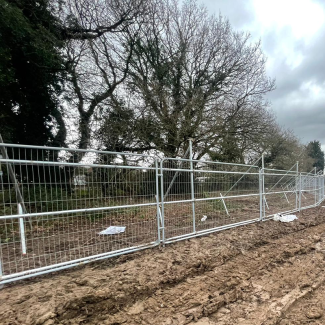
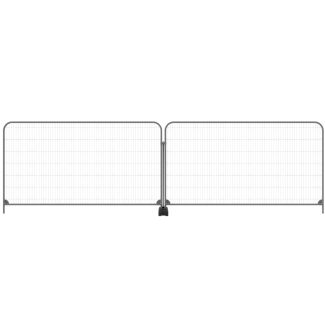
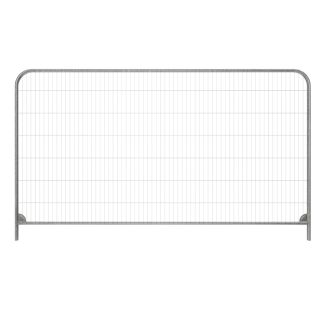
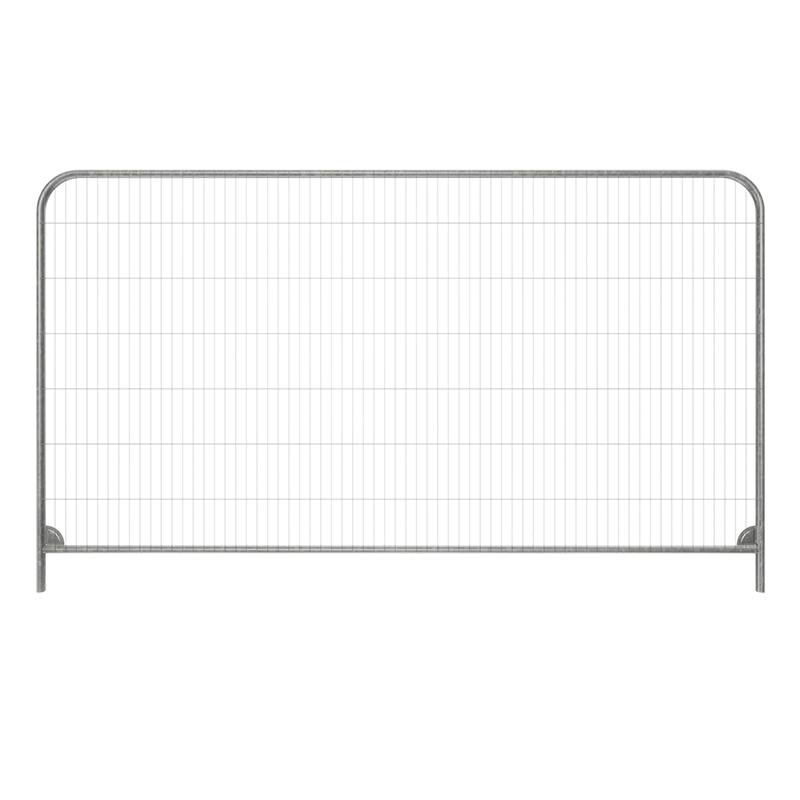
Heras fencing, also known as harris fencing, is temporary mesh fencing made of galvanised anti-climb mesh in a tubular steel frame. The standard panel is 3.5m wide and 2.0m high, stands in a fence foot and clips to the next panel. The panels secure the perimeters of construction and demolition sites, and they handle crowd control and security at outdoor events. Rubber block fence feet and fence clips complete each run, while pedestrian and vehicle gates control access to the site. For long programmes and high-value compounds, the range also covers rigid on-ground security fencing and V mesh fencing.
-
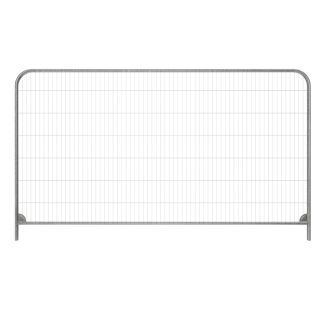 Temporary Fence Panel 3.5m x 2.0m - Anti-Climb Wire MeshAs low as €47.55 €58.49
Quick 2 Day Delivery
-
-
-
-
-
-
-
-
-
-
-
-
-
-
-
-
-
-
-
Heras fence panels and sizes
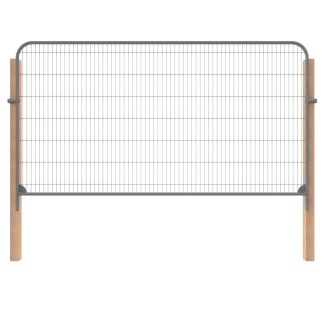
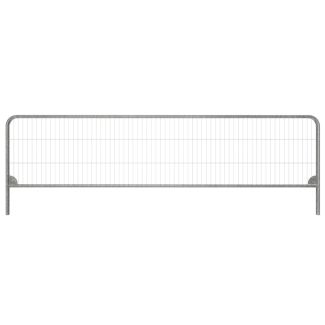
The trade standard is an anti-climb mesh panel 3.5m wide and 2.0m high, and the HERMEQ range adds half height panels for event lines and taller panels for perimeters that need extra height.
Standard anti-climb mesh panels
Most site and event perimeters are built from anti-climb heras fence panels in the standard format. The narrow mesh is hard to grip or get a foot into, which discourages climbing, and the open infill keeps the line see-through so a compound can be watched from outside.
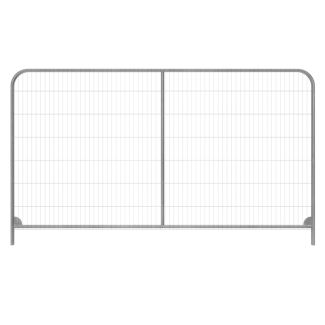
Panels with a centre bar
A horizontal rail across the middle of the frame stiffens the mesh on heras panels with a centre bar. They suit fence lines that are taken down and re-erected often, and busy sites where panels are knocked by barrows, materials and people.
Half height anti-climb panels
Stewards and security staff can see across a crowd over half height anti-climb mesh panels, which still mark a firm boundary. They are the right choice for inner event lines, queue areas and walkways inside a larger perimeter, while the outer boundary that has to keep people out stays at full height.
Tall anti-climb mesh panels
Where a standard line is too low, such as around demolition, infrastructure works or a compound beside a busy footpath, tall heras fence panels raise the boundary with the same anti-climb mesh, rubber feet and clips. They are narrower than the standard panel, so a run of the same length needs more feet and clips.
Powder coated mesh panels
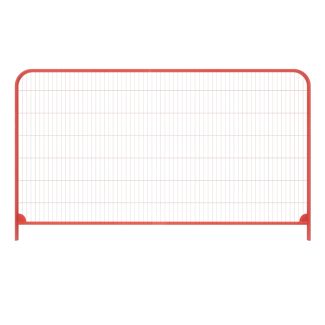
Powder coated mesh panels come in green, black, blue, red, white and yellow, so a line can match a client's or an event's colours and one contractor's panels can be told apart from another's on a shared site.
Used anti-climb fence panels
Panels that have come off previous installations are inspected and sold as used heras fence panels. They have round top corners and reinforced corner brackets, and suit contractors building up their own panel stock.

Security fencing systems and V mesh fencing
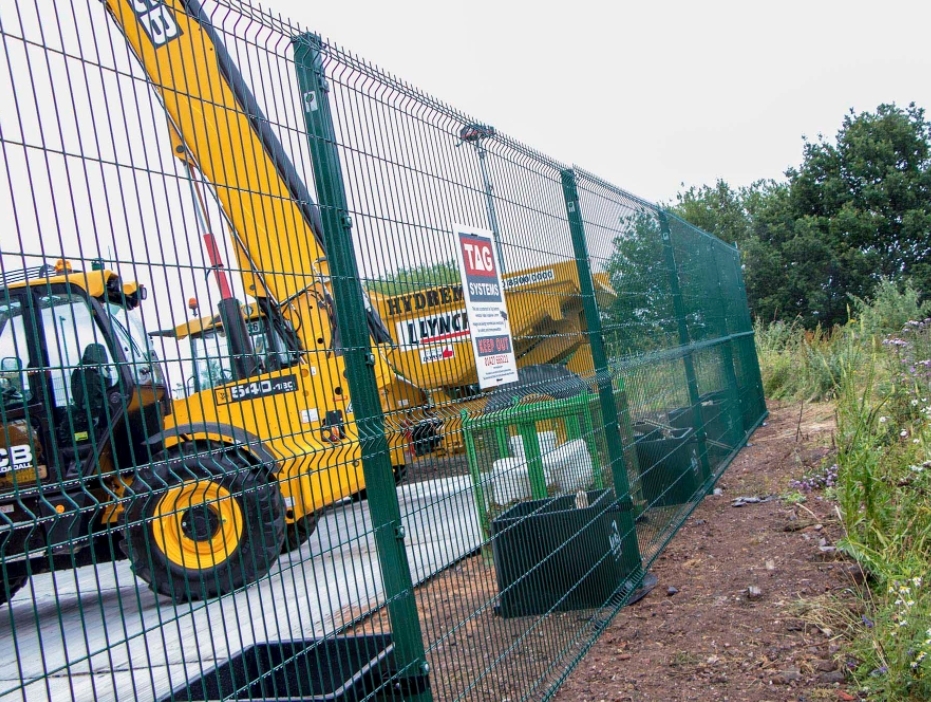
For sites that need more than panel-and-foot heras fencing, HERMEQ supplies rigid on-ground security fencing systems.
Rapid deployment rigid mesh fencing
The rigid mesh used for permanent perimeters is built into a temporary configuration in rapid deployment security fencing, in heights from 1.2m to 3.0m. It is tested to EN 1991 for wind loading, as are the double wire, LPS 1175 and pulse systems below.
Double wire on-ground security fencing
Twin horizontal wires either side of each vertical give double wire on-ground security fencing a stiff panel and a neat finish. It suits schools, sports grounds and airports as well as construction sites.
LPS 1175 security rated fencing
A certified intruder resistance rating under LPS 1175, the Loss Prevention Certification Board standard, sets LPS 1175 security rated temporary fencing apart. It is the choice where a client or insurer asks for a certified rating, or where high-value plant, materials or utilities sit behind the fence.
Monitored pulse fencing
Intruder detection is built into monitored pulse fencing, which arrives as pre-assembled modular units that go up quickly. It suits sites and compounds that need detection from the first night of the job.
On-ground V mesh fencing
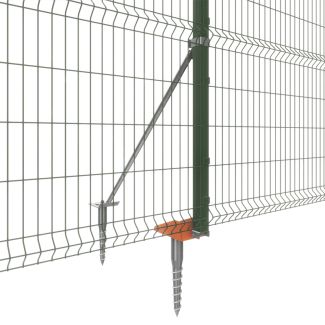
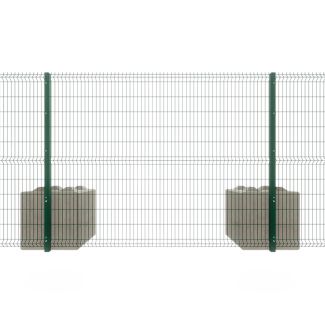
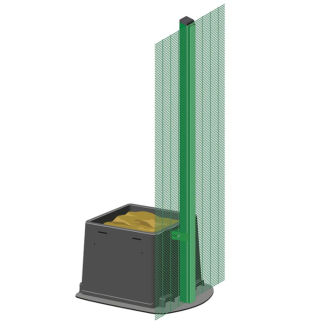
Where posts cannot be set into the ground, on-ground V mesh fencing bolts V mesh panels, stiffened by V-shaped folds along their length, to concrete blocks. It is the answer on hard standing over buried services, in car parks and on leased ground that has to be handed back undamaged, while V mesh fencing for permanent boundaries has its own range. Where V mesh panels are fixed straight to soil, concrete or asphalt, the V mesh fence feet locking system locks each panel down with a brace and bracket and lifts out for reuse.
Heras panels or rigid security fencing
Heras panels are the right choice when the perimeter is short-lived or keeps changing, as at events, on short works and on jobs where the fence line moves with the work, because panels lift out of their feet and re-clip quickly. Rigid security systems suit long programmes where the boundary stays in one position for many months, exposed and coastal boundaries, and sites that store high-value plant, fuel or materials. Many sites use both, with a rigid system around the compound and stores and heras panels around the working areas that change from week to week. For a moving line, start with anti-climb heras fence panels; for a fixed, exposed or high-value boundary, start with rapid deployment security fencing.
Heras fencing for construction sites and events
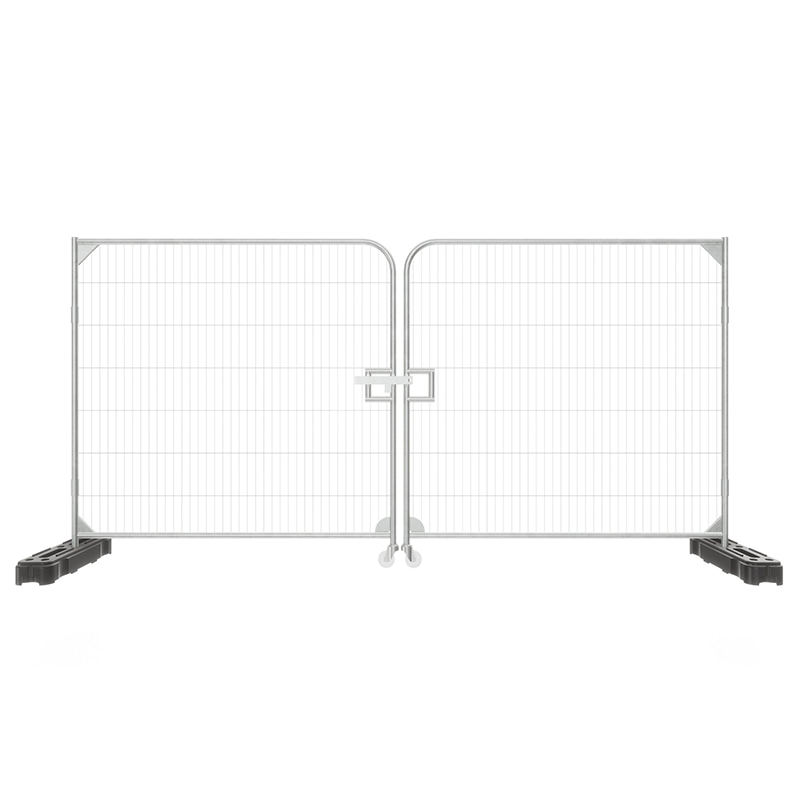
A site perimeter has to be continuous, with no gaps at corners, gates or where the line meets a building, and with every joint clipped. Mesh vehicle gates go where deliveries arrive, set back far enough for a lorry to pull in clear of the road and footpath, with a mesh pedestrian gate beside them so people do not walk in through the vehicle entrance. Where the line takes in a footpath or part of the road, the diversion and traffic management are planned under Chapter 8 of the Department of Transport's Traffic Signs Manual. Event lines go up and come down to tight schedules with the public walking close to them, so the whole line is checked before the gates open.
Heras fencing feet, ballast and wind loading
The right base depends on the ground under the line and how exposed it is to wind.
Rubber and anti-trip fence feet
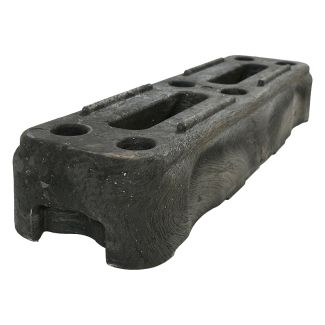
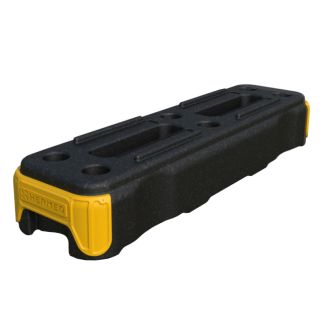
Most runs stand in rubber block fence feet, each taking the legs of two adjoining panels. On public walkways and event routes, hi-vis anti-trip fence feet are easier to see, which cuts trips on busy routes.
Stabilisers, block trays and ballast
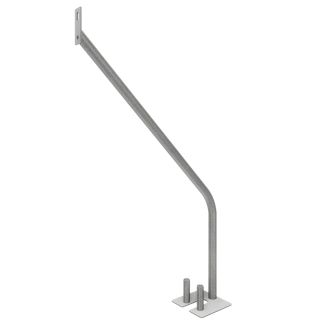
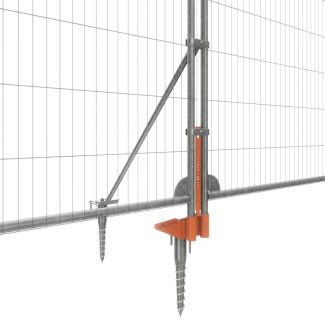
Angled braces fixed behind the panels hold the line upright against wind. On soil and grass, the fencing stabiliser and base plate is fixed down with ground pins driven through the location holes in its swivel base. On hard standing, where pins cannot go in, fence stabilisers with block trays are loaded with concrete fencing ballast instead. A stabiliser on every other panel is a common starting point, with more on exposed and coastal sites.
Water-filled fence bases
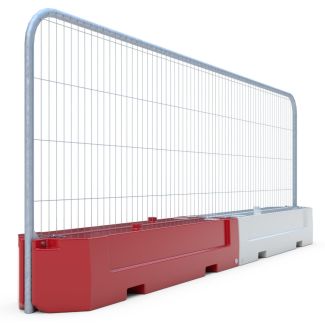
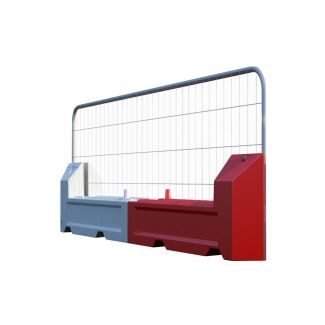
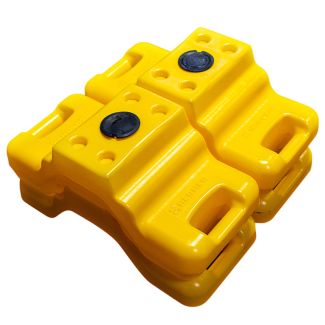
Bases filled with water on site are light to handle empty and heavy once full. The Slot Block water-filled fence base holds a standard panel along its full length, and the Aqua Base water-filled fence stabiliser is a low two-part set that also turns corners. Both suit city centre sites and car parks where nothing can be fixed into the ground.
Locking feet systems for hard and soft ground
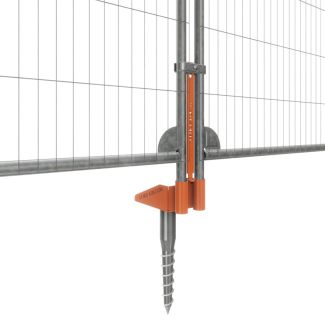
A bracket and locking strap hold the base of each panel to the ground in the mesh fence feet locking system, which takes soil, concrete or asphalt fixings. It is compact and anti-trip, it lifts out for reuse at the end of the job, and a stabilised version adds a brace for exposed lines.
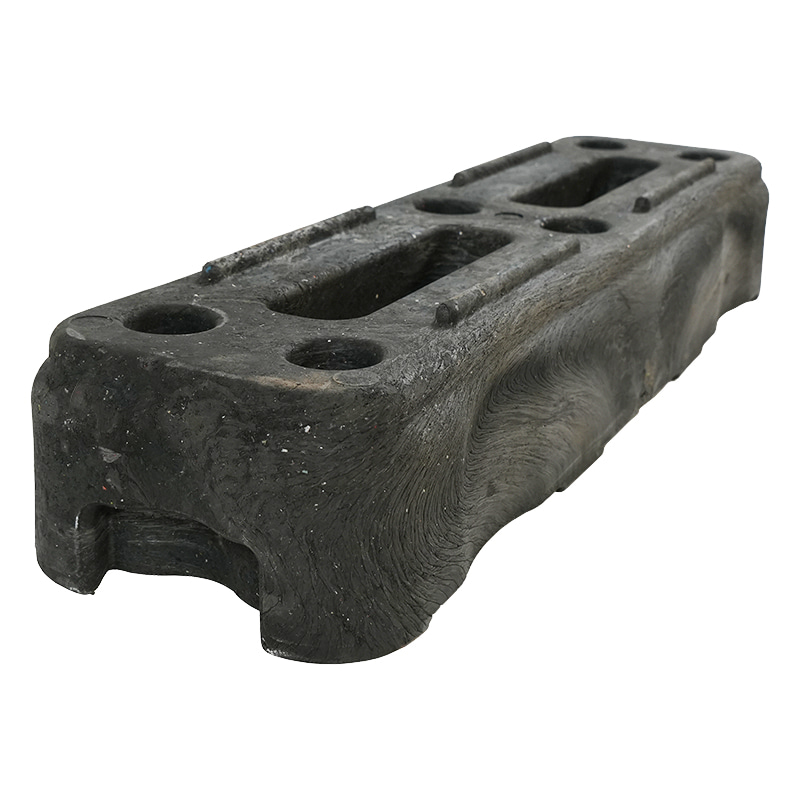
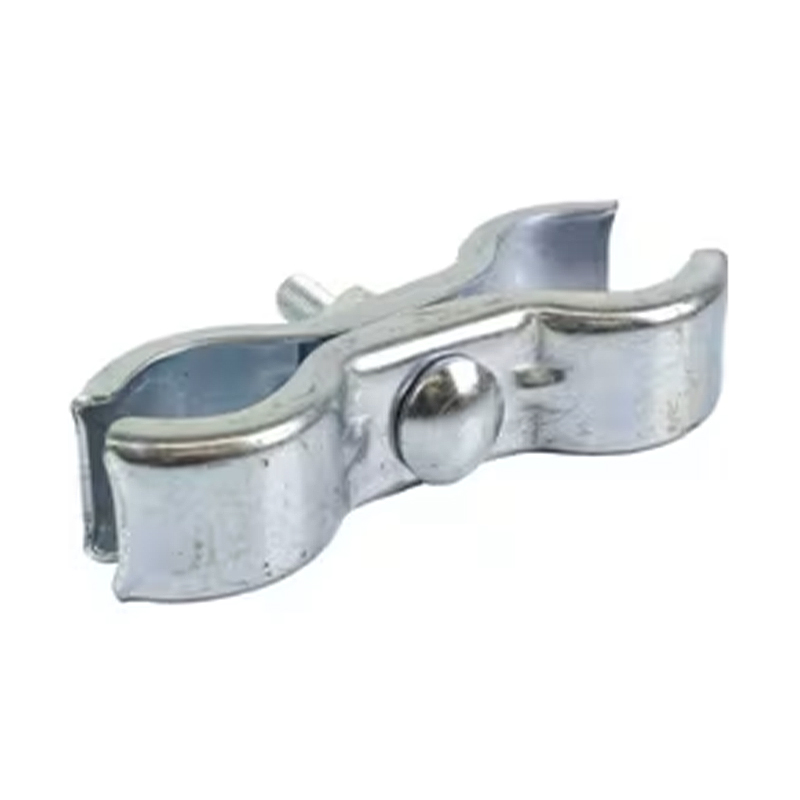
Heras fencing clips, gates, covers and netting
Fence clips and anti-tamper couplers
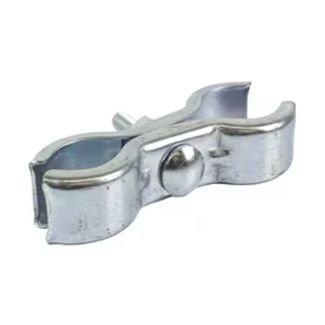
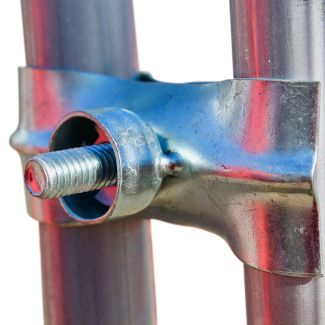
Adjoining panels are bolted together with heras fencing clips, also called couplers. Anti-tamper fence clips do the same job but can only be tightened or undone with the anti-tamper fence clip spanner, so the line cannot be opened with standard tools. Anti-lift fence brackets lock each panel to its foot, and anti-lift struts strengthen the joints where theft or vandalism is a risk.
Pedestrian and vehicle gates
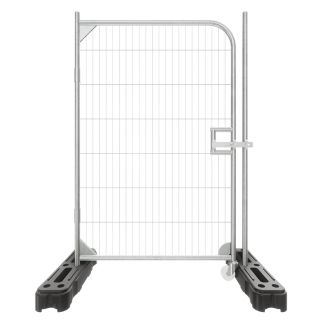
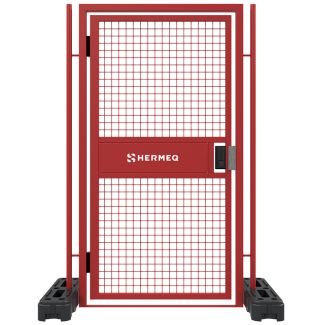
Mesh pedestrian and vehicle gates from the heras fencing gates range fit into the same line and clip to the panels either side. Where entry has to be limited to authorised people, a digital-lock pedestrian gate controls who walks onto the site.
Printed covers, banners and debris netting
Branding and project information go on printed heras fencing covers made to fit the standard panel, or on custom printed fence banners. Debris netting for heras fencing screens the line and stops debris passing through it. Where the boundary must be fully solid rather than screened, choose steel site hoarding or timber plywood hoarding.
Site entry signs
The site entry sign system carries safety and directional signs on its own base, which takes a panel or gate leg in place of a fence foot, so signs go up at the gate without adding wind load to the panels.
Popular Categories

Site Hoarding
View Products >

Site Gates
View Products >

Acoustic Barriers
View Products >
Frequently Asked Questions
The name comes from the Heras brand, whose temporary mesh panels became so widespread that it turned into the everyday word for any anti-climb panel standing in a foot. Harris fencing and herras fencing are common spellings of the same thing, and the trade also calls it site fencing, mesh fencing or temporary fence panels.
A straight run needs one foot at every joint plus one at each end, so ten panels in a line take eleven feet. Two clips per joint, one near the top and one near the bottom, is the recommended fixing, which gives eighteen clips for the same run. On a closed perimeter the number of feet equals the number of panels.
Yes. Open mesh lets most of the wind pass through, while a panel carrying a printed cover, banner or debris netting catches it like a sail, so a screened line needs more stabilisers and ballast than the same line left open.
The usual practice is to walk the full line at the start of each working day, after high winds and after any works that opened it. The check confirms that every clip is tight, every foot is seated, the ballast is in place and no panel is leaning. Damaged panels and missing clips are replaced before the site is left overnight.
Panels are stacked on dedicated fencing stillages, which hold up to 32 standard panels and have forklift guides, removable arms and feet that let one stillage stack on another. Rubber fence feet go on their own stillages, including drop-front versions that make loading the feet by hand easier.