







Timber Fence Panels
HERMEQ supplies timber fence panels and fencing timber for garden boundaries, screening and site hoarding. Pressure treated larch lap fence panels and feather edge fencing boards build a wooden fence line, with the boards fixed to notched posts and arris rails where a run is built in place. Structural plywood sheets put up temporary and semi-permanent hoarding around construction sites, fixed to timber posts that are usually concreted into the ground. Square and diamond lattice trellis panels carry climbing plants such as ivy in domestic gardens and commercial grounds.
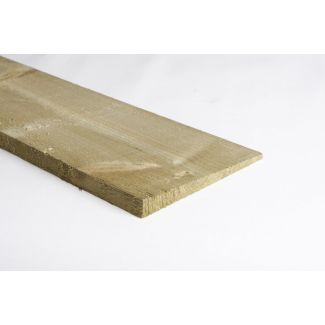
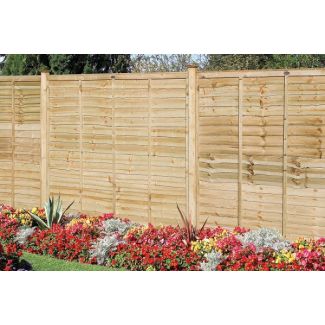
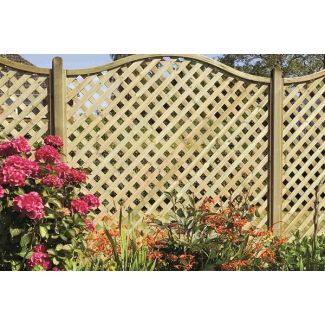

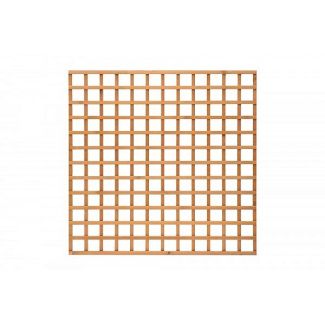

Lap panels, feather edge, plywood and trellis
The range splits into boundary materials, which close off a garden, property or site, and trellis panels, which screen an area or carry climbing plants on a wall or fence.
Larch lap fence panels
A lap panel, known in the trade as an overlap panel, is a framed panel of horizontal overlapping boards that fixes between two posts as one unit. Larch lap fence panels close a solid boundary a bay at a time.
Feather edge fencing boards
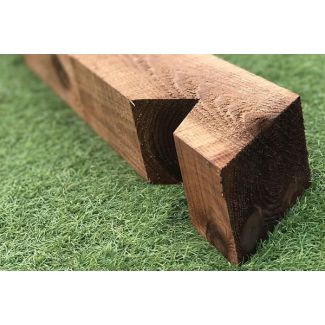
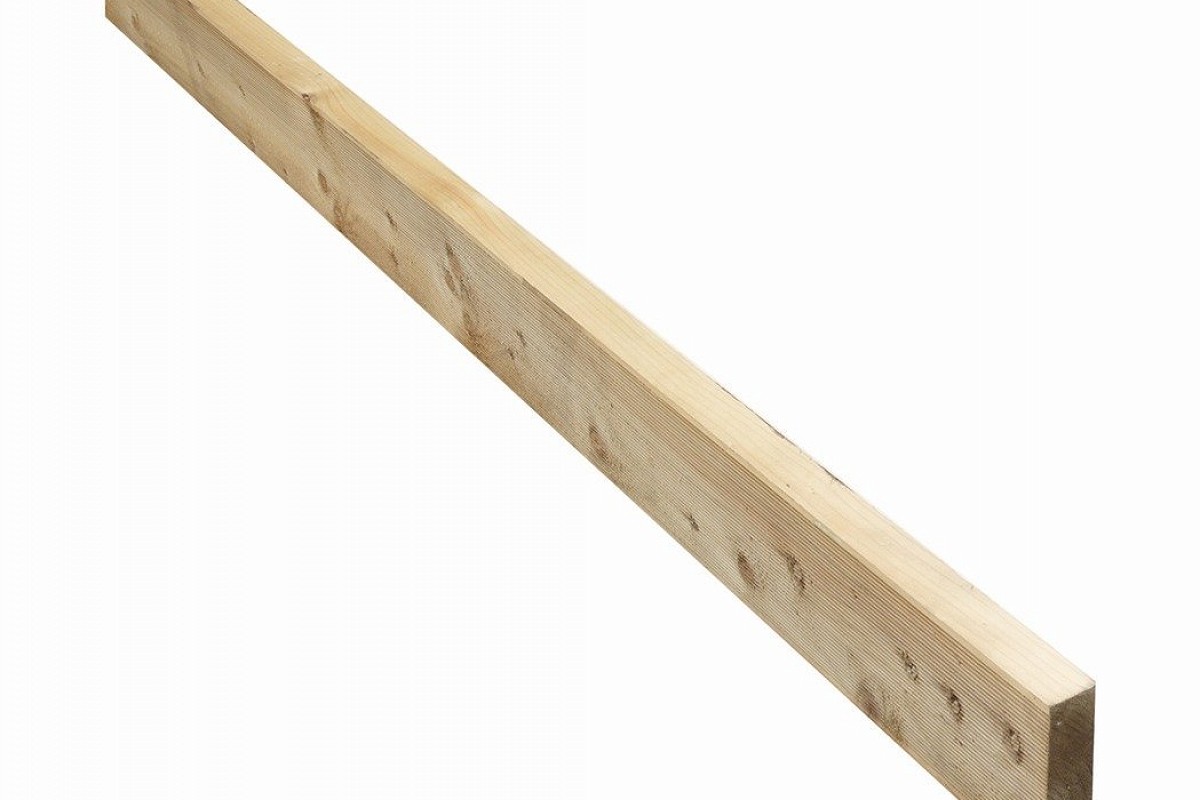
Featheredge boards are tapered across their width and overlap on the rails to build a closeboard fence, the solid board-on-board fence that is put together on site. Choose feather edge fencing boards for a boundary built in place on posts and rails, with a continuous face and no panel joints along the run.
Structural plywood sheets
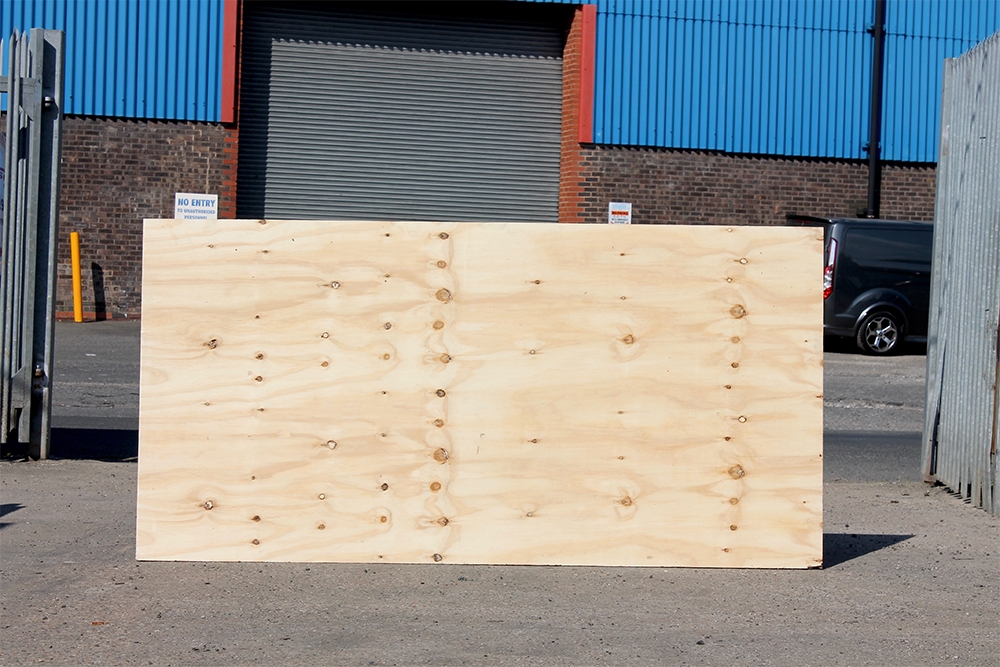
Plyboard, often called hoarding ply, is the sheet material for a solid boundary that has to go up quickly and stand for the length of a job. Structural plywood sheets on timber posts and rails enclose construction sites and works compounds with a continuous face that blocks the view into the works.
Square trellis panels
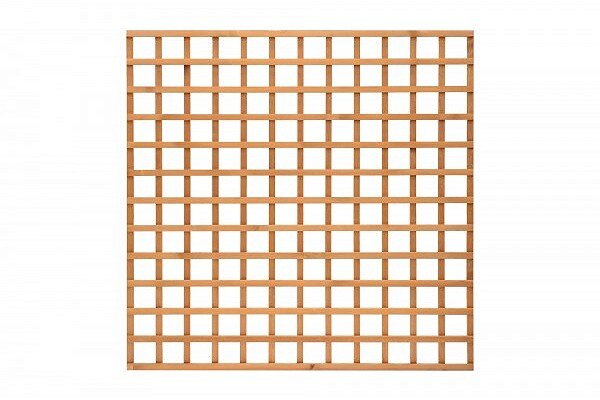
Square trellis is an open grid of battens that gives climbing plants a frame and breaks up a plain wall or fence. Square trellis panels suit ivy and other climbers in domestic gardens and commercial grounds, fixed flat to a wall, set above a fence or fixed between posts as a light divider.
Diamond lattice trellis panels
Diamond lattice sets the battens on the diagonal in a closer pattern than a square grid. Diamond lattice trellis is the choice where a panel has to screen a seating area or patio from the first day, before any plants have grown over it, and where the trellis itself is on show.

Fence panels or feather edge boards
A ready-made lap panel is the faster build where the ground is level and the run divides into whole panels, while featheredge on posts and rails is the better build where the ground slopes, the bays are irregular or the fence must finish at a height of its own.
Panels fix between posts set at panel centres, so the posts are set out in one pass along a string line and each bay is closed as soon as its post is firm. On a slope the panels step down the fall, which leaves a stepped top line and a triangular gap under each step that a gravel board closes.
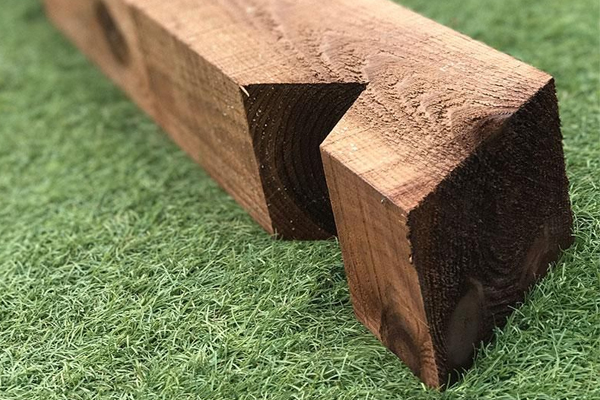
A closeboard fence is built from notched timber posts with arris rails housed in the notches and featheredge boards nailed to the rails, each board overlapping the last. Because the boards go on one at a time, a bay can be any length, the rails can run parallel to a slope and the top line can follow the ground or stay level. Arris rails and plain posts for both builds are in the timber posts and arris rails range.
Fence panel sizes and heights
The lap panels in the range share one standard width and come in heights up to 1.8m, from a low front garden boundary to a full-height privacy fence. Trellis comes in several widths on the same length as the panels, so a narrow strip sits on top of a panel as a topper and the widest sizes make a screen of their own.
A fence close to 2m high is built from a full-height panel standing on a gravel board, with a strip of trellis above where the boundary needs more height or a lighter top line.
For a low edge along a path or a planted bed, the narrower trellis sizes laid on their side give an open edge, and a solid low run is built from featheredge boards cut down and fixed to two rails.
Garden fencing, screening and site hoarding
Garden and property boundaries
A boundary between gardens, round a housing development or along commercial grounds needs a closed face, posts that stay plumb and a base kept off the soil. Larch lap fence panels close it a bay at a time, and feather edge fencing boards on notched posts and arris rails close it in one continuous face, both standing on a gravel board. Metal railings and the other boundary types are in the garden fencing range.
Privacy screens and climbing plants
Trellis and lattice screen a patio, a bin store or a utility area without the closed feel of a solid fence, and they give ivy and other climbers a frame on a bare wall or an existing fence. A screen that stands on its own needs posts set as firmly as a fence post, because a planted trellis catches more wind as the growth thickens.
Construction site hoarding
Timber plywood hoarding is a run of structural plywood fixed to horizontal rails on timber posts, with the posts concreted into the ground so that the boundary stays rigid for the life of the job. The posts are set out to the sheet width so that every sheet joint lands on a post, and raking braces on the inside hold the line where the hoarding is long or exposed. Semi-permanent hoarding for a longer project is built the same way with heavier posts set deeper, and where hoarding stands on a public footpath or road, the local authority's hoarding licence is in place before it goes up.
Treated finishes, posts and gravel boards
Green or brown pressure treatment
Lap panels, featheredge boards and notched posts all come in a green or a brown pressure treated finish, and a fence reads as one piece when every part of it is bought in the same finish.
Posts for panels and featheredge
Panels fix to plain square posts with clips or screws through the panel frame, so the post needs a flat face and no notches. Featheredge needs notched posts, with the notches at the heights the arris rails will run. For both builds, the post length allows for the depth set in the ground, the gravel board and any trellis above the fence, and a heavier post section suits a taller or more exposed run.
Gravel boards at ground level
Gravel boards run along the foot of the fence, under the panel or the featheredge, so the board in contact with soil and rain splash is the one replaced when it wears and the fence above is left untouched. Where the ground on one side sits higher than the other, the soil is held back with timber sleepers and the fence stands behind them, because a gravel board is not made to retain earth.
Popular Categories

Timber Fence Posts & Rails
View Products >

Timber Sleepers
View Products >
Frequently Asked Questions
Do pressure treated fence panels need painting?
No. Pressure treatment protects the timber against rot, so paint or stain on a treated panel is a choice of colour. Leave new treated timber to dry through a spell of dry weather before applying a water-based fence stain, and recoat when the colour fades.
How do you stop fence panels rattling in the wind?
A panel rattles when it has room to move between its posts. Fit panel clips at the top and bottom of both posts, screw through them into the panel frame, and pack any gap between frame and post with treated timber before fixing.
Should fence posts be set in concrete?
Concrete is the usual way to set timber posts for panels, closeboard and site hoarding, because it holds the post plumb against the wind load on a solid fence. Finish the concrete just above ground level with a slope away from the post, so rain runs off and does not collect around the timber. Keep the post braced plumb until the concrete has set.
Can a fence panel be shortened to fit the last bay?
Yes. Remove the end frame batten, cut the panel to width, refix the batten at the new end and nail the boards back to it. Brush an end grain preservative onto every cut face before the panel goes in.
Can plywood hoarding be painted in site colours?
Yes. Structural plywood can be primed and painted with exterior paint, and site hoarding is often finished in the client's or the contractor's colours with signage fixed on top. Seal the sheet edges and any cut faces before painting, because that is where water gets into the plies.
How high can a garden fence be without planning permission?
A wooden fence around a house is exempted development up to 2m high, or up to 1.2m where it bounds the garden in front of the house. A taller fence needs planning permission from the local council. The exemption does not apply on a protected structure or where a planning condition restricts boundaries, so check first in those cases.