







Parking Barriers
HERMEQ supplies parking barriers and security barriers for car park entrances, private bays, driveways and commercial forecourts. The range covers manual and automatic raise arm barriers, swing gates, bi-folding speed gates, automatic rising bollards, fixed bollards and parking posts that fold down, retract, telescope or lift out. The manual raise arm barrier is a low maintenance way to control a site entrance by hand. Directional traffic safety bollards show drivers which lanes to use to enter and leave the car park.




Parking barriers for car park entrances
Arm barriers lift for each vehicle and keep traffic moving through an entrance in daily use, while gates and rectangular barriers close the whole opening when the car park shuts.
Manual raise arm barriers
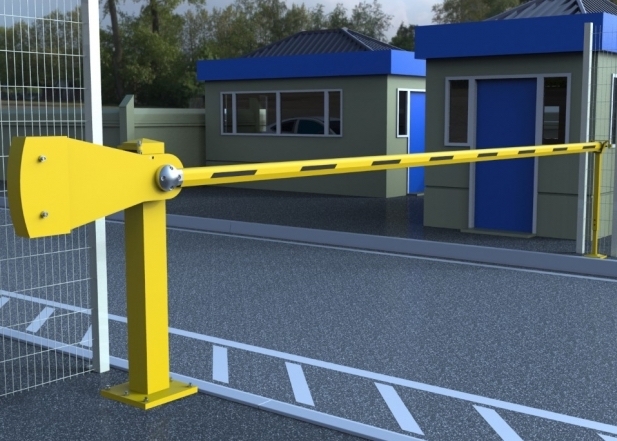
A manual raise arm barrier, also called a rising arm or boom barrier, is lifted and lowered by hand at the post. It suits staffed gates, site compounds and staff car parks where someone is present to let vehicles through, and it is low maintenance because there is no motor or control gear to service.
Heavy duty raise arm barriers for wide entrances
Across the range, arm barriers span openings from 3 m to 9 m, and the heavy duty raise arm barrier covers the widest of them. Choose it for yard, depot and lorry entrances that are too wide for a standard arm to cross in a single span.
Automatic raise arm barriers
An automatic raise arm barrier, often called a boom gate or an electric car park barrier, is the usual choice at checkpoints and at the entrances to business parks, apartment developments and restricted areas. The arm opens on a signal from the access control system, so authorised drivers come and go without anyone at the gate.
Swing arm gates and rectangular barriers
A swing arm access gate swings across the opening from its hinge post, and it is the swing car park barrier to choose when an entrance has to be closed at night or over a weekend. The rectangular car park barrier is a galvanised steel framed barrier for the same job at car park entrances and exits.
Bi-folding speed gates
Bi-folding speed gates run without a ground track, and their leaves fold on a hinge between them, so they open quickly and need less room than a single leaf gate. They are built for secure sites where the gate opens many times a day and where opening speed and security both matter, such as depots, logistics yards and secure compounds.
Automatic rising bollards
Automatic rising bollards are stainless steel bollards that rise from the ground to stop vehicles and lower to let authorised ones through. Pedestrians and cyclists pass between them at all times, so they suit pedestrianised streets, campuses and building approaches where an arm or gate would block foot traffic.
Height restriction barriers
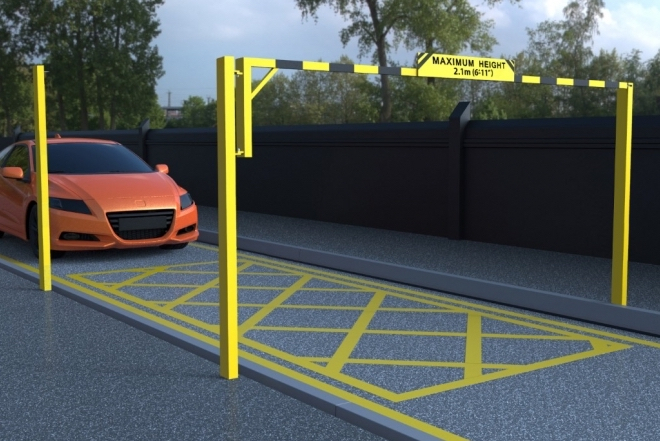
A height restriction barrier, or height restrictor, spans the entrance overhead and keeps vans, lorries and other high vehicles out of underground, low level and staff car parks. It limits vehicle height and controls nothing else, so a low car park that must also be secured needs an arm barrier or gate at the same entrance.

Manual or automatic raise arm barrier
A manual barrier suits staffed gates, site compounds and car parks opened and closed at set times, while an automatic barrier suits shared entrances where many authorised drivers arrive at different times of day. The manual arm needs no power supply at the entrance, so it can go in where bringing a cable to the post would mean breaking out the car park surface, and the person who lifts it decides who passes. An automatic barrier needs power and cabling at the post. A site with a busy main entrance and a quieter service gate can use an automatic barrier on the first and a manual barrier on the second.
Parking posts and security bollards
Parking posts reserve a single bay or close a driveway and lower out of the way for the keyholder, while fixed bollards block vehicles permanently and leave the area open to pedestrians.
Fold down parking posts
Stealth Posts are fold down parking posts that lock upright to hold a bay and fold flat so the keyholder can drive over them. They suit allocated bays in apartment, office and hotel car parks, where each space belongs to one user.
Retractable parking posts
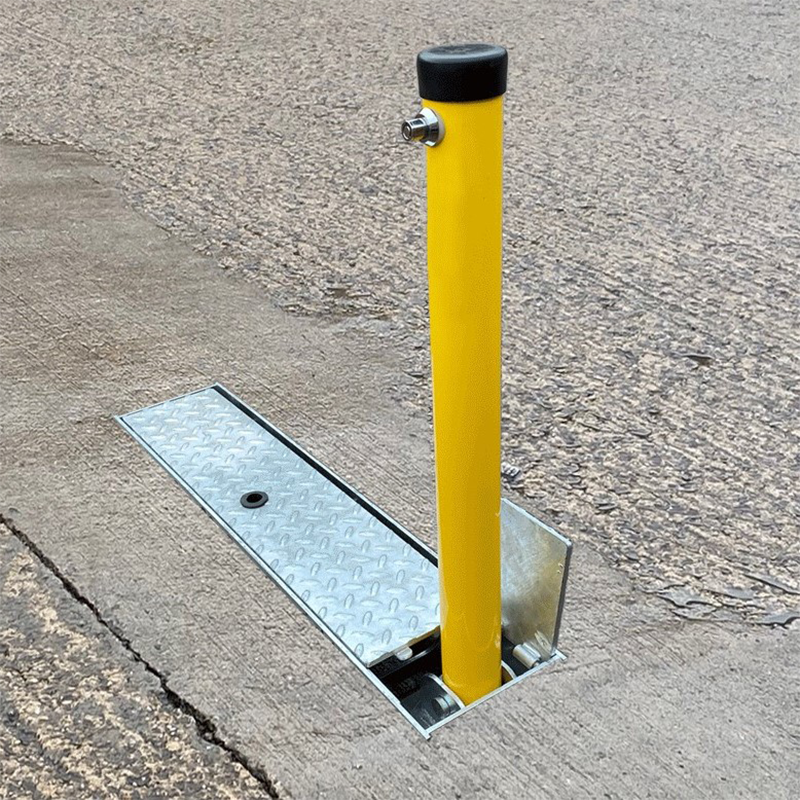
RetractaPosts lower into the ground when unlocked and leave the bay or driveway clear to drive across. They come as padlockable retractable parking posts or as the RetractaPost GL, a retractable parking post with integral lock.
Telescopic security posts
Telescopic security posts lower into the ground and can be removed, unhinged or locked in place. They suit commercial sites that need a secure barrier across an access route which authorised vehicles still use regularly.
Removable parking posts
Removable parking posts lift out of their base and are stored away when not needed. Choose them for access routes, gateways and bays that are closed only now and then, such as a fire route or a delivery gate opened for a set job.
Fixed stainless steel and mitre top bollards
Fixed stainless steel bollards stay in place for good around pedestrian precincts, footpaths and parking areas, and in front of shopfronts at risk from ram raiders. Mitre top bollards have an angled head and stop unauthorised parking in communal areas. Every post and bollard HERMEQ supplies is listed under parking bollards and posts.
Locks, finishes and fixings
Keyed alike, randomly keyed or padlockable
Identically keyed posts all open with one key, which suits a facilities team or fleet manager who looks after every post on a site. Randomly keyed posts give each user a key that opens only their own post, the right choice for allocated bays in apartment blocks and shared offices. Telescopic security posts can be supplied with suited keys, and padlockable posts take a padlock of your own choosing. The RSP removable post comes with a high security lock, and the RetractaPost GL has an integral lock, so neither needs a separate padlock.
Galvanised or stainless steel
Galvanised steel suits general outdoor use in car parks, yards and driveways, with coloured bands where posts need to stand out. Stainless steel is the choice where appearance matters, in public realm schemes, shopfronts and building entrances.
Ragged or flanged fixing
Ragged bollards and posts are cast into new concrete, so they suit new surfaces or ground that is being dug up anyway. Flanged versions bolt down to an existing slab and go in without breaking out the surface. Telescopic security posts need groundwork before they are fitted, so plan the excavation and concrete into the job before the posts arrive. The surface on site decides the fixing, and it is the check to make before ordering.
Car park safety accessories
Once vehicles are past the car park entrance and exit barriers, these products control how they move, slow down and park.
Speed bumps
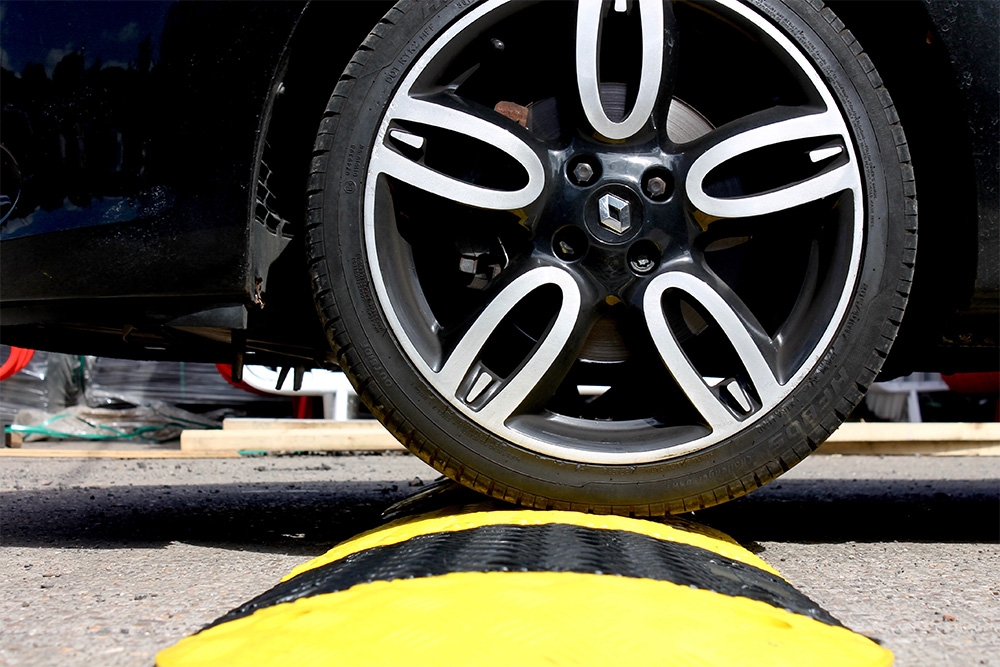
Car park speed bumps bolt down across access roads and the approach to barriers, and slow traffic to about 16 km/h. They are made up in sections, so a run can be built to the width of the lane.
Wheel stops and parking spacers
Wheel stops sit at the head of a bay and stop a car before it reaches a wall or footpath. Parking spacers define each bay and keep vehicles away from buildings and pedestrians, and where rubber kerbs are not strong enough, steel base mounted kerbs mark the edge of a bay or route.
Wall guards and wall protectors
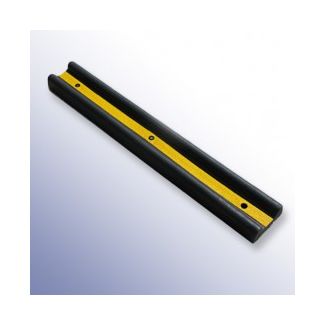
Parking wall guards fix to walls and columns in car parks and garages to stop vehicles damaging the structure. Vehicle wall protectors have a double D profile with high visibility strips for the same places.
Flexi cylinders and traffic safety bollards
Flexi cylinders separate lanes and self-right after being struck, without damaging the vehicle, and traffic safety bollards come in single sided and double sided versions.
Impact protection hoops, rails and bollards
Corner protection hoops guard building corners from vehicles turning tight. A low level protection rail runs along walls, racking and machinery close to the ground, and hooped perimeter barriers protect stock and plant in yards and loading areas. Yellow and black bollards give high visibility protection indoors and outdoors.
Popular Categories

Crowd Control and Pedestrian Barriers
View Products >

Traffic Barriers
View Products >

Expandable Barriers
View Products >
Frequently Asked Questions
Fold down Stealth Posts suit allocated bays where the keyholder drives over the folded post every day. RetractaPosts and telescopic security posts lower into the ground and leave the bay or route clear to drive across, and telescopic posts suit commercial access routes that authorised vehicles use regularly. Removable posts lift out of their base for routes opened only now and then, such as a fire route or a delivery gate.
A parking post folds, retracts or lifts out so the keyholder can drive in, and it guards one bay, a driveway or an access route. A fixed bollard stays upright for good, blocking vehicles while leaving the area open to pedestrians. Automatic rising bollards do both, lowering to let authorised vehicles through.
A driveway or single bay is closed with one or more parking posts, which lock upright when the owner is away and lower or lift out to drive in. A wider driveway takes two or more posts spaced across the opening so a car cannot pass between them.
On a quiet site where entry and exit share one opening, a single barrier can control both directions. A busy car park runs more smoothly with a barrier on each lane, so arriving and departing vehicles do not wait for each other.
A raise arm barrier is fixed to a level concrete base at the post, which should be in place and cured before the barrier arrives. An automatic barrier also needs ducting laid for power and control cables, and any ground loops cut into the surface.