







Sheet Piles & Trench Sheets
HERMEQ supplies sheet piles and trench sheets for shoring excavations and groundworks: overlapping trench sheets, interlocking trench sheets and hot rolled U piles, with Z piles for heavier retaining work. Trench sheets and U piles hold back the sides of an excavation so that work can continue safely below ground level. The cold rolled trench sheets and sheet piles are designed to be handled and installed by an excavator, with the bucket driving each sheet vertically into the ground. Alongside them, HERMEQ supplies shoring equipment including trench boxes, manhole boxes and trench edge protection systems.



Types of sheet piles and trench sheets
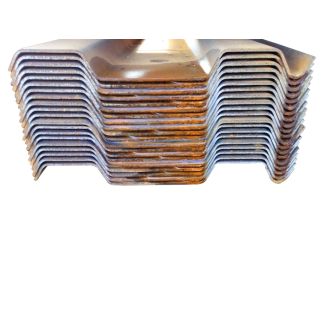
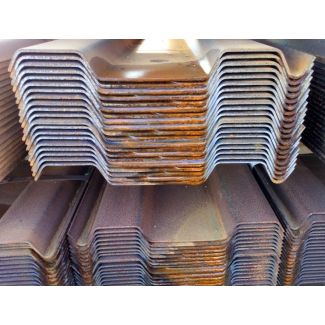
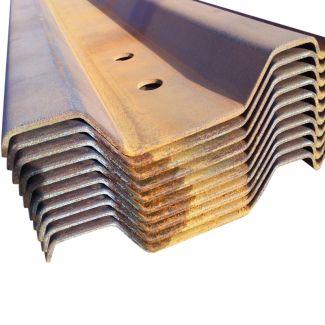
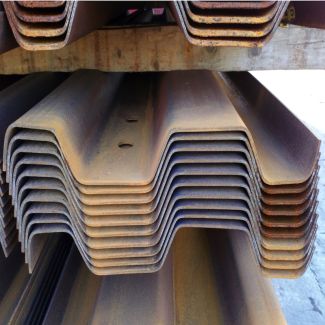
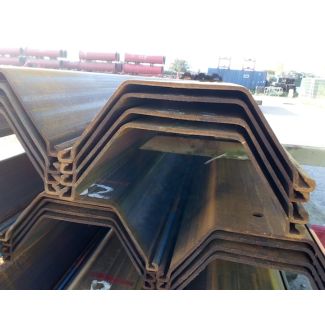
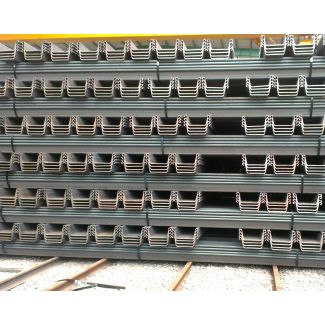
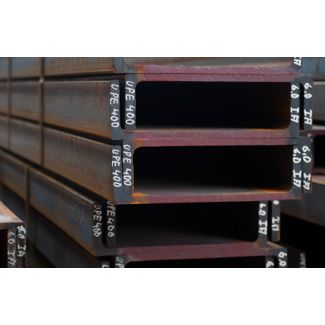
The range divides into lighter cold rolled trench sheets, from 3.5 mm to 8 mm thick, for supporting trenches and excavations, and heavier U and Z piles for deep excavations and permanent retaining walls.
Standard lap trench sheets
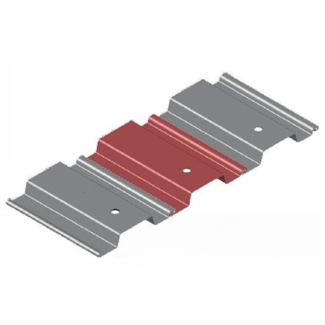
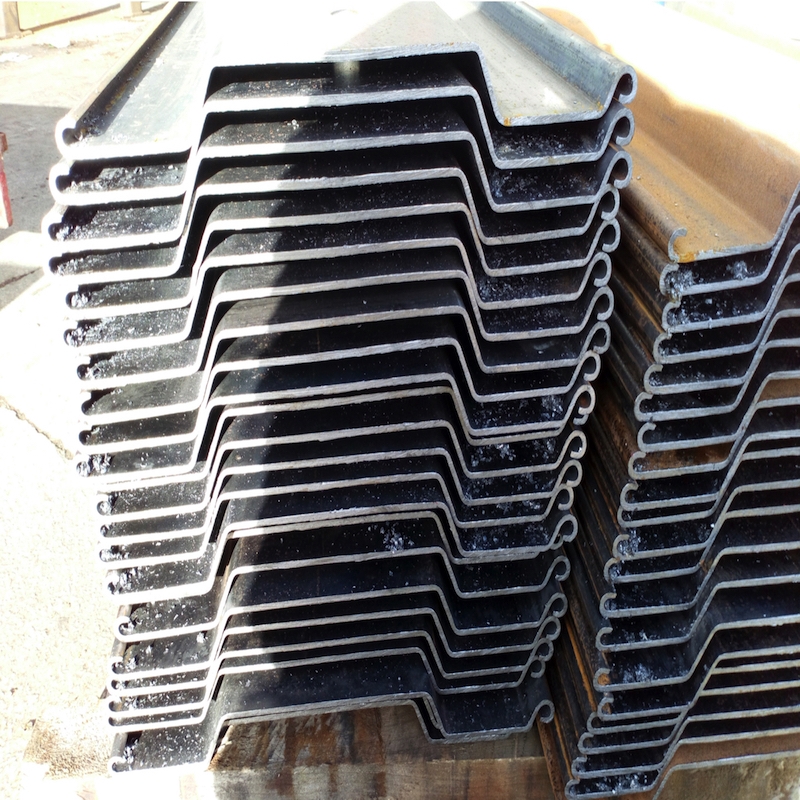
Standard lap trench sheets are the lightest profile in the range and the usual sheet for shallow service, drainage and utility trenches. They are quick to handle and can be pitched and pushed with a small excavator, which suits short runs along a road or footpath where the trench is open for a short time.
KKD, FKD and KD6 heavy duty trench sheets
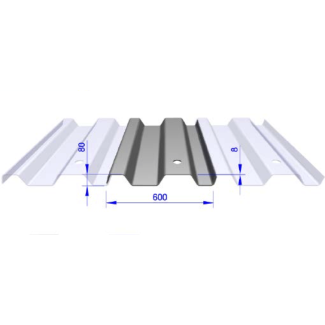
These are the heavier overlapping sheets, chosen once an excavation is deeper than a standard lap sheet suits. KKD 600/6 trench sheets are the most popular of them and the general choice for small and medium excavations. FKD 400/6 (KD4) sheet piles are a heavier version of the standard lap for construction work, and KD6 600/8 trench sheets are the heaviest overlapping profile, for the deepest trench sheet work and the hardest driving.
Interlocking trench sheets
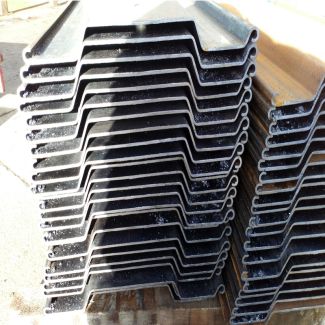
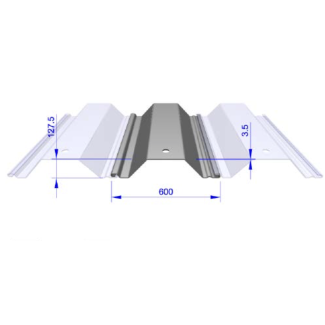
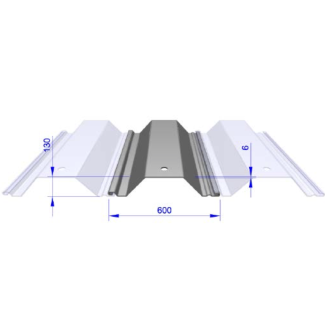
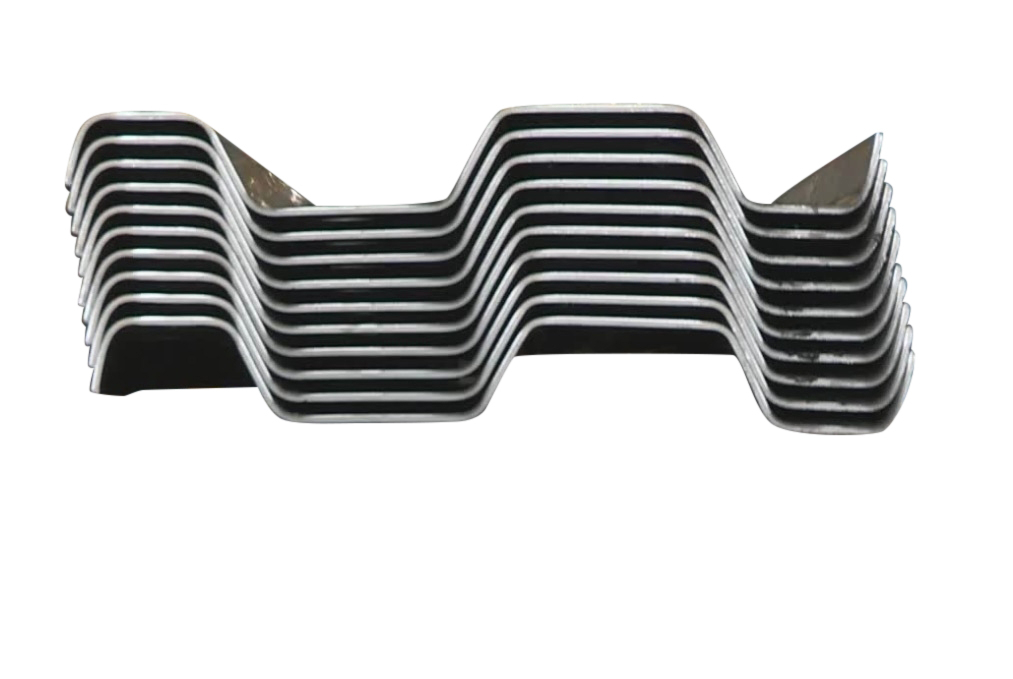
Interlocking trench sheets connect edge to edge, so the run forms one continuous face. FLP 600/3.5 interlocking trench sheets are the lighter gauge of the FLP profile and FLP 600/6.0 trench sheets the heavier. MX500 interlocking trench sheets are a heavy duty profile for demanding groundworks and excavations where holding the ground back is the first concern.
L8 interlocking sheet piles
L8 interlocking sheet piles are cold rolled sheets whose edge profile slots into the next pile along the run. They suit trench and excavation support where a joined wall is wanted, and they are the profile used for tie-back walls on rivers and canals. Galvanised L8 sheet piles are galvanised after manufacture for protection against corrosion, for walls that stay in the ground or face water for a long time.
U piles
U piles are heavier interlocking sheet piles that form a continuous wall, used for deep excavations and for retaining walls in temporary or permanent works. HERMEQ supplies ThyssenKrupp Larssen U piles and ArcelorMittal GU U piles, each across a series of profiles, so the section can be matched to the design.
Z piles
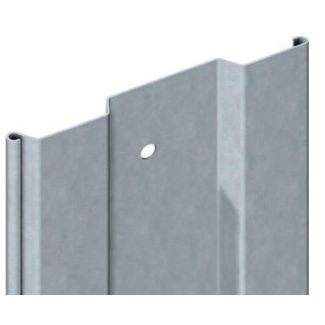
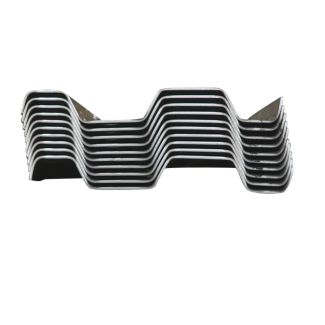
Z piles are heavy sheet piles for deep excavations and permanent retaining walls, supplied across a series of sections so the profile can be matched to the design.
Trench sheets vs sheet piles
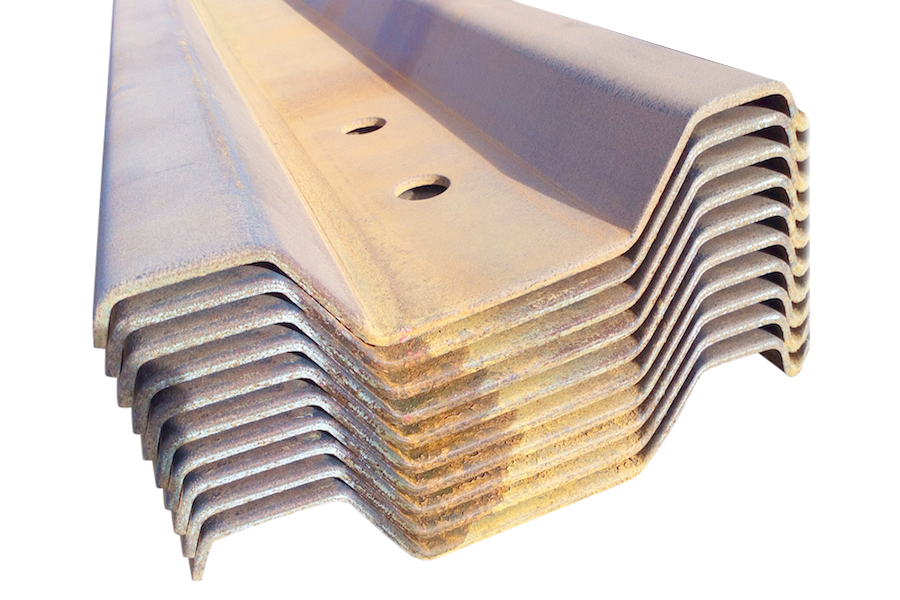
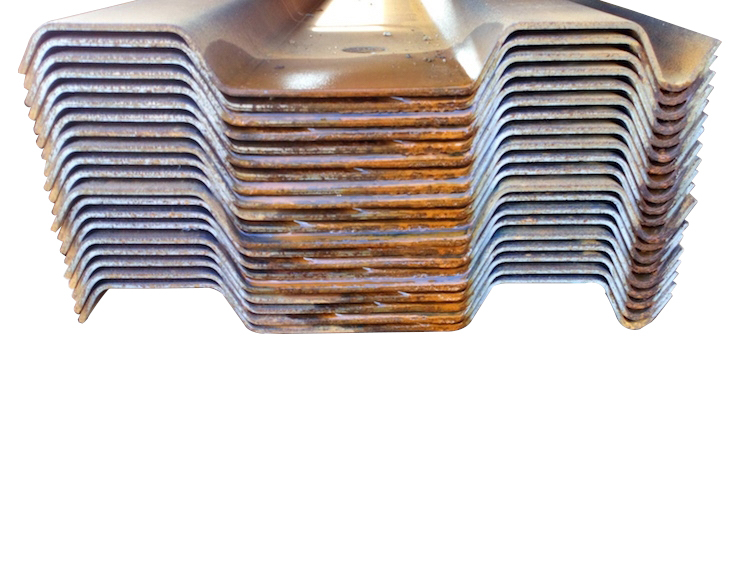
Trench sheets are the lighter, temporary end of the range, and sheet piles are the heavier end, able to form a permanent wall. Trench sheets are cold rolled profiles pitched and pushed in with an excavator bucket to hold the sides of an excavation for the duration of the work.
On site the names are used loosely, and trench sheet piles, piling sheets and steel sheet piling can all mean either. The L8 sits between the two: it is a cold rolled sheet light enough to install like a trench sheet, with interlocking edges that make it a sheet pile in name and in use.
Overlapping or interlocking trench sheets
Overlapping sheets suit shallow and medium work in ground that stands up while the sheets go in, and interlocking sheets suit loose ground and longer lengths. A lap sheet sits over the edge of its neighbour with no joint to engage, so it is quick to pitch and drive. An interlocking sheet joins its neighbour through a clutch along the edge, which gives a stronger connection and a closed face that holds back loose or running ground.
Interlocking profiles connect only to the same profile, so an FLP sheet will not lock into an L8 or an MX500. In ground that stands while the sheets go in, standard lap and KKD sheets are the quicker choice; in loose or running ground, choose FLP, MX500 or L8 interlocking sheets.
Sheet piling for trenches, basements and riverbanks
The depth of the dig, how long it stays open and what the wall holds back point to different parts of the range.
Drainage, water and utility trenches
Trenches for drainage, water mains, gas and cable ducts are usually narrow and run along roads and footpaths, so sheets go in and come out quickly as the trench moves along. Standard lap and KKD sheets do most of this work. Exposed and re-laid services are protected with the underground service protection range, and where a trench crosses a road and has to stay open, road plates carry traffic over it.
Foundation and basement excavations
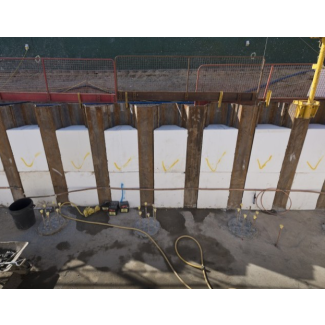
Foundation, basement and manhole excavations in groundworks and civils go deeper and stay open longer, often beside buildings, roads or working plant. The heavier overlapping sheets or an interlocking run carry the face, braced or propped to the temporary works design.
Riverbank, canal and retaining walls
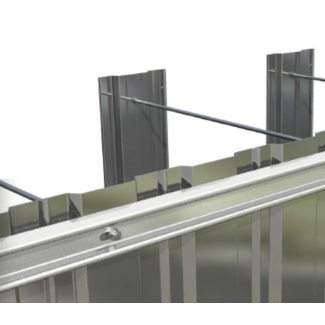
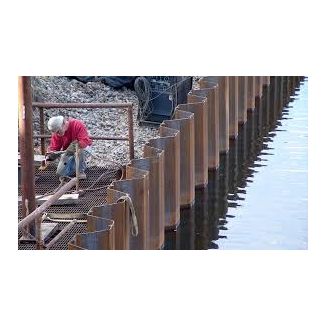
Along a river or canal, L8 sheet piles form a tie-back wall. A front line of L8 sheets faces the water, an anchor line of L8 sheets is set back in the bank, and waling bars run across the face of the front sheets. Retaining walls on road schemes and larger river works use U piles, whose heavier section forms the continuous wall.
Trench sheet lengths, thickness and re-rolled sheets
Sheet length and toe depth
A sheet has to cover the full depth of the dig plus a toe driven below formation level, and the temporary works design sets that toe depth for the ground and the loads. Cold rolled sheets in the range run from 1 m to 8 m, so the length ordered is the dig depth plus the toe, rounded up to the next available length, with enough sheet left above ground to take the driving cap and the extractor.
Sheet thickness
The lighter gauges are easier to handle and suit shallow trenches in ground that drives easily. Heavier gauges take over as the dig gets deeper and as driving gets harder in firm or stony ground, since a thicker sheet is stiffer and stands up better to hard driving at the head and toe. In the FLP profile, the 6.0 gauge is the one to choose when longer lengths are installed.
New or re-rolled trench sheets
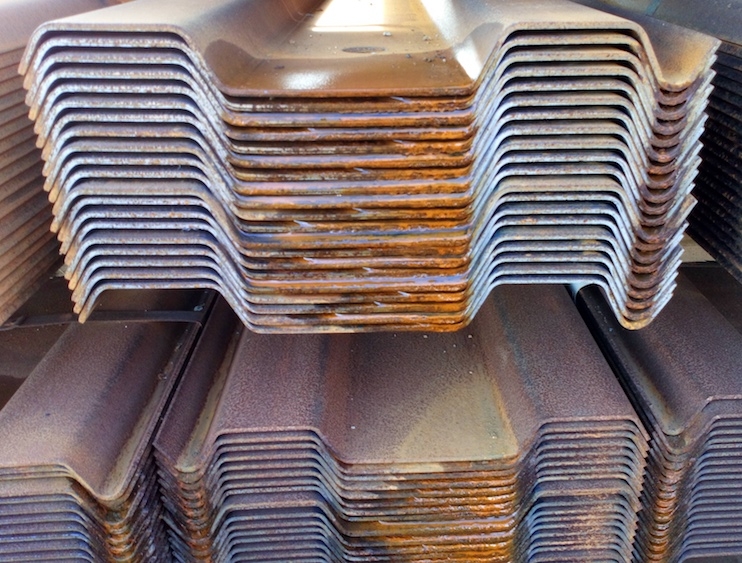
Re-rolled sheets are used sheets reworked through a re-rolling machine to bring them back to their original profile. HERMEQ carries re-rolled standard lap trench sheets and re-rolled KKD trench sheets. Trench sheets are driven, pulled and reused as a matter of course, and there is very little difference in use between a new and a re-rolled sheet of the same profile, which is why re-rolled sheets are a common buy for trench work.
Pitching shackles, driving caps and other trench sheet accessories
Pitching shackles and trench sheet extractors
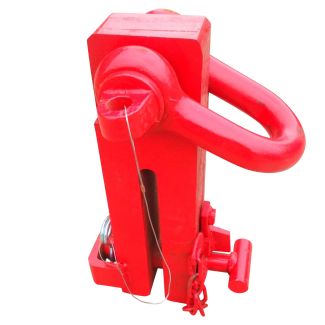
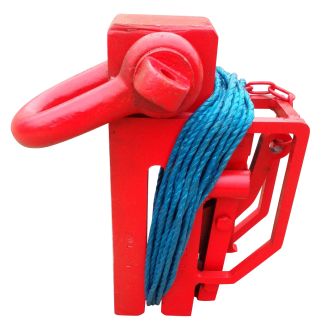
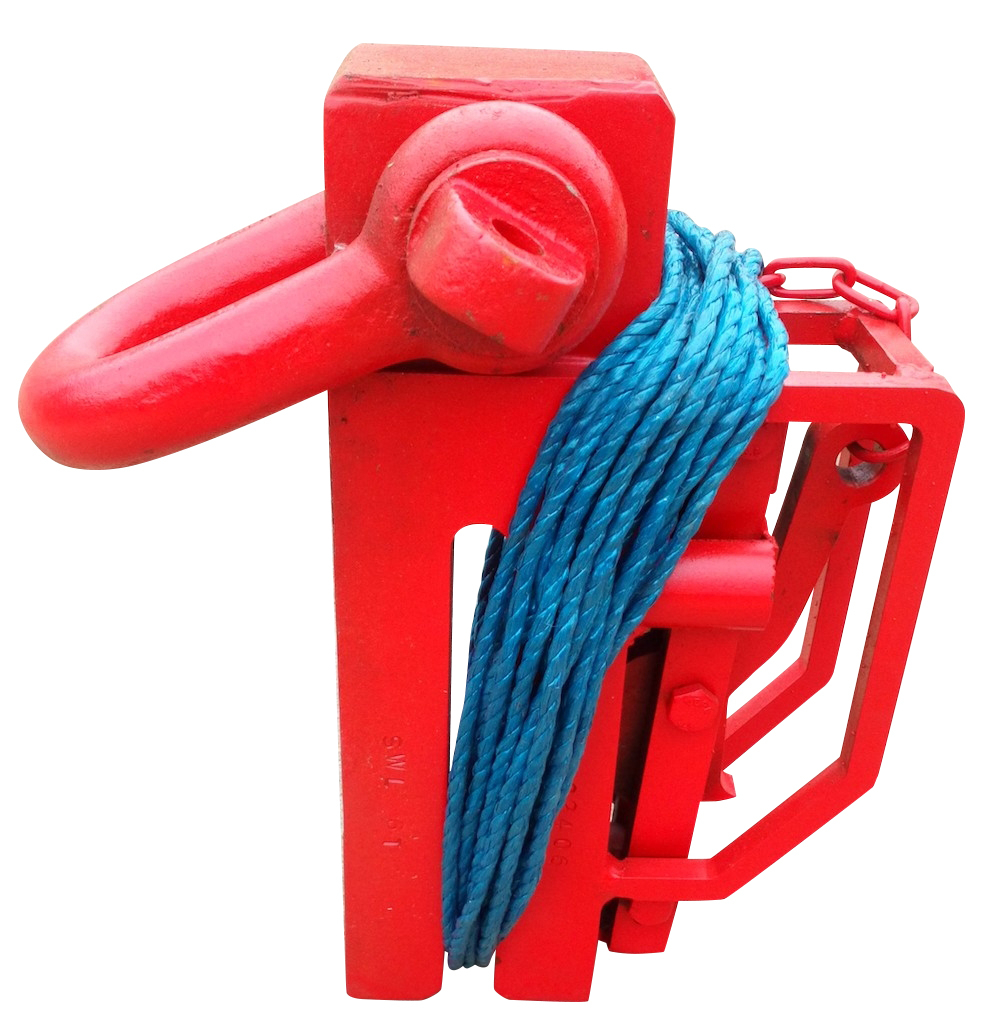
Pitching shackles grip a sheet so it can be lifted and stood in position for driving, and trench sheet extractors grip it for pulling out of the ground. Each is made for its own job: a pitching shackle is not used to extract a sheet, and an extractor is not used to pitch one, so a site that installs and removes its own sheets needs both.
Driving caps
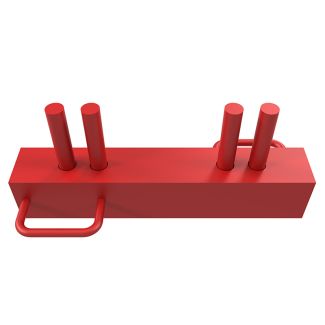
A driving cap sits on the head of the sheet while it is driven and limits damage to the top of the sheet. Trench sheet driving caps come in standard, FKD, KKD and L8 styles, each shaped to its own profile, so the cap is ordered to match the sheets being driven.
Trench struts and L8 waling bars
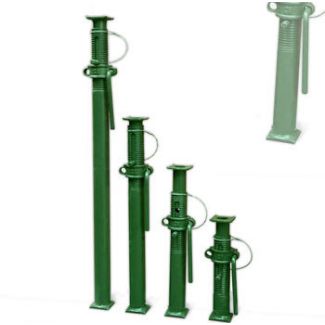
Adjustable trench struts brace the sheets across the trench: set horizontally between opposite faces, they are pushed out and locked against the sheets to hold the walls apart. L8 waling bars are the walers for the L8 tie-back wall, overlapping one another along the face and held by the tie rods.
Edge protection clamps
Sheet pile edge protection clamps fix barrier posts to the tops of trench sheets or sheet piles, so an edge barrier can stand along an open excavation.
Sheet pile infills
Where a sheet pile wall is left exposed, Cordek sheet pile infills fill the open pans in its face.
Popular Categories

Road Forms
View Products >

Trench Covers & Road Plates
View Products >

Bog Mats
View Products >
Frequently Asked Questions
Each sheet is lifted with a pitching shackle, stood upright in its position on the line and pushed into the ground with the excavator bucket, working along the run a little at a time so the sheets go down together. In firmer ground the dig and push method is used: the excavator digs a short depth inside the line, pushes the sheets down and repeats until they reach toe depth.
Divide the length of each face by the effective width of the sheet, round up, and repeat for every face to be sheeted, including the ends of the trench where they are supported. The effective width is the cover each sheet gives once lapped or interlocked with the next, which is less than its overall width, and each product page gives it.
In names such as KKD 600/6, FKD 400/6 and FLP 600/3.5, the first number is the nominal effective width of the sheet in millimetres and the second is its thickness in millimetres. The letters identify the profile family, which decides whether the sheet overlaps or interlocks and which driving cap it takes.
Under the Safety, Health and Welfare at Work (Construction) Regulations 2013, the client appoints a Project Supervisor for the Design Process (PSDP) and a Project Supervisor for the Construction Stage (PSCS), and excavation support is planned within that framework. In practice a temporary works designer sets the profile, length, toe depth and propping for the ground and the loads.
Services are located from the network owners' records and with a cable locator before any sheet goes in, as the HSA Code of Practice for Avoiding Danger from Underground Services sets out, and their line is marked on the ground. Trial holes dug by hand confirm the position and depth of each service where sheets will be driven close to it.