







Acrow Props
HERMEQ supplies acrow props for temporary structural support in construction, refurbishment and alteration work. Adjustable steel props come in Sizes 0 to 4 and carry walls, ceilings, floors and beams while the permanent structure is built, repaired or altered. Adjustable push-pull props work at an angle to support formwork and falsework and to brace walls and panels.
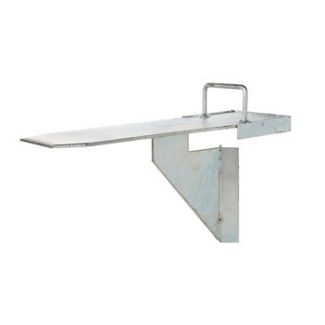
Fixed and adjustable U-heads sit on the prop to hold timber beams and bearers in place. The PropMate lintel support, known on site as a strongboy, adapts an adjustable steel prop to carry brickwork over a new opening.



Acrow props and push-pull props
The range divides by the direction of the load: a standard acrow prop stands vertically and carries weight straight down to the ground or slab, while a push-pull prop is fixed at a rake to hold something upright or in line.
Adjustable steel props (standard acrow props)
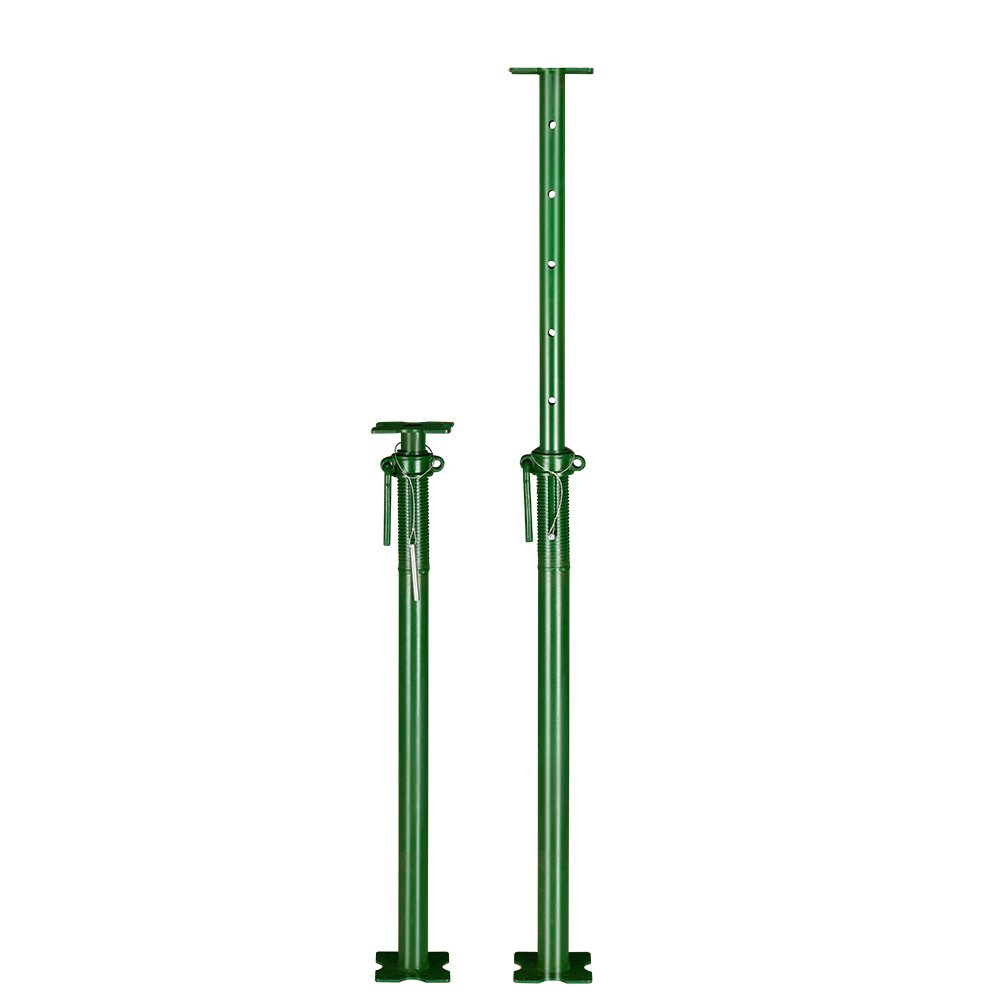
Adjustable steel props are what most of the trade means by an acrow: a telescopic steel prop with a plate at each end, set between the base and the load above it. Choose them to carry floors, ceilings, beams, lintels and walls wherever the load bears straight down, during alterations, repairs and new build.
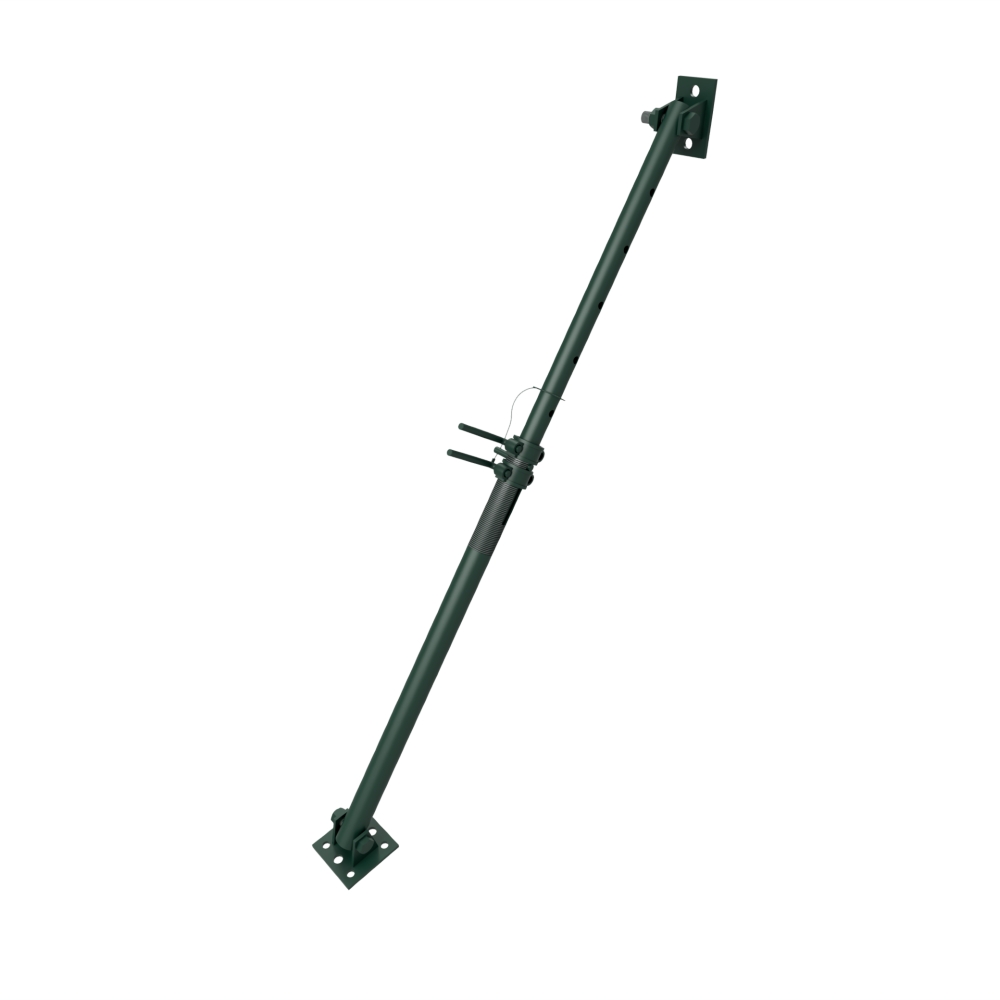
Push-pull props
Push-pull props are fixed at both ends, one end to the wall, panel or form and the other to a slab or ground anchor. Because they hold in tension as well as compression, they resist movement in either direction, and their adjustment brings a face plumb or into line. Choose them for wall bracing, tilt propping, formwork alignment, back propping and demolition support. A standard acrow prop is made for vertical load, so any job that means bracing something at an angle calls for push-pull props.
Acrow prop sizes 0 to 4
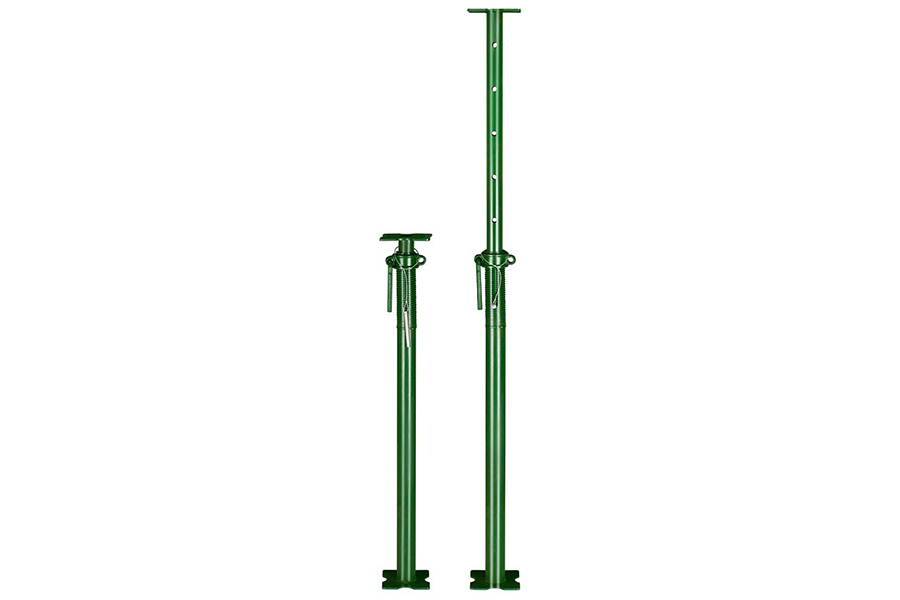
Both prop types are numbered from Size 0 to Size 4, and each size covers its own band of height. Standard props run from about 1.04 m closed on Size 0 to 4.88 m extended on Size 4.
To size a standard prop, measure from the floor or base to the soffit or underside of the load, then allow for the thickness of any sole plate, spreader or head fitting. Choose the size that reaches that height with adjustment to spare. A prop carries less as it extends, so a size working near the middle of its range is a better choice than a smaller one wound out to full extension. Size 0 is the small prop, known as a mini acrow, for low headroom such as door openings, low ceilings and the space under a suspended timber floor.
Push-pull props are sized by the distance between their two fixing points along the rake.
What acrow props are used for
Forming openings with strongboys
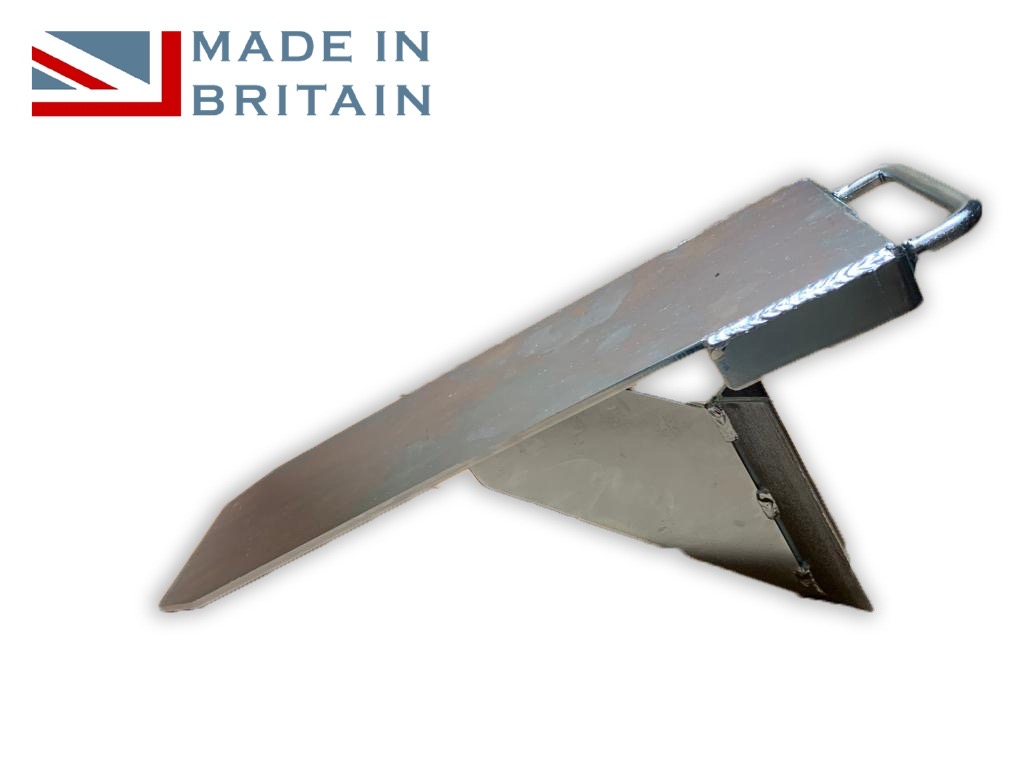
The PropMate strongboy lintel support fits on the head of an adjustable steel prop and has a blade that is inserted into the brickwork above the planned opening. Its offset lets the prop stand clear of the wall face, so the masonry above is carried while the wall below is cut out and the new lintel goes in.
Propping floors, ceilings and beams
Standard props carry floors, ceilings and beams during alterations, repairs and the fitting of steel beams. A timber spreader across the joists shares the load between props, and a U-head holds that bearer on the prop. The fixed and adjustable U-heads fit adjustable steel props or system scaffolding and are sized from 100 mm to 200 mm to suit the timber: a fixed head sits on the prop as it is, while an adjustable head adds height adjustment at the top for setting levels.
Formwork and falsework
Under slab and beam formwork, standard props with U-heads carry the bearers and the weight of wet concrete until the concrete can carry itself. Push-pull props hold wall and column forms plumb against the pressure of the pour.
Wall bracing, tilt propping and demolition support
Push-pull props hold freestanding walls, precast panels and retained facades upright, and support structure while it is taken down in sequence. The base fixing needs sound concrete or a ground anchor, and the head fixing goes into a part of the wall or panel that can take the force.
Using acrow props: spacing, bases and checks
How many props and how far apart
The number of props and their spacing depend on the load, the height, the size of prop and what the props stand on. They come from the temporary works design or the engineer for the job, never from a rule of thumb per metre.
Sole plates and bases
A prop delivers its load through a small base plate, so what it stands on matters as much as the prop. On soil or hardcore, it stands on a timber sole plate laid on firm, level, compacted ground. At a slab edge, the base stays back from the edge as far as the design requires, and the slab below is checked for the load, with props carried down through lower floors where needed.
Checks before a prop takes load
A prop takes load only once its base, alignment and parts have been checked:
- The base or sole plate is firm and level.
- The prop stands plumb.
- The correct pin is fully home through the inner tube.
- The threads, collar and tubes are free of bends, cracks and heavy corrosion.
- The collar is wound up until the head is tight to the load, without forcing it to lift the structure.
Props are rechecked after vibration, bad weather or nearby work that could disturb them.
Popular Categories

Builders Trestles
View Products >

Building Equipment
View Products >

Mortar Tubs and Mortar Bins
View Products >
Frequently Asked Questions
An acrow prop is an outer steel tube with an inner tube that slides inside it. The inner tube is pulled out to roughly the right height and held by a pin through one of its holes, with the pin resting on a threaded collar. Turning the collar raises the pin and inner tube the last short distance and brings the head tight against the load.
Acrow is the name of the company that made the adjustable steel prop widely known, and the trade has used it for any prop of that pattern since, whoever makes it. Acro props, acros, steel props and adjustable props all mean the same thing.
Props stay until the permanent structure can carry the load on its own, and the temporary works designer or engineer for the job decides when that is. Over a new opening it means the lintel is bedded and its padstones and mortar have gained enough strength. Under a slab it means the concrete has reached the strength the design calls for.
Once the permanent work is confirmed as carrying the load, each prop is released by turning the collar down so the load comes off gradually, never by knocking the prop out. Hold the inner tube while removing the pin, keep hands clear of the holes and lower the tube under control. On a run of props, release them in the order the design gives so no single prop or part of the structure picks up a sudden load.
Yes. Adjustable steel props are sold individually, so you can order the exact number and mix of sizes the temporary works design calls for. U-heads and strongboys are ordered separately to suit the job.
A strongboy is a lintel support that fits on the head of an adjustable steel prop. Its blade goes into the brickwork above a planned opening and carries the masonry while the wall below is cut out and the new lintel goes in. The PropMate lintel support is the strongboy in the range, and it is ordered separately from the prop.