







Retractable Belt Barriers
Retractable belt barriers and queue rope barriers from HERMEQ form orderly queues and close off areas for crowd control and site safety. They go up quickly, move as a layout changes and pack away when the job ends. They are used at event venues, airports, construction sites, warehouses and vehicle work areas. The range covers Tensabarrier retractable belt posts, the Skipper retractable belt barrier that fits on cones, posts, walls and racking, and rope barrier posts with ropes to match.






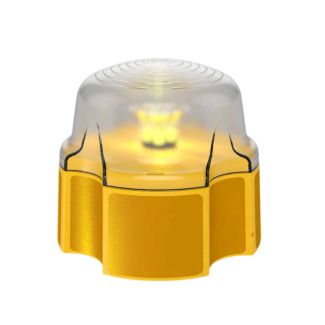
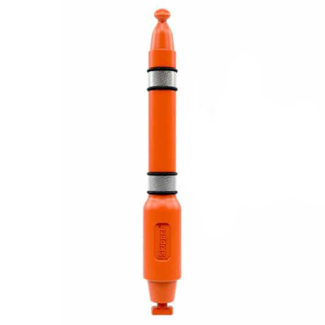
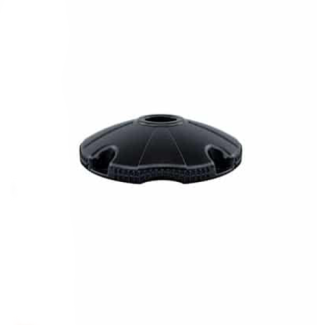

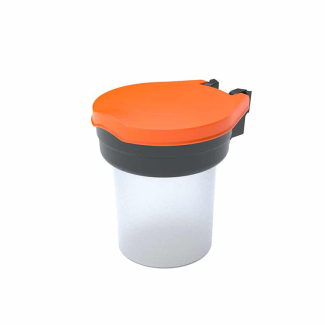
Retractable belt barriers, queue posts and rope barriers
Chrome and black metal queue posts
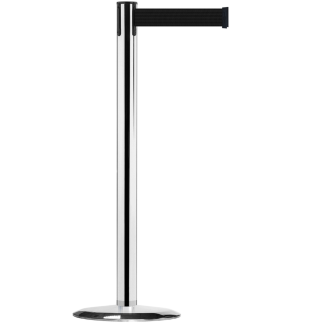
The Tensabarrier Advance queue posts are metal belt posts on a universal base, made for queue lanes that stay in place all day in front of the public. They are seen at close quarters, so the post has to sit well with the interior.
Plastic belt posts for industrial floors
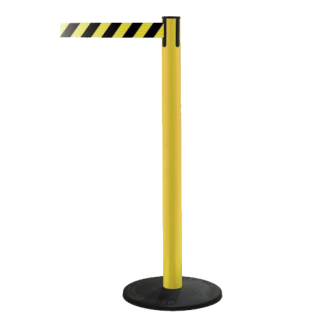
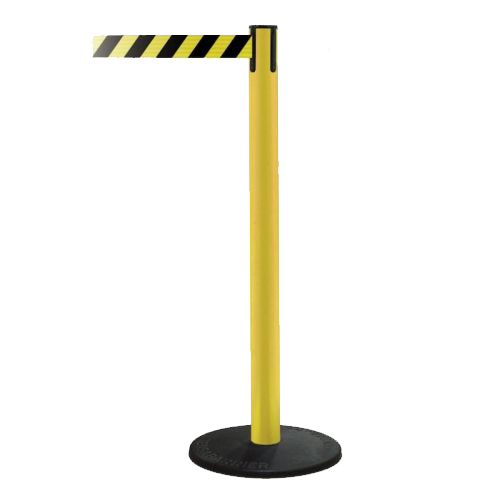
The Tensabarrier Popular plastic belt posts pair a plastic post with an anti-scuff base and a choice of plain or hi-vis chevron belts. Choose them for factories, warehouses, workshops and trade counters, where the barrier marks walkways and no-go areas inside a working building and a polished metal post would be out of place.
Outdoor and heavy duty belt posts
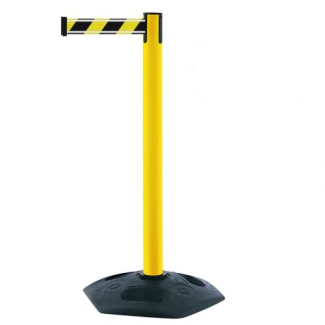
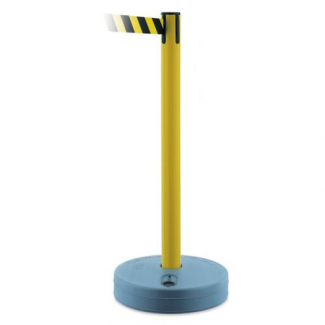
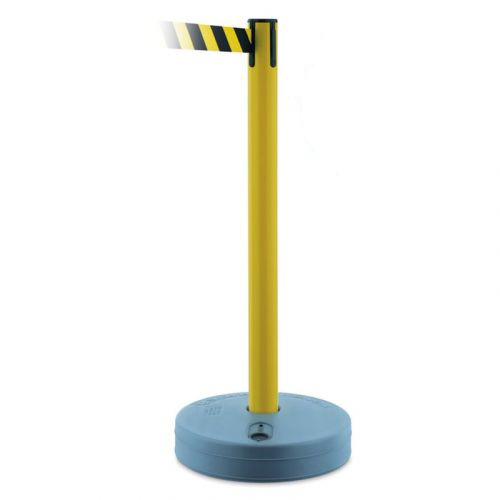
For car parks, forecourts, festival entrances and site welfare areas, the base is the first thing to choose. Tensabarrier Outdoor posts with a fillable base are carried in empty and filled with sand or water where they will stand. Tensabarrier Heavy Duty posts sit on a solid rubber base with carry handles and stack for storage, for crews that set up and strike the same layout again and again. Where a cordon stays out after dark, the NightView reflective belt posts carry reflective webbing that returns the light of headlights and torches.
Skipper cone-top and post and base barriers
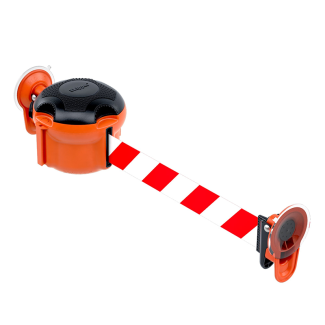
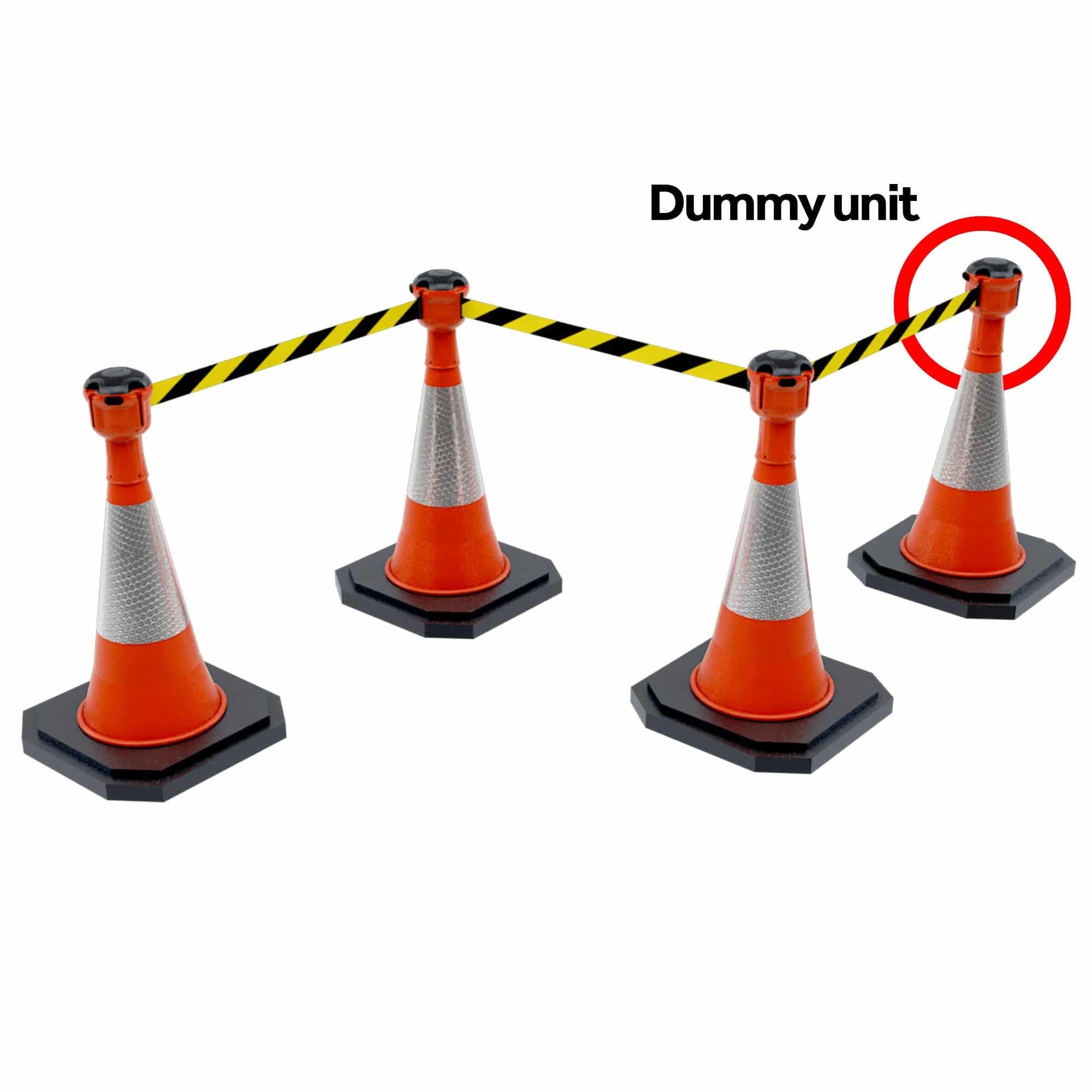
The Skipper retractable barrier is a compact tape unit that sits on top of a traffic cone, so a site that already has cones can turn any pair of them into a taped cordon. Each unit holds 9 m of high-visibility tape, with a locking button that stops the tape spooling out. On floors with no cone to hand, the Skipper post and base system gives the unit its own twist-lock post for indoor or outdoor use. For hotels, restaurants, banks and events, the premium retractable safety barrier is a post and base unit made from recycled materials, with its weight carried low in the post to resist tipping.
Wall mounted retractable belt barriers
A wall mounted retractable belt barrier fixes the tape unit to the building, for doorways, corridors, lift lobbies and aisles where a post would block the route it is meant to close. The wall mounted retractable barrier kit supplies the unit with its fixings, so one order covers one opening.
Retractable barrier kits for glass, scaffold and vehicles
Kits group a tape unit with the parts for one setting, which saves matching fixings one by one. The retractable safety barrier kits build a free-standing cordon in three sizes, and the warehouse retractable barrier kit is made up for warehouse doorways and aisles. A glass fixing kit suits shopfronts, glazed partitions and office screens. The scaffold retractable barrier kit fixes to scaffold tube, and the cord strap kit straps round pillars and trees. The vehicle safety retractable barrier kit cordons the space around a parked vehicle while it is repaired or loaded.
Rope barrier posts and ropes
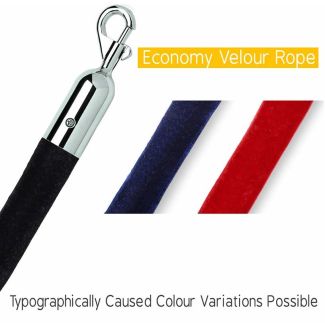
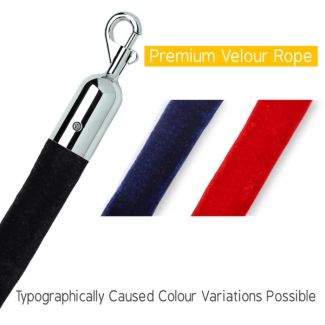
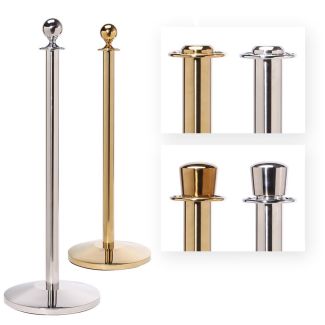
The rope barrier posts are steel stanchions for front-of-house areas where the barrier is part of the look, such as hotel entrances, galleries, showrooms, restaurants and VIP areas at events. The economy barrier rope suits everyday queue lines, and the premium VIP rope is a thicker rope for red carpet and entrance displays. Rope suits a slow, formal queue, since each length is unhooked and moved by hand.

Queue posts or long-reach retractable tape
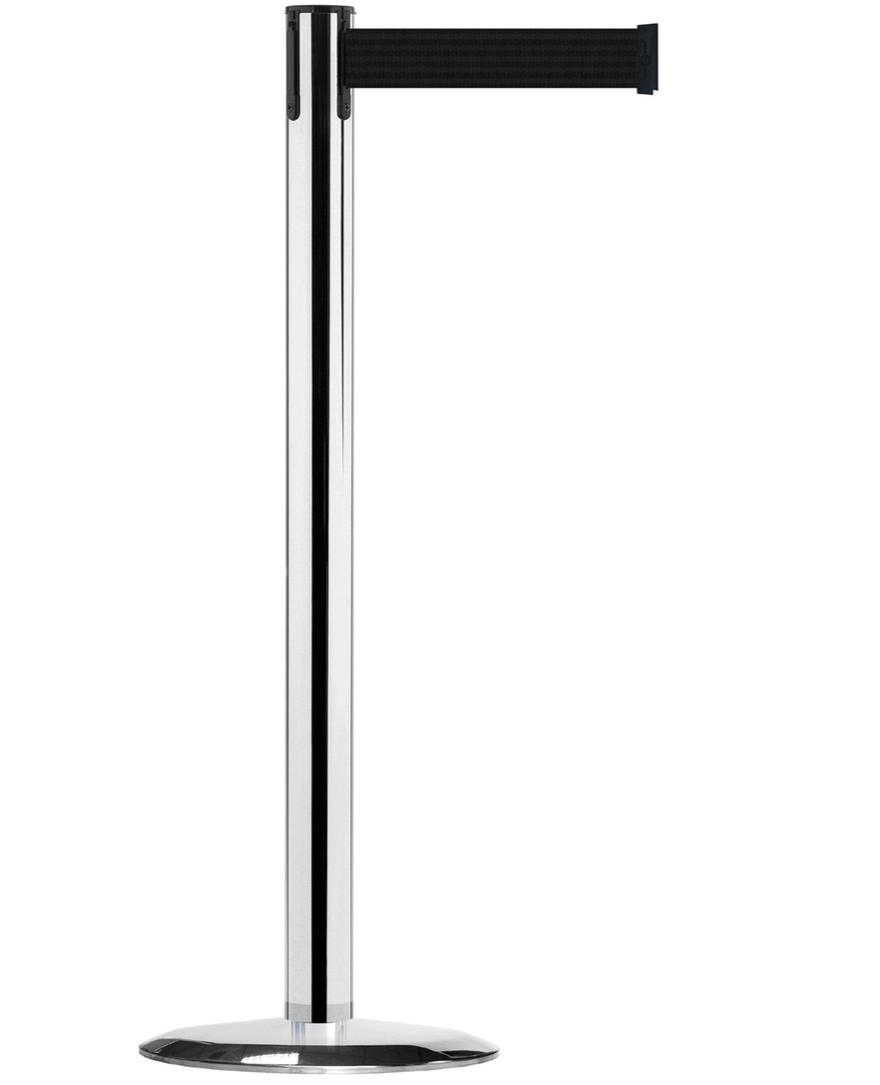
Post-to-post belt systems belong where people stand in line, and long-reach tape units belong where an area or an opening has to be closed. A Tensabarrier post carries its own belt, from 2.3 m on the shortest, and clips to the next post, so a lane is built from repeated posts and reshaped by moving them. A Skipper unit pulls out up to 9 m of tape to a receiver, a dummy unit or a wrap round a pillar, so two fixing points close a doorway, an aisle or a spill with no row of posts in between.
Where the job needs a rigid barrier or one that stops vehicles, another range does it. A rigid barrier that folds open across a gap is one of the expandable barriers, and a rising arm or gate at a car park entrance sits under parking and security barriers. Barriers that keep vehicles out are the Armco barriers and concrete barriers. For a vehicle barrier that can be emptied and moved, see the water filled road barriers.
Queue barriers, site cordons and warehouse safety
Queues at airports, venues and counters
A queue lane works when the turns leave room for luggage, buggies and wheelchairs and the exit is kept apart from the entry. Moving a single belt opens or closes a lane as demand rises and falls through the day, and a sign at the lane entrance tells people which line is theirs.
Cordons around work areas on site
A site cordon has to be seen from the direction people approach, so the tape colour and printed message count for more than the post. Inside buildings under fit-out, tape on cones marks off wet screed, painting, cleaning and small task areas.
Warehouses, loading bays and vehicle work areas
In warehouses the fixing comes first, because pallet trucks and forklifts move constantly across the floor where a post would stand. Magnetic fixings hold to steel racking and vehicle bodywork, screw fixings suit a doorway that is closed every day, and tape across an aisle end tells pickers to keep out of a section being replenished or inspected.
Belt colours, warnings and finishes
Belt colours and printed warnings
Red and white or yellow and black stripes are the safety colours for marking obstacles and danger areas under the Safety, Health and Welfare at Work (General Application) Regulations 2007, so a site uses them consistently and briefs staff on its code at induction. A workable code puts red and white tape on no-entry areas, black and yellow or CAUTION tape on areas to approach with care, and green and white on safe routes or first aid points. Chevron belts and the CAUTION DO NOT ENTER tape carry their warning in the tape itself, and plain or company colours suit queue lanes.
Post finishes for front-of-house areas
Front-of-house finishes follow the interior. Polished chrome sits well with glass and stainless fit-outs, and powder coated black suits darker or branded spaces.
Retractable barrier accessories
Receivers, dummy units and end points
A receiver is the far end of a Skipper tape. Dummy units are Skipper bodies with no tape, set on a cone or post where the cordon ends. The wall and magnetic receiver clips take the tape on a wall or a steel surface, and the suction pad receiver holds on glass and high gloss panels. The clamp receiver tightens onto door frames, worktops and racking, and cord strap clips loop a bungee cord round pillars, poles, trees and scaffolding.
Wall, magnetic and suction brackets
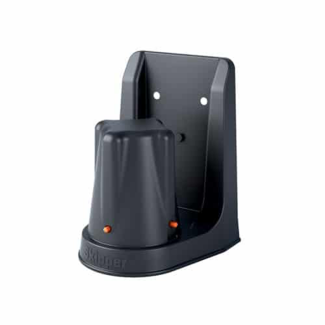
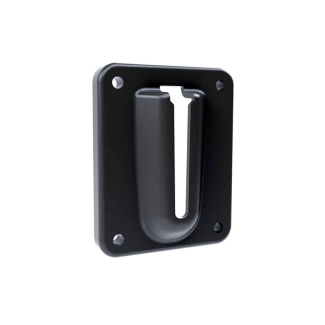
Brackets hold the tape unit itself where there is no cone or post. The wall and magnetic support brackets either screw in for permanent or semi-permanent use or hold magnetically to vehicles, shelving and other metal. The suction pad support bracket fixes to glass and high gloss surfaces and carries a full bin or dispenser.
Sign holders, bins and dispensers
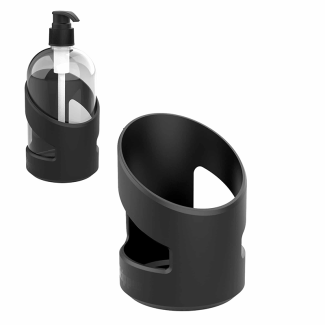
The post and base collar gives a post and base unit a mounting point for extras, and the A4 sign holder clips to a tape unit or dummy unit to show a warning, a direction or a notice. The mounted recycle bins and warehouse recycle bins come with stickers for each waste stream. The PPE safety dispenser holds ear plugs, safety glasses, hair nets and shoe covers. A sanitiser bracket carries a pump bottle of sanitiser or sunscreen at a site entrance or kitchen door.
Popular Categories

Crowd Control and Pedestrian Barriers
View Products >

Traffic Barriers
View Products >

Expandable Barriers
View Products >
Frequently Asked Questions
A belt or tape barrier marks a route and guides people. Between pedestrians and moving traffic, choose crash tested water filled barriers or concrete barriers. Belt barriers do have a place around parked vehicles, where a magnetic or vehicle kit cordon marks the work zone round a van or lorry under repair or loading.
Rope barrier posts are sold without rope. The economy or premium rope is ordered separately, in the length and snap end finish that suit the run.
Yes, for queues at ticket desks, entrances, bars, cloakrooms and accreditation points, where people wait in line and follow a lane. A belt or rope will not hold back a crowd that is pushing, so festival perimeters, pinch points and the area in front of a stage need rigid steel crowd control barriers or stage barriers.
A belt barrier can mark the edge of a short-term exclusion zone, such as the area below overhead work or round a delivery being unloaded, so that people see the boundary and walk round it. Where the hazard is a fall from an edge or into an excavation, a marker is not enough, and a rigid barrier or fencing is the right choice.
Temporary traffic management at roadworks is planned and laid out under Chapter 8 of the Department of Transport's Traffic Signs Manual. Retractable belt barriers are not part of that layout on the live road. They are used inside a works compound, at welfare cabins or around stored materials away from traffic, and the road side is equipped from the traffic barriers and cones range.