







Site Storage Boxes
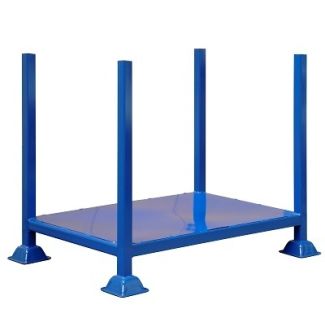
HERMEQ site storage boxes are lockable stores that keep tools, equipment, fuel and chemicals secure on site between shifts. Tuffbank site security boxes come in a choice of sizes, and the van tool storage box secures equipment left inside a vehicle. For fuel and chemicals, the range includes the hazardous substances storage box, the chemical storage and security chest and the modular chemical storage unit, each built for flammables and hazardous substances. Walk-in tool stores take a whole site's kit, lockable work stations add a worktop over storage, and steel cages hold gas bottles. Post pallets, fitting bins and pallet cages for loose materials are under stillages, bins and cages.


Site tool boxes, van boxes and walk-in stores
Tool storage in the range runs from a box that fits inside a van to walk-in units around four metres long, and the right format follows how much kit is kept and how often it moves.
Tuffbank site security boxes
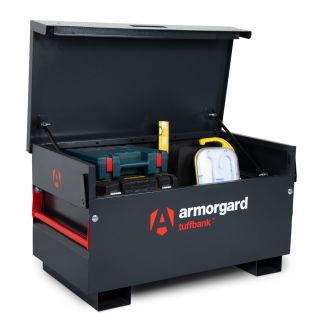
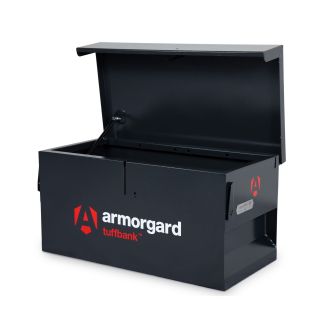
The Tuffbank site security boxes are lockable chests for one trade's power tools, hand tools and consumables, kept in a cabin, container or compound between shifts. They come in three sizes from 765mm to 1275mm long, so a small box can follow a fitter from job to job while a larger chest holds the kit for a gang working on the same site for months.
Van tool storage box
The van tool storage box is a Tuffbank box made to secure tools inside a vehicle. Choose it for service and maintenance work spread across several sites in a week, where the van is the store.
Walk-in tool and equipment stores
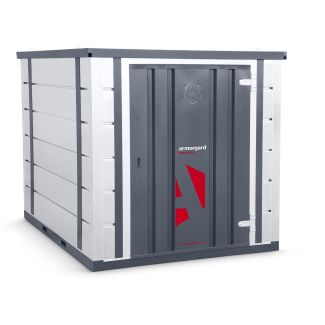
Once a site's kit outgrows a row of chests, a walk-in tool and equipment store holds it in one locked room. The units are modular, assemble on site, lock with 5-lever deadlocks and come in a choice of lengths, so a main contractor can keep power tools, small plant and consumables for every trade in one place and issue them from the door.
Lockable work stations and the mobile cutting station
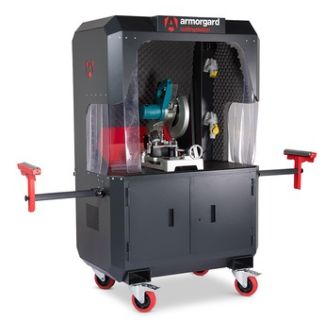
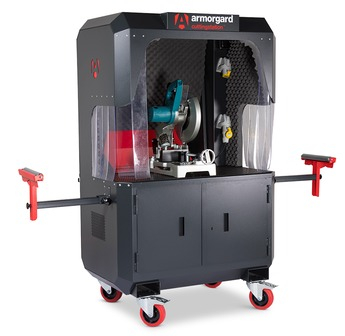
Some storage doubles as a work point. A lockable work station gives a standing worktop over shelved storage behind locking doors, and the open front work station is the same format without doors, for tools that are picked up and put down all day. The PPE work station keeps hard hats, gloves and eye protection in one controlled place at the site entrance or welfare unit. On a site where floor space is short, the mobile cutting station removes the need for a separate cutting room.

Chemical and fuel storage: cabinets, chests and cages
Fuel, oil and chemicals have their own stores in the range, chosen by the containers they hold and by whether the store needs fire resistance, ventilation or chemical compatibility. The full choice is under chemical and hazardous substance storage.
Hazardous substance boxes and chemical chests
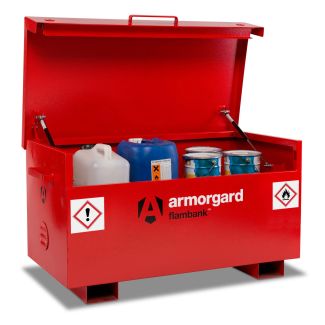
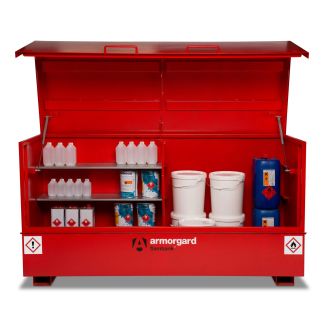
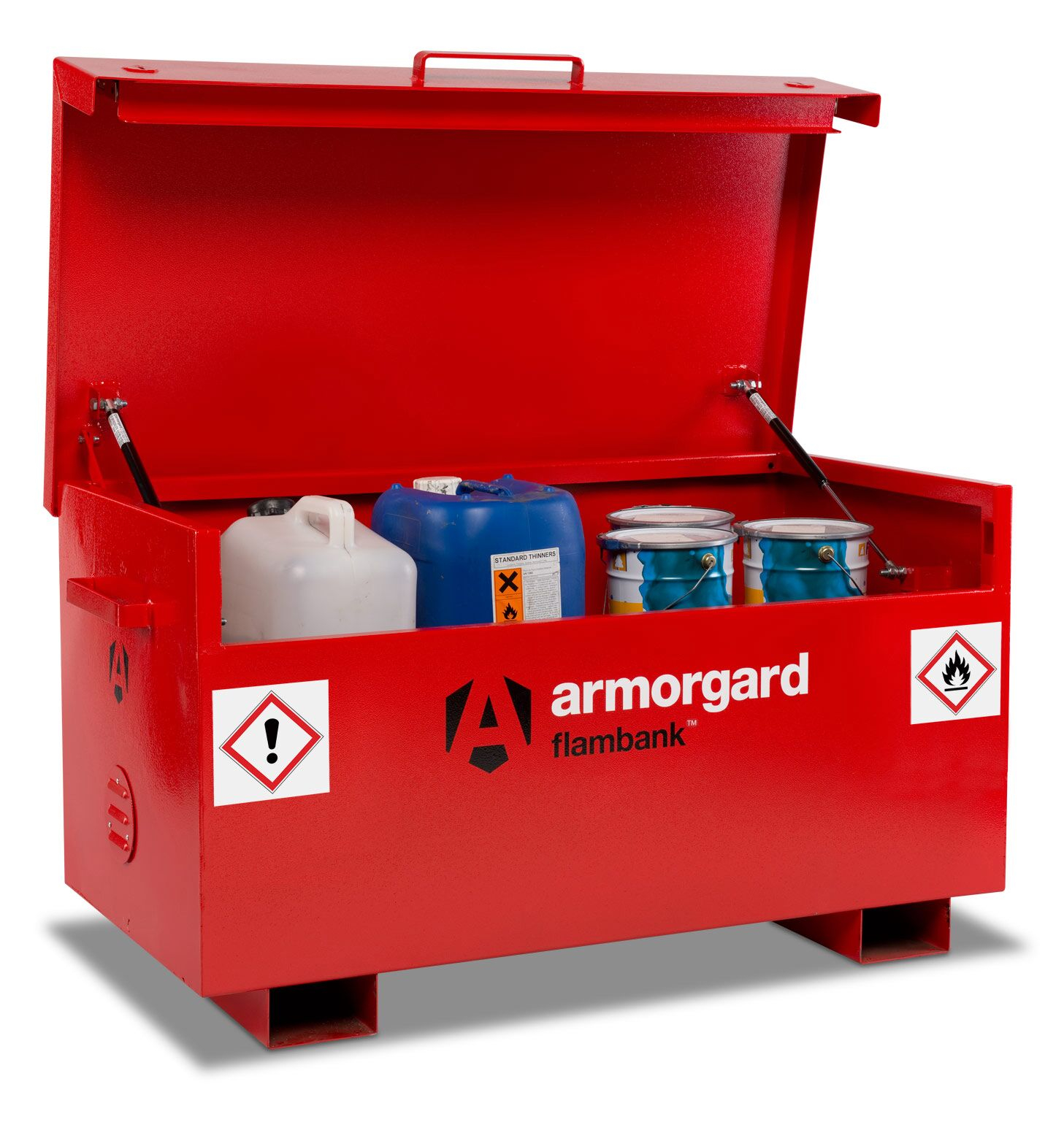
The hazardous substances storage box is a lockable chest for the flammables and chemicals a trade uses day to day, such as tins of solvent, aerosols and fuel cans for small plant. The chemical storage chest is the larger format, in sizes up to a chest for a site's whole stock of paints, adhesives and cleaning chemicals.
Steel cabinets with sumps for drums and IBCs
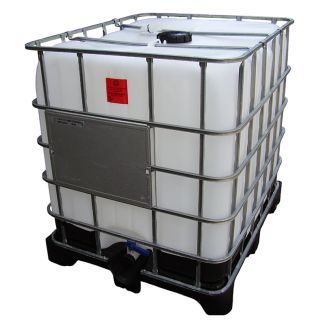
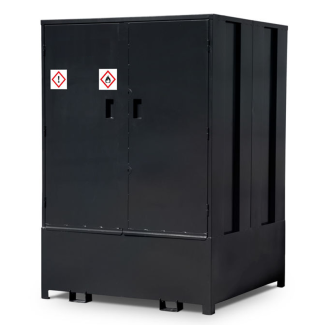
Drums, IBCs and jerry cans of fuel and oil go in a steel cabinet with a built-in sump. The steel storage cabinet with sump is powder coated, fire resistant for up to 30 minutes and locked with 5-lever deadlocks, so it protects fuel from theft and from fire, and it comes in two sump sizes. For large sites, the heavy duty steel chemical cabinet holds up to 1110 litres of oil drums or an IBC behind wide doors, with a removable steel grid floor for loading.
Ventilated chemical storage cage
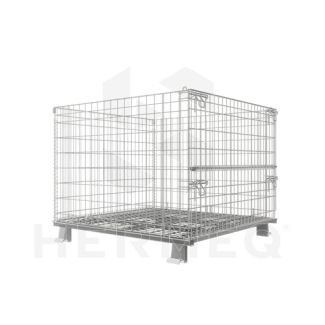
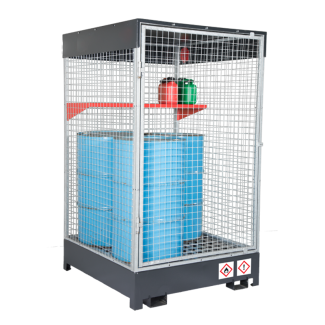
Where gas cylinders or liquids need air moving around them, the chemical storage cage holds them behind galvanised steel mesh over a fully welded sump with removable grated flooring. It collapses and stacks when it is not in use, which suits sites that need ventilated storage for one phase of the job.
Polyethylene chemical cabinets
The polyethylene chemical cabinets are rotationally moulded and lockable, with shelves or space for a single upright drum over a bund. Polyethylene is compatible with a broad range of chemicals, so these cabinets suit workshops, plant rooms and facilities stores where a wide mix of products is kept. Where the contents are flammable and the store needs fire resistance, choose one of the steel cabinets with sumps.
Walk-in modular chemical stores
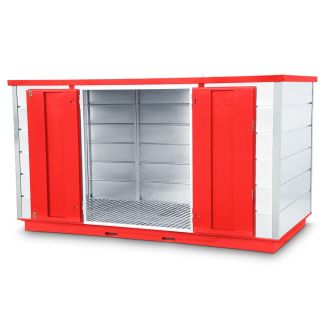
For bulk storage, the modular chemical storage unit is a walk-in store that arrives flat packed and assembles quickly on site. It keeps a site's full stock of fuel, oils and chemicals in one building, in a length matched to the size of the job.
Tool vault or hazardous substance box
The choice comes down to what goes inside. The Tuffbank tool vault and the hazardous substances storage box are made in matching footprints, so the two look alike in a compound, and a buyer choosing by size alone can end up with the wrong one. The Tuffbank is built to secure tools and equipment against theft. The hazardous substances box is built for flammables and hazardous chemicals, so petrol for saws and generators, two-stroke oil, solvents, paints and aerosols belong in it. Keeping the two apart keeps fuel vapour and spilt oil away from power tools and their batteries.
Site box sizes, handling and siting
Sizing storage to the trade and the kit
Storage is sized to the kit it holds first, then to the people who use it. One tradesperson's hand tools and a few power tools fit a small site box, and the longest item, such as a spirit level, a stillson or a length of pipe, sets the minimum box length. A gang sharing storage needs a large chest or several boxes, one per trade, so that each trade keeps its own key.
Moving and siting a loaded store
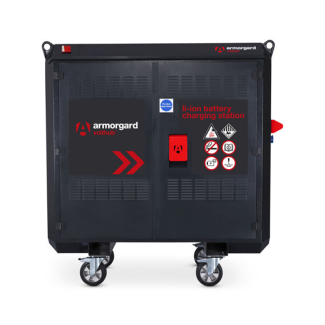
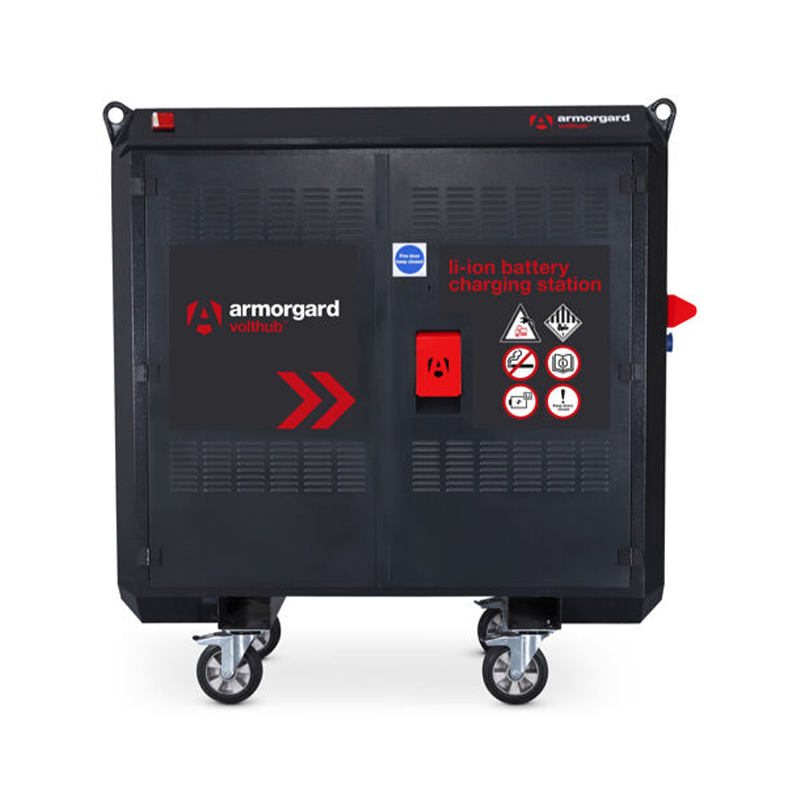
Heavy stores are moved by machine. The heavy duty cabinet has forklift skids and the chemical storage cage has forklift pockets, so either can be repositioned as the compound changes, provided a forklift or telehandler can reach it. Before ordering, plan a place for each store on level, firm hardstanding inside the site compound, with a clear route for the lorry or machine that delivers it and room for the doors to open fully. Hazardous stores, and the lithium-ion battery storage unit where power tool batteries are charged, sit away from site cabins, welfare units, hot work and other ignition sources, with clear signs on the door.
Gas bottle cages, sump pallets and lifting crates
Gas bottle and gas cylinder cages
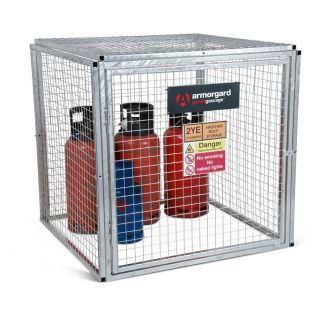
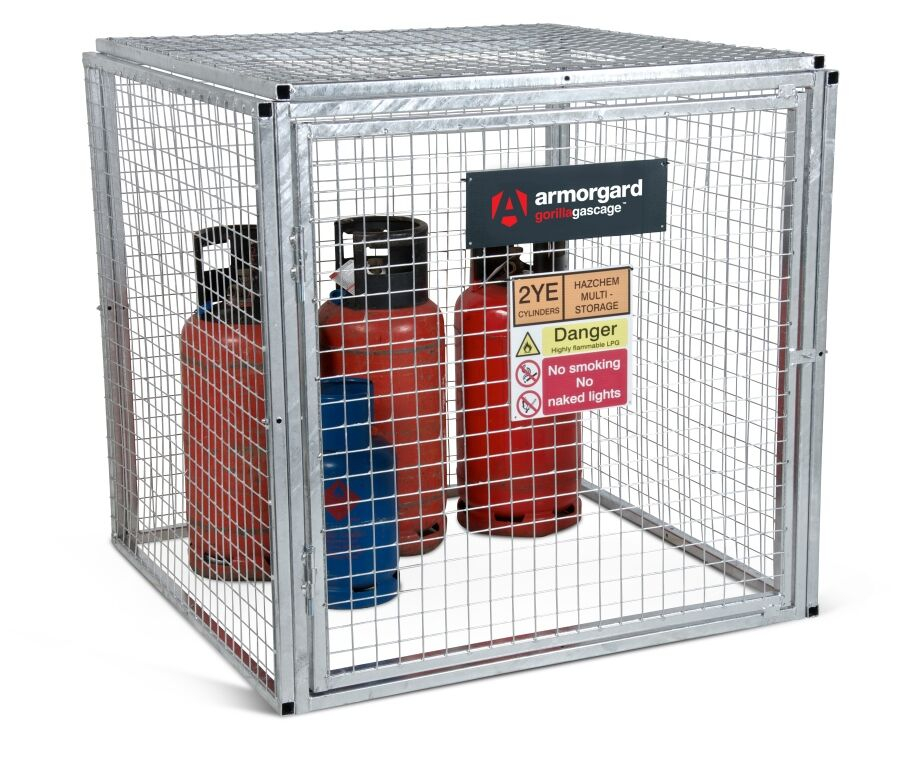
Gas bottles for heaters, roofing torches and welding sets are kept upright in a ventilated cage outdoors. The galvanised gas bottle storage cages come with safety signage attached and a padlock point, and the gas cylinder cages are made in hot dip galvanised or black powder coated steel, in a choice of sizes.
Sump pallets and drum stillages
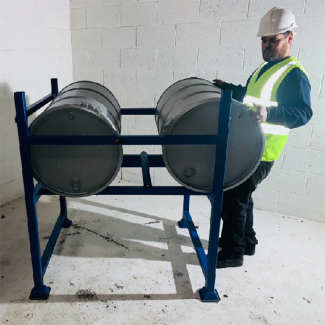
Sump pallets are the open alternative to a cabinet for drums that are decanted every day, taking two or four drums, with forklift pockets and warning signage on the pallet. An IBC goes on an IBC spill pallet from the drum and IBC spill containment range. A stackable drum stillage racks oil drums with removable side braces and stacks to save floor space.
Forklift and crane lifting crates
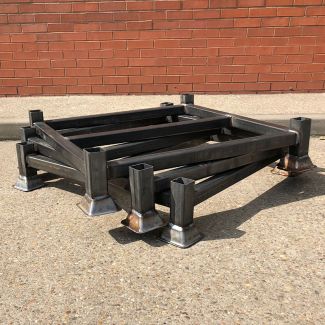
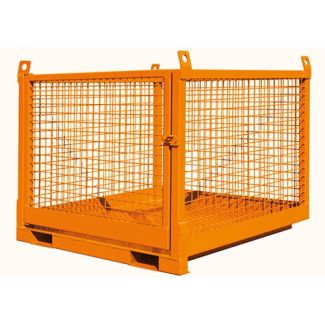
Where tools and materials have to go up to an upper floor or loading bay, a forklift and crane lifting crate stores them at ground level and lifts them in one locked load, with crane lifting eyes and full width doors. Solid steel crane lift goods cages carry loose materials and equipment around the site by crane or forklift.
Popular Categories

Stillages, Bins & Cages
View Products >

IBC Containers & Steel Drums
View Products >

Wire Mesh Pallet Cages
View Products >
Frequently Asked Questions
A site box is a lockable chest that keeps tools and equipment secure on site, and the trade knows it by several names: site safe, site vault, site security box, site lock box, job box, job site tool box, tool vault and tool security box. The names describe the same type of store, sized from a box for one trade to a chest for a whole gang.
Lithium-ion power tool batteries are better kept in a dedicated store than loose in a site box among tools and packaging. HERMEQ supplies a wheeled lithium-ion battery storage unit built for charging and storing batteries, designed to reduce the risk of a battery fire and to extend battery life.
Standard site practice is to keep drums and IBCs of fuel and oil over a sump or bund, so that a leak, a split container or a spill while decanting is held instead of reaching the ground or a drain. The sumped steel cabinets, the chemical storage cage and the sump pallets in the range all hold containers over a sump.
On most construction projects, the client appoints a project supervisor for the design process (PSDP) and a project supervisor for the construction stage (PSCS) under the Safety, Health and Welfare at Work (Construction) Regulations 2013. In practice, the PSDP prepares the preliminary safety and health plan, and the PSCS develops it and co-ordinates the site, including the compound layout, storage areas and where fuel and chemicals are kept. Contractors agree the position of their own site boxes and hazardous stores with the PSCS before delivery.
A site box stands in a cabin, container or compound and holds tools that stay on site between shifts. A van box is shaped to fit inside a vehicle, for tools that travel with the trade and are left in the van overnight or between jobs.